




Featured News Headlines
- 1 What is Ripple (XRP)?
- 2 What is Ripple (XRP)? How Does It Differ from Bitcoin and Ethereum?
- 3 The Foundations of Ripple’s Technology: What System Is It Built On?
- 4 The Functions and Use Cases of XRP
- 5 The Future of Ripple and Its Place in the Financial World
- 6 How to Invest in Ripple (XRP)
- 7 Is Ripple (XRP) Shaping the Future of Finance?
What is Ripple (XRP)?
The financial world is rapidly changing, largely due to the influence of technology. A key player in this transformation is cryptocurrency. The revolution that started with Bitcoin has opened the door to new solutions that make financial transactions much faster, more transparent, and more affordable. One such solution is Ripple. However, Ripple takes a different approach than other cryptocurrencies. So, what exactly is Ripple, and how does it aim to transform the financial world?
In this guide, we’ll delve deep into what Ripple is, its core principles, how it works, what sets it apart from other cryptocurrencies, and its future role in the financial world.
What is Ripple (XRP)? How Does It Differ from Bitcoin and Ethereum?
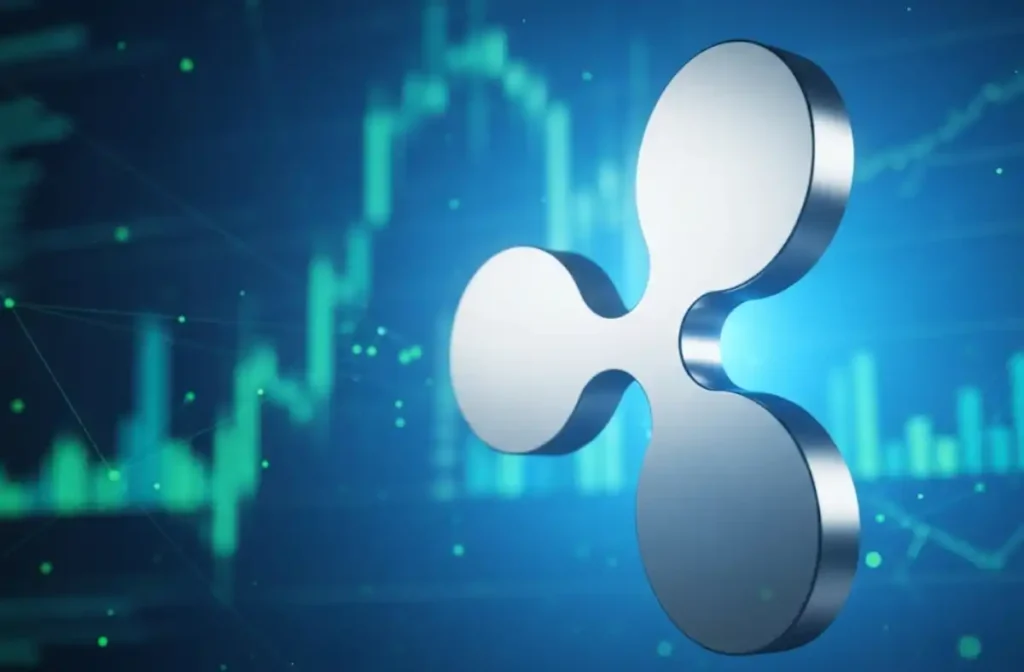
First, let’s clarify the distinction between Ripple and XRP. Ripple Labs is the company that developed and manages the Ripple protocol. XRP, on the other hand, is the native cryptocurrency of this protocol. So, while Ripple is a company and a technology network, XRP is the digital asset used on this network. This distinction indicates that Ripple has a more corporate structure rather than a decentralised one.
Unlike traditional cryptocurrencies like Bitcoin and Ethereum, Ripple aims to collaborate with the existing financial system’s players, such as banks and financial institutions. While Bitcoin aims to be a completely decentralised currency, Ripple’s goal is to make the current financial infrastructure more efficient. It seeks to provide an alternative to older, slower international money transfer systems like SWIFT, enabling cross-border payments in seconds and at a very low cost.




The Foundations of Ripple’s Technology: What System Is It Built On?
At its core, Ripple relies on a network called RippleNet. This network allows financial institutions to transfer money directly and securely with each other. So, how do these transfers happen?
Instead of using energy-intensive consensus mechanisms like Proof of Work or Proof of Stake, Ripple uses its own consensus algorithm called the Ripple Protocol Consensus Algorithm (RPCA). This algorithm is based on trusted nodes (servers) on the network coming together to validate transactions. This method allows transactions to be completed much faster and more energy-efficiently.
The consensus mechanism used by Ripple ensures that all participants on the network agree on the same list of transactions. Each node maintains a Unique Node List (UNL) of the nodes it considers trustworthy. When a majority of the nodes in the UNL agree on the validity of a transaction, it is approved and added to the ledger. This system makes it possible for transfers to be completed in a record time of 3-5 seconds.
The Functions and Use Cases of XRP
XRP has multiple functions within the RippleNet ecosystem.
- Bridging Currency: XRP is used as a bridge currency in international money transfers. For example, when one bank wants to send US dollars to another using Japanese yen, it can do so by first converting the Japanese yen to XRP and then converting the XRP to US dollars, rather than making a direct transfer. This eliminates currency exchange transactions, reducing costs and increasing speed.
- Transaction Fees: A small amount of XRP is burned with each transaction to prevent spam attacks on the network. This not only secures the network but also contributes to XRP being a deflationary asset.
- Liquidity Provision: By holding XRP, financial institutions can have a fast and cheap source of liquidity for international payments.
The Future of Ripple and Its Place in the Financial World
Ripple’s biggest advantage is its goal of integrating with the existing financial system. While traditional payment systems like SWIFT have slow and costly processes, Ripple offers a modern solution to these problems. The company is steadily advancing towards this goal by forging partnerships with hundreds of banks and financial institutions worldwide.
However, one of the biggest challenges Ripple has faced was its legal battle with the U.S. Securities and Exchange Commission (SEC). The SEC claimed that XRP was an unregistered security. This lawsuit was of critical importance for Ripple’s future, and its outcome could have affected the entire cryptocurrency market. The ruling in favour of Ripple was a significant turning point that paved the way for the company and XRP.
In the future, Ripple could play an important role not only in money transfers but also in areas like central bank digital currencies (CBDCs). Ripple Labs is collaborating with several central banks on CBDC projects, which could further solidify the company’s place in financial infrastructure.
How to Invest in Ripple (XRP)
For those looking to invest in XRP, there are a few options available. The most common method is to buy it through a cryptocurrency exchange. You can find XRP on major exchanges like Binance, Kraken, and Coinbase.
Things to consider before investing:
- Do Your Research: Cryptocurrencies are high-risk assets. Do not invest without doing your own research.
- Reputable Exchanges: Use only reputable and trustworthy exchanges.
- Wallet Security: It is recommended that you transfer the XRP you buy from the exchange to a more secure hardware wallet or a reliable mobile/desktop wallet.
Is Ripple (XRP) Shaping the Future of Finance?
Ripple is a project that proves cryptocurrencies are not just speculative tools but can also offer concrete solutions to real-world problems. Its prioritisation of collaboration with the existing financial system over decentralisation is the most significant feature that sets it apart from Bitcoin and Ethereum.
Thanks to its advantages in speed, low cost, and scalability, Ripple is likely to become a serious competitor to established systems like SWIFT in the international payments market. With the company overcoming its legal issues and deepening its partnerships with banks, XRP has a high potential to become an indispensable part of the financial world in the future. However, as with any cryptocurrency, it’s important to analyse the risks carefully and make decisions that align with individual financial goals before investing in XRP.

























Comments are closed.