




Featured News Headlines
What is Loopring (LRC)?
The world of cryptocurrency is undergoing a revolutionary transformation, driven by the rise of decentralised finance (DeFi). However, one of the biggest obstacles to this revolution has been the scalability issues faced by popular blockchain networks like Ethereum. High transaction fees and slow processing speeds have made it challenging for DeFi to reach a wider audience. This is precisely where Loopring (LRC) comes in, offering a groundbreaking solution to these very problems. But what exactly is Loopring, and why does it hold such a significant position in the world of decentralised finance?
In this comprehensive guide, we will delve deep into what Loopring is, how it operates, the advantages it offers, and the critical role played by the LRC token within its ecosystem.
What is Loopring (LRC)?
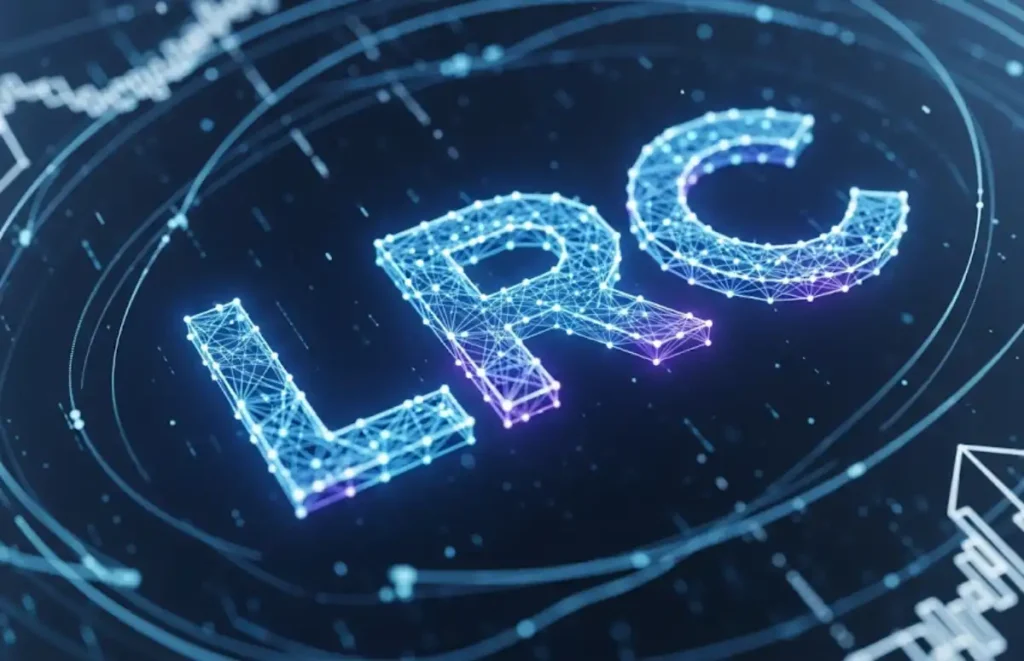
Loopring is a Layer 2 scaling protocol built on the Ethereum blockchain. Its primary objective is to solve the issues faced by decentralised exchanges (DEXs), allowing users to trade their crypto assets quickly, securely, and at a low cost. Traditional DEXs are slow and expensive because they have to write every single transaction directly onto the Ethereum mainnet (Layer 1). Loopring, on the other hand, performs the majority of these transactions on Layer 2, thereby easing the load on the main network and dramatically boosting its performance.
Loopring’s most distinctive feature is its use of an innovative technology called zkRollup (Zero-Knowledge Rollup). This technology aggregates thousands of transactions, compresses them into a single batch, and then sends this package to the Ethereum mainnet. As a result, network traffic is reduced, transaction costs plummet, and speed increases exponentially. Loopring can, therefore, achieve a capacity of thousands of transactions per second.




How Does Loopring Work? A Detailed Look
A deeper understanding of the zkRollup technology at the heart of the Loopring protocol will help us grasp why Loopring is so effective. Traditionally, when you want to make a trade, that transaction is written directly onto the blockchain and verified by all network nodes. This process is both time-consuming and costly.
Loopring completely changes this process:
- Transaction Aggregation: Users submit their trade orders to Loopring. These orders are not immediately sent to the Ethereum mainnet. Instead, thousands of orders are gathered together for a “rollup” process.
- Compression and Proof Generation: The aggregated transactions are compressed using a mathematical method known as a zero-knowledge proof. This proof validates that the transactions are legitimate without revealing all the specific details. This allows Loopring to maintain both privacy and security simultaneously.
- Writing as a Single Transaction: This generated “proof” is sent to the Ethereum mainnet as a single transaction. This means that instead of thousands of individual transactions, only one is processed. This single transaction is then verified by all nodes on the Ethereum network and is permanently recorded on the blockchain.
Thanks to this process, users can trade at high speeds and with almost zero transaction fees, all while their assets remain secure under the protection of the Ethereum blockchain. This is because the validity of all transactions is ultimately verified on the Ethereum mainnet.
Key Advantages of Loopring
A number of key features set Loopring apart from other DeFi protocols and make it a standout choice:
- High Speed and Scalability: Its biggest advantage is the ability to process thousands of trades per second. This positions it as a genuine competitor to traditional centralised exchanges (CEXs).
- Low Cost: Processing transactions in batches significantly reduces the cost per transaction. This makes a huge difference, especially for smaller-scale investors.
- Decentralisation and Security: Users always retain control of their funds. Assets are not handed over to a centralised third party. With zkRollup technology, assets remain under the robust security of the Ethereum blockchain.
- Complete Cryptographic Security: Loopring is a system verified through mathematical and cryptographic methods. This makes it nearly impossible for malicious actors to interfere with the system.
- Support for Both Automated Market Makers (AMM) and Order Books: Loopring simultaneously supports both AMM-based liquidity pools (like Uniswap) and the traditional order book model found in centralised exchanges like Binance. This hybrid structure increases liquidity and offers users better prices.
The Role of the Loopring (LRC) Token in the Ecosystem
LRC, the native cryptocurrency of the Loopring protocol, plays a vital role in the functioning of its ecosystem. The main functions of the LRC token include:
- Governance: LRC holders can vote on decisions regarding the future of the protocol. This ensures that the platform is governed entirely by its community.
- Staking: Users who stake their LRC tokens can receive a share of the transaction fees collected by the protocol. This offers token holders the opportunity to earn passive income and enhances the security of the ecosystem.
- Security: Developers who want to launch a new Loopring Rollup are required to lock up a certain amount of LRC tokens as “insurance”. This acts as an incentive to prevent malicious behaviour.
In short, the LRC token is not merely a medium of exchange; it is the lifeblood of the Loopring ecosystem. As the protocol’s growth and usage increase, so too does the value and importance of the LRC token.
Loopring’s Use Cases and Products
The Loopring protocol is not just a technology layer; it also hosts various products built upon this technology:
- The Loopring Smart Wallet: An easy-to-use wallet application that allows users to securely store their funds and transact directly on Layer 2.
- NFT Marketplace: Loopring’s high speed and low costs make it an ideal environment for trading and minting NFTs. Users can buy and sell NFTs for a near-zero cost.
- Decentralised Exchange (DEX): Loopring enables users to trade their cryptocurrencies directly through its own DEX.
What Makes Loopring Unique? A Comparison with Rivals
The crypto world is home to many Layer 2 solutions, with the most popular ones including Polygon, Arbitrum, and Optimism. However, the most significant difference that sets Loopring apart from these rivals is its exclusive focus on zkRollup technology.
- Loopring vs. Optimistic Rollups (Arbitrum, Optimism): Optimistic Rollups assume that transactions are valid and only impose a penalty if someone provides a fraud proof. This creates an additional delay (usually 7 days) for a transaction to be finalised. Loopring’s zkRollups, on the other hand, instantly verify transactions off-chain and immediately send the security proof to the Ethereum mainnet. This provides higher security and faster finality.
- Loopring vs. Polygon: Polygon operates as a “sidechain” with its own independent blockchain. This means it has a security model that is independent of Ethereum. Loopring, by contrast, is fully integrated with the Ethereum blockchain and directly benefits from Ethereum’s robust security framework.
The Future of Loopring
Loopring is leading the way in solving a fundamental problem of decentralised finance, helping to make DeFi faster, cheaper, and more accessible. In the future, the project’s role in the NFT market is expected to grow, with the ecosystem expanding through more partnerships and integrations. The main goal of the project is to bring decentralised and secure financial services, which allow users to control their crypto assets, to the masses.
Loopring (LRC) is not just a cryptocurrency but also a scalable and secure infrastructure project that forms the foundation of decentralised finance. As blockchain technology matures, Layer 2 solutions like Loopring will continue to shape the future of the crypto ecosystem.




















Comments are closed.