




Featured News Headlines
- 1 What is Green Satoshi Token (GST)?
- 2 The Genesis of GST: The STEPN Ecosystem
- 3 Core Functions and Use Cases of GST
- 4 Technical Specifications and Different Versions of GST
- 5 What Determines the Value of GST?
- 6 The Difference Between GST and GMT
- 7 The Future of GST and Potential Risks
- 8 GST is More Than Just a Cryptocurrency, It’s a Philosophy
What is Green Satoshi Token (GST)?
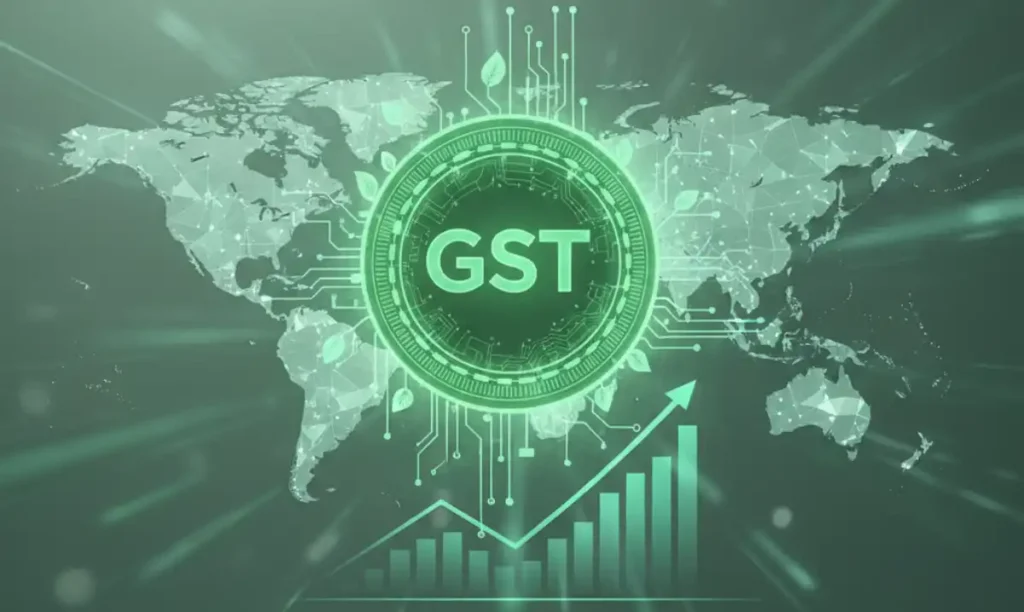
The Green Satoshi Token (GST) is the core utility token of STEPN, a pioneering platform within the world of cryptocurrencies that has introduced the groundbreaking ‘move-to-earn’ model. In short, GST is a cryptocurrency that users earn by engaging in physical activity, specifically walking, jogging, or running. In this guide, we’ll delve into what GST is, how it works, its role within the ecosystem, and its future.
The Genesis of GST: The STEPN Ecosystem
To understand GST, we must first grasp its origin: STEPN. STEPN is a Web3 lifestyle application that operates on blockchain networks such as Solana and BNB Chain. The application’s main goal is to encourage people to be more active by rewarding them with cryptocurrency. This model has garnered significant attention by blending a healthy lifestyle with the economic opportunities offered by blockchain technology.
After downloading the STEPN app, users purchase an NFT (Non-Fungible Token) sneaker. These sneakers are the key to earning in the game. Each NFT sneaker has unique attributes:
- Efficiency: Determines how much GST is earned during walking and running.
- Luck: Increases the chance and quality of mystery boxes dropping.
- Comfort: Affects the GST earning rate and durability repair.
- Resilience: Reduces the sneaker’s durability decay and repair costs.
These attributes directly influence the GST earning potential, making the choice of sneaker a strategic decision.





Core Functions and Use Cases of GST
GST is the lifeblood of the STEPN ecosystem and serves several fundamental functions. These functions create continuous demand for the token, helping to maintain its value.
1. Earning
The most basic function is that users earn GST by walking or running. The app uses a user’s GPS data to verify movement and rewards a specific amount of GST for every certain distance covered. The amount of GST earned depends on the NFT sneaker’s efficiency level and the user’s speed.
2. Upgrading and Repairing
Users must spend GST to level up their NFT sneakers. Upgrading a sneaker improves its attributes (especially efficiency) and offers the potential to earn more GST. Similarly, sneakers lose durability as they are used, and GST is required to repair this durability. This mechanism helps to combat inflation by taking GST out of circulation.
3. Minting New Sneakers
Creating new NFT sneakers in STEPN is called ‘minting’. This process involves combining two existing NFT sneakers and requires spending a certain amount of GST (and in some cases, GMT). Minting allows new users to join the ecosystem and is one of the largest GST burning mechanisms.
4. Unlocking Gem Sockets
NFT sneakers have sockets where users can slot in specific gems to gain additional attributes. Unlocking these sockets also requires a GST expenditure. Gems can enhance the sneaker’s efficiency, luck, or comfort.
5. Trading
The GST earned can be traded directly on cryptocurrency exchanges. Users can sell their GST to convert it into other cryptocurrencies or fiat currencies (USD, EUR, etc.). This gives GST a financial value and liquidity.
Technical Specifications and Different Versions of GST
Since STEPN operates on multiple blockchains, there are different versions of GST. The most common ones are:
- GST-SOL: The version running on the Solana blockchain. This was the first and most widely used version of STEPN.
- GST-BSC: The version on the BNB Chain (formerly Binance Smart Chain). This version offers lower transaction fees and caters to a broader user base.
- GST-ETH: The version on the Ethereum blockchain. While less preferred due to higher transaction fees, it holds an important place given the size of the Ethereum ecosystem.
Although they exist on different blockchains, these tokens serve the same purpose, and their core functions are identical. However, their bridge operations and market values may differ.
The total supply of GST is uncapped. While this might seem like a disadvantage at first glance, it is balanced by the STEPN ecosystem’s powerful “burning mechanisms.” These mechanisms ensure GST is taken out of circulation, keeping the total supply under control. Actions like sneaker repair, leveling up, and minting continuously burn GST, reducing inflationary pressure.
What Determines the Value of GST?
The value of GST is primarily based on the balance of supply and demand. However, many dynamic factors influence this balance:
- Number of STEPN Users: The number of new users joining the app directly increases the demand for GST. The more people that enter the game, the more NFT sneakers, and therefore GST, are needed.
- In-Game Activities: When users upgrade their sneakers, repair them, or mint new ones, GST is taken out of circulation, which helps preserve its value.
- General Crypto Market Conditions: The overall state of the crypto market also affects the GST price. In bull markets, altcoins like GST tend to follow an upward trend.
- Ecosystem Developments: When STEPN adds new features, establishes partnerships, or executes its roadmap, it can increase confidence and demand for GST. For example, new game modes or social features could boost user engagement.
- Emotional Factors and Community: The stronger and more positive a project’s community, the higher the belief in its token. STEPN’s active and large community is a key factor supporting GST’s value.
The Difference Between GST and GMT
The STEPN ecosystem has two primary tokens: GST and GMT (Green Metaverse Token). Understanding the distinction between them is crucial to grasping how the ecosystem works.
- GST (Green Satoshi Token): As the main subject of this guide, GST is a utility token. This means it is used to perform daily operations within the ecosystem, such as sneaker repair and leveling up. Its supply is unlimited, and users earn it by being active.
- GMT (Green Metaverse Token): GMT, on the other hand, is a governance token. It is used to have a say in the governance of the STEPN ecosystem. It is also required for leveling up higher-level sneakers and accessing special features. GMT’s total supply is capped (at 6 billion), which gives it more of an investment asset quality.
In summary, GST is like the everyday currency used for earnings and expenses, while GMT is more like a share in the company, used for ecosystem governance and long-term growth.
The Future of GST and Potential Risks
The move-to-earn model is revolutionary in its ability to both encourage physical activity and offer economic opportunities. The future of STEPN and its foundational token, GST, depends on the sustainability of this model.
Positive Outlooks:
- Expansion: The expansion of STEPN to new blockchains or new markets would increase demand for GST.
- Continuous Innovation: The project’s addition of new features (social modes, competitive events, etc.) will keep users engaged and the ecosystem vibrant.
- Health and Wellness Trend: The increasing global interest in a healthy lifestyle could naturally boost demand for the move-to-earn model.
Potential Risks:
- Market Saturation: The entry of new move-to-earn projects and increased competition could threaten STEPN’s user base.
- Token Inflation: Although there are burning mechanisms, if the influx of new users stops, the value of the uncapped GST could come under inflationary pressure.
- Crypto Market Volatility: A general downturn in the cryptocurrency market could negatively affect the price of tokens like GST.
- High Barrier to Entry: The price of NFT sneakers, especially when the market is up, can create a barrier for new users. This could slow the growth of the user base.
GST is More Than Just a Cryptocurrency, It’s a Philosophy
The Green Satoshi Token (GST) is an innovation that represents a new era in the crypto world—one that adds value to movement. It holds a unique position as a utility token directly linked to real-world activity rather than being a purely speculative asset.
The success of GST will hinge on how well the STEPN project sticks to its vision of encouraging people to be active and rewarding them financially for doing so. This ecosystem serves as a tangible example of how blockchain technology can be integrated not just into financial transactions but also into areas like health, wellness, and community building.
In essence, beyond being a cryptocurrency, GST is a small but vital part of a larger movement that aims to improve people’s lifestyles.























Comments are closed.