



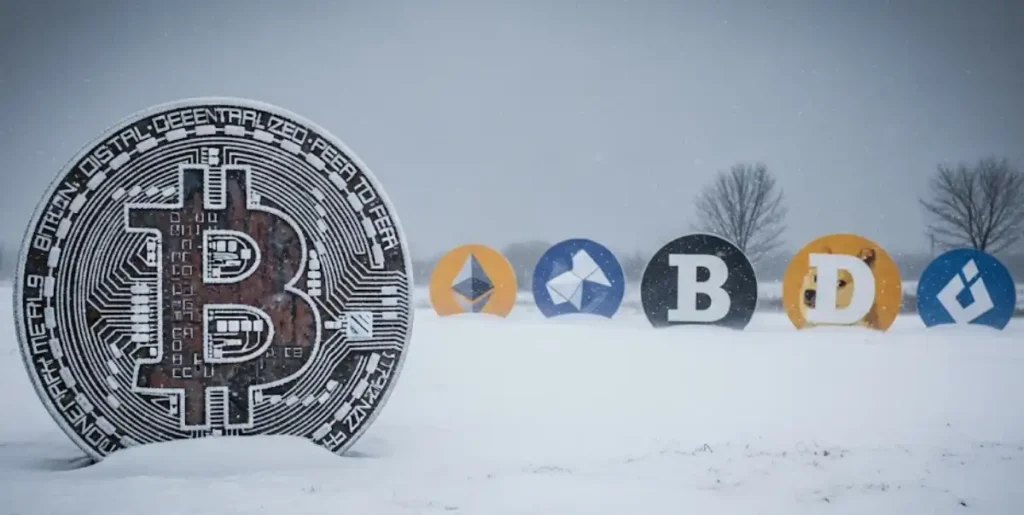

Featured News Headlines
What is a Crypto Winter?
The cryptocurrency market has seen unprecedented growth and volatility over the past decade. This ecosystem, which has created billionaires, disrupted the tech world, and injected new life into the financial system, has also weathered its share of storms. The biggest and most feared of these is a period known as a “Crypto Winter.” So, what exactly does this term mean, and why is it so significant?
Defining and Characterizing a Crypto Winter
As the name suggests, a Crypto Winter refers to a prolonged period of deep decline in the cryptocurrency market. It’s not just about falling prices; it also brings with it a serious drop in market volume, a decline in investor interest, and major difficulties for new projects to secure funding, with some even vanishing entirely.
The main characteristics that define a Crypto Winter are:
- Prolonged and Deep Price Declines: Major cryptocurrencies like Bitcoin and Ethereum can lose 70%, 80%, or even more of their peak value. These declines can last for months, or even years.
- Low Trading Volume: As prices fall, investors often withdraw from the market, and trading activity slows down. This leads to a significant decrease in trading volume.
- Loss of Sentiment and FUD: A general sense of pessimism, panic, and FUD (Fear, Uncertainty, and Doubt) prevails in the market. Even positive news isn’t enough to push prices higher.
- Struggles for Projects and Companies: Raising funds becomes almost impossible during a bear market. Many crypto projects and even some large companies experience financial hardship and can go bankrupt.
- Decreased Media Interest: News and discussions about cryptocurrencies receive less coverage in the media as interest typically shifts to other topics.
A History of Crypto Winters: Past Examples
The Crypto Winter is not a new concept in the crypto world. History shows that these cycles are a recurring event.





The 2014 Winter: This period was triggered by the hacking of the Mt. Gox exchange. Bitcoin fell from its 2013 peak of over $1,200 to under $200 by early 2015, marking the market’s first major winter.
The 2018 Winter: This was arguably the most well-known Crypto Winter. During the massive “bull run” of 2017, Bitcoin approached $20,000, and hundreds of altcoins saw incredible price increases. However, the market turned in early 2018, leading to a severe downturn that lasted until late 2019. Bitcoin plummeted to around $3,000, and many ICO (Initial Coin Offering) projects failed.
Factors Contributing to a Crypto Winter
A single cause does not trigger a Crypto Winter. It usually emerges from a combination of several factors:
- Macroeconomic Conditions: Economic uncertainty, such as rising inflation or interest rate hikes, pushes investors to withdraw from risky assets, including cryptocurrencies.
- Regulatory Scrutiny: Increased regulatory pressure, rumours of bans, or harsh taxation policies can create anxiety in the market.
- Technological and Project-Based Issues: The collapse of a major project (e.g., the Terra/Luna ecosystem) or the hacking of a significant exchange can shatter investor confidence and create a domino effect.
- Psychological Factors: The disappointment and panic that follow a period of excessive euphoria and speculation lay the groundwork for a deepening Crypto Winter.
How to Survive a Crypto Winter
For experienced investors, Crypto Winters can also be seen as a period of opportunity. Here are some strategies to stay afloat during these challenging times:
- Don’t Panic: Avoid making impulsive and emotional decisions when prices are falling. Remember that the crypto market is cyclical.
- Maintain a Long-Term Perspective: Instead of focusing on short-term price fluctuations, invest in projects with strong fundamentals and high technological potential.
- Dollar-Cost Averaging (DCA): Reduce your average cost by making regular, small purchases while prices are low.
- Keep Learning: Continue to educate yourself about the technology behind cryptocurrencies, projects, and market trends. Seek out reliable and accurate information.
- Diversify Your Portfolio: Reduce risk by spreading your money across different assets rather than investing everything in a single cryptocurrency.
- Research Projects: Thoroughly research every project. Examine its team, technology, roadmap, and community. Steer clear of projects that make empty promises.
The Spring That Follows the Winter
Crypto Winters are a natural selection process that purges the market of weak and speculative projects, strengthening those with real value. Although they can be painful and draining, these periods are when innovation doesn’t slow down; instead, more robust and sustainable foundations are laid.
It is important to remember that Bitcoin and other cryptocurrencies have always bounced back stronger from every Crypto Winter. The key is to remain calm and committed to knowledge and a long-term vision during this difficult period. The Crypto Winter is the ultimate test of whether digital assets are here to stay, and those who pass this test will be the biggest winners of the next bull market.



























[…] has been declining over the past few weeks, which has increased market anxiety. Despite earlier strong selling, the most recent rally confidently broke over the short-term […]