




Featured News Headlines
Solo Bitcoin Miner Wins $265K Block Reward Against Near-Impossible Odds
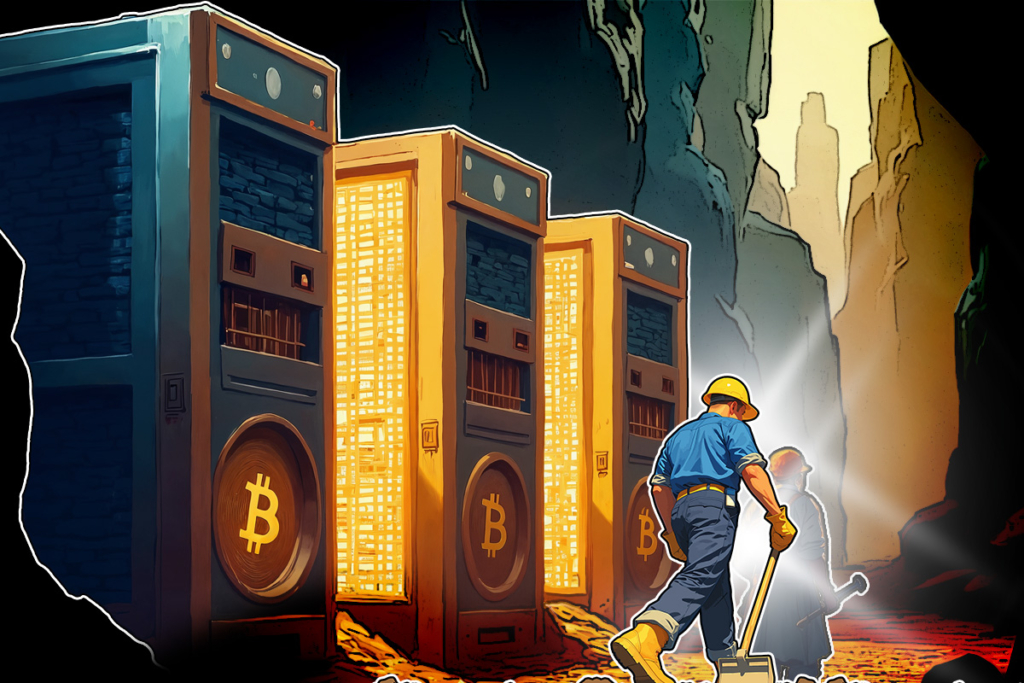
Solo Mining Triumph – A small-scale solo Bitcoin miner surprised the crypto community on Friday after successfully securing block 924,569, earning a total reward of 3.146 BTC—roughly $265,000 at current prices. Data from mempool.space shows the miner contributed just 6 terahashes per second (TH/s) of computing power, a minuscule slice of a network that recently averaged more than 855 exahashes per second (EH/s).
A Once-in-100,000 Chance Win
According to solo-mining facilitator CKPool, the miner had less than a 1-in-100,000 chance per day of landing a block with that level of computing power. For comparison, a high-end Antminer S21 running at 200 TH/s would, under today’s network conditions, need about 57 years on average to find a single block.
CKPool noted this was the 308th solo-mined block found using its software—and the first in about three months. The achievement is drawing attention across social media, with some calling it one of the luckiest solo-mined blocks in recent history. A similarly improbable event occurred in 2022, when another miner found a block using 126 TH/s against 1 in 1.3 million odds.
Solo Mining Economics Remain Harsh
Probability figures highlight how challenging solo mining can be. In April, a miner operating a 1.2 TH/s rig had just a 0.00068390% chance per day of winning a block. Adjusted to the current network hash rate of 1.208 ZH/s, that probability drops to 0.000424%, with the rig consuming 31.2 kWh daily at an electricity cost of about $3.74. Without voluntary disclosure from miners, the hardware used in this latest win remains unknown.




Miners Pivot Toward AI
As profitability tightens, several miners are shifting strategies. Companies large and small are abandoning traditional Bitcoin mining, citing high operational costs and shrinking margins. Bitfarms recently reported a $46 million Q3 loss and plans to convert its Washington site to GPU-as-a-Service for AI workloads—an initiative the company says could outperform its historical Bitcoin mining income. Other major players, including Cipher and Terawulf, have also begun embracing AI-related operations, attracting backing from names like SoftBank and Google.
Bitcoin Mining Finds a New Use: Home Heating
Despite industry headwinds, Bitcoin mining is showing unexpected potential in residential heating. Research from K33 indicates mining generates roughly 100 TWh of heat annually—enough to warm a country the size of Finland. Devices like the HeatTrio, featured by The New York Times, merge space heating with mining capability, while some home miners reroute rig heat into ventilation systems to offset energy costs. As Bitford Digital CEO Jill Ford noted, using mining heat creatively demonstrates how crypto miners can serve as energy allies.

























Comments are closed.