




Featured News Headlines
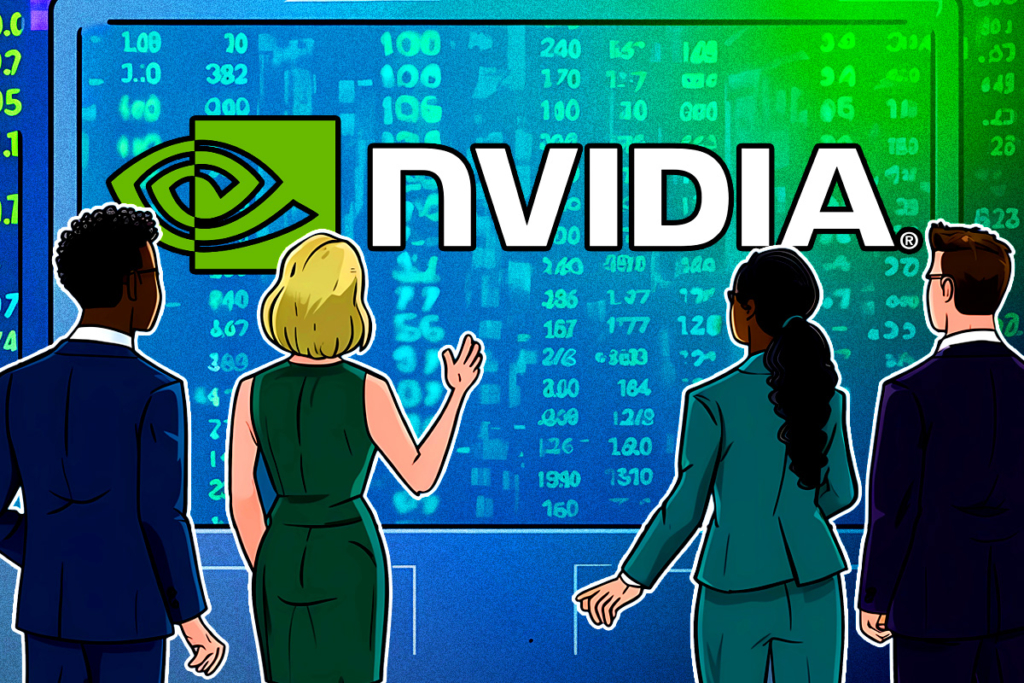
Nvidia Q2 2026 Results: 56% Revenue Growth Amid $4.4 Trillion Market Cap Milestone
Nvidia Corporation, the world’s leading AI chip manufacturer, delivered impressive financial results for its second quarter of fiscal 2026, showcasing resilience amid ongoing geopolitical tensions with China. The tech giant’s stock experienced mixed reactions as investors processed the earnings data.
Strong Financial Performance Amid Market Challenges
The semiconductor powerhouse reported Q2 revenue of $46.7 billion, representing a robust 6% increase from the previous quarter and an impressive 56% year-over-year growth. Net income reached a staggering $26.4 billion, while the company maintained healthy profit margins of approximately 72.4%.
Earnings per share (EPS) came in at $1.08 using GAAP accounting standards, with non-GAAP EPS at $1.05, successfully beating Wall Street analyst expectations across key metrics.
Market Reaction and Valuation
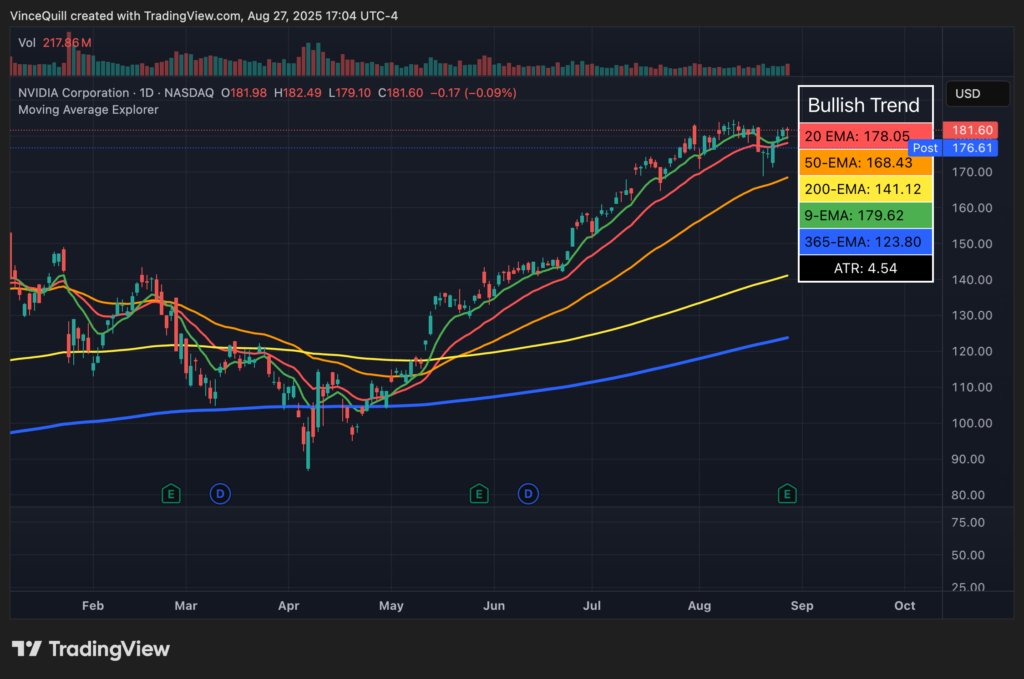
Despite the strong earnings beat, Nvidia shares declined 3.3% in after-hours trading Wednesday, suggesting investor concerns over future growth prospects. The company maintains its position as the world’s largest publicly traded company with a market capitalization exceeding $4.4 trillion.



Zero H20 Chip Sales to China Create Revenue Gap
A significant development emerged regarding Nvidia’s China operations, with the company reporting zero H20 sales to China-based customers during the second quarter. The H20 processor, specifically designed as a weaker alternative to Nvidia’s flagship H100 chip for Chinese markets, saw no sales due to strict export controls.
Trade Policy Developments
The Trump administration initially tightened export restrictions in January, implementing export licenses and fees totaling $5.5 billion on H20 chip sales to China citing national security concerns. However, policy shifted in August, allowing resumed sales with the condition that Nvidia provides 15% of China-related revenue to the US government.
This earnings report highlights Nvidia’s continued dominance in the AI computing sector while navigating complex international trade relationships that significantly impact global semiconductor markets.


























Comments are closed.