




Featured News Headlines
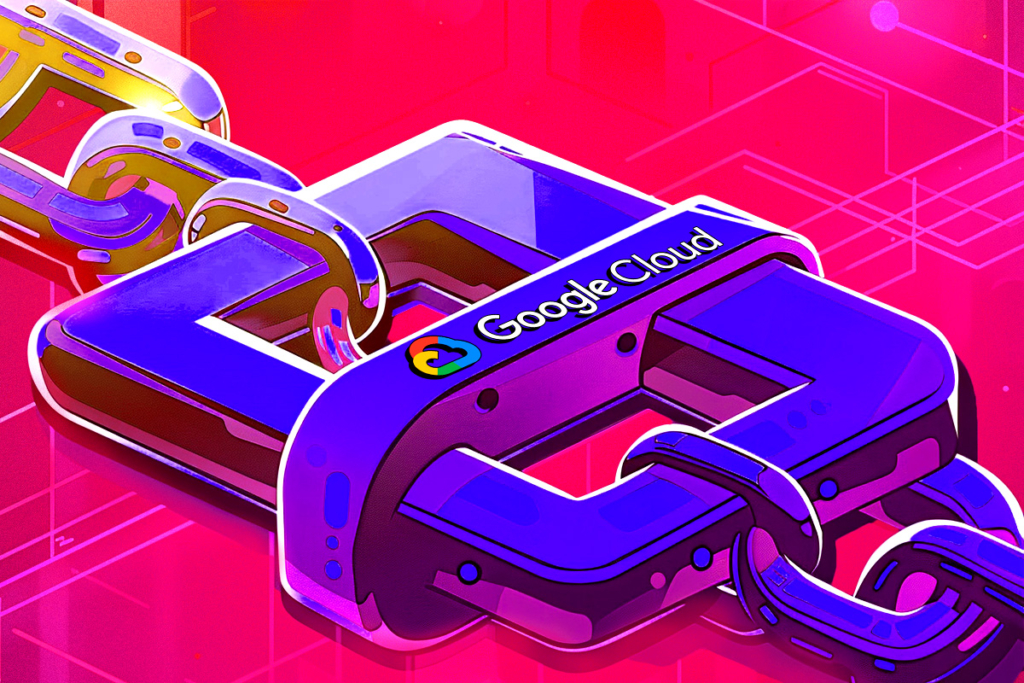
Google Cloud Builds GCUL Blockchain for Financial Institutions
Google Cloud is stepping deeper into the blockchain arena with the development of its own network, the Google Cloud Universal Ledger (GCUL), designed specifically for the financial sector. The announcement came Tuesday from Rich Widmann, Google Cloud’s Web3 Head of Strategy, in a LinkedIn post.
A Neutral Blockchain for the Financial Industry
According to Widmann, GCUL is being built as a “performant, credibly neutral” blockchain that will allow institutions to deploy Python-based smart contracts. The network is intended to serve as a neutral infrastructure layer where any financial institution can build, regardless of existing corporate rivalries.
“Tether won’t use Circle’s blockchain – and Adyen probably won’t use Stripe’s blockchain. But any financial institution can build with GCUL,” Widmann explained.
The service is currently in private testnet, with more details expected in the coming months. Google Cloud described GCUL as a private, permissioned blockchain that focuses heavily on compliance, payment automation, and digital asset management. It will be accessible through a single API, simplifying integration for financial players.





Layer 1 or Not? Community Skepticism Emerges
While Widmann referred to GCUL as a Layer 1 network, its private and permissioned structure has sparked skepticism within the blockchain community. Critics argue that the project should not be confused with decentralized blockchains, as it will not operate with the same open, permissionless principles.
Partnership With CME Group
Google Cloud had first hinted at the initiative back in March, announcing a collaboration with the CME Group. At that time, CME revealed it was piloting solutions on GCUL for wholesale payments and asset tokenization, signaling the platform’s focus on enterprise-grade financial applications.
With GCUL, Google Cloud is positioning itself as a serious player in blockchain-based financial infrastructure, even if questions remain about how “neutral” or “decentralized” the system will truly be.























Comments are closed.