



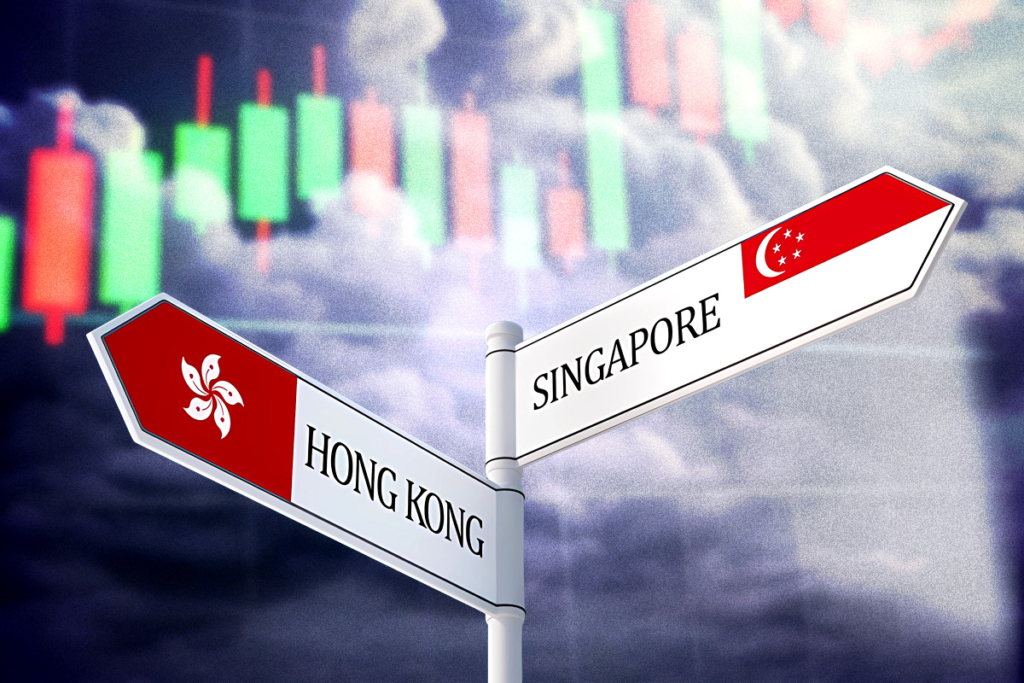

Singapore Leads in Crypto Integration and User Penetration
According to a recent report by Bybit in collaboration with DL Research, Singapore ranks first globally in cryptocurrency adoption, surpassing the United States and Lithuania. The study analyzed 79 countries using 28 metrics and 92 data points, evaluating adoption patterns, regulatory frameworks, and user engagement.
Singapore scored 7.5 overall, achieving perfect marks in user penetration (1.00) and high cultural visibility (0.96). Over 11% of its population reportedly holds cryptocurrencies, a reflection of the city-state’s institutional readiness and supportive regulatory environment. Bybit highlighted Singapore’s integration of digital assets into daily life and infrastructure as a key factor in its top ranking.
Regulatory Framework Strengthens Crypto Environment
The Monetary Authority of Singapore (MAS) has recently clarified its regulatory stance. In April 2022, the Financial Services and Markets Act (FSMA) was enacted to enhance MAS oversight of the financial sector. By June 2025, provisions including a licensing regime for Digital Token Service Providers (DTSPs) came into effect, applying to firms with a substantial presence in Singapore.
MAS emphasized in a May consultation response that it “is unlikely to approve any application by an entity to provide DT services from Singapore to only overseas persons, given the higher inherent ML/TF risks and the limited supervisory oversight MAS can exercise over such entities.”




Stablecoins and Global Trends
The report also highlighted the rise of stablecoins pegged to non-US currencies. While US dollar-backed tokens like Tether (USDT) and Circle (USDC) dominate savings and hedging, alternatives are emerging for commerce and payments. Jesse Pollak, head developer at Coinbase’s Base blockchain, noted: “If you look at the world today… tens of other critical currencies… are missing in the crypto economy.”
Oleg Ogienko from the A7A5 project projected that fiat-backed cryptocurrencies outside the US dollar could capture around 20% of the stablecoin market by 2028, reflecting growing demand for diverse digital currencies.
Lithuania scored 6.3, standing out in cultural readiness and institutional penetration. Switzerland and the UAE completed the top five, while Vietnam and Hong Kong entered the top ten, signaling strong adoption trends across Southeast Asia.

















Comments are closed.