




Featured News Headlines
What is an NFT?
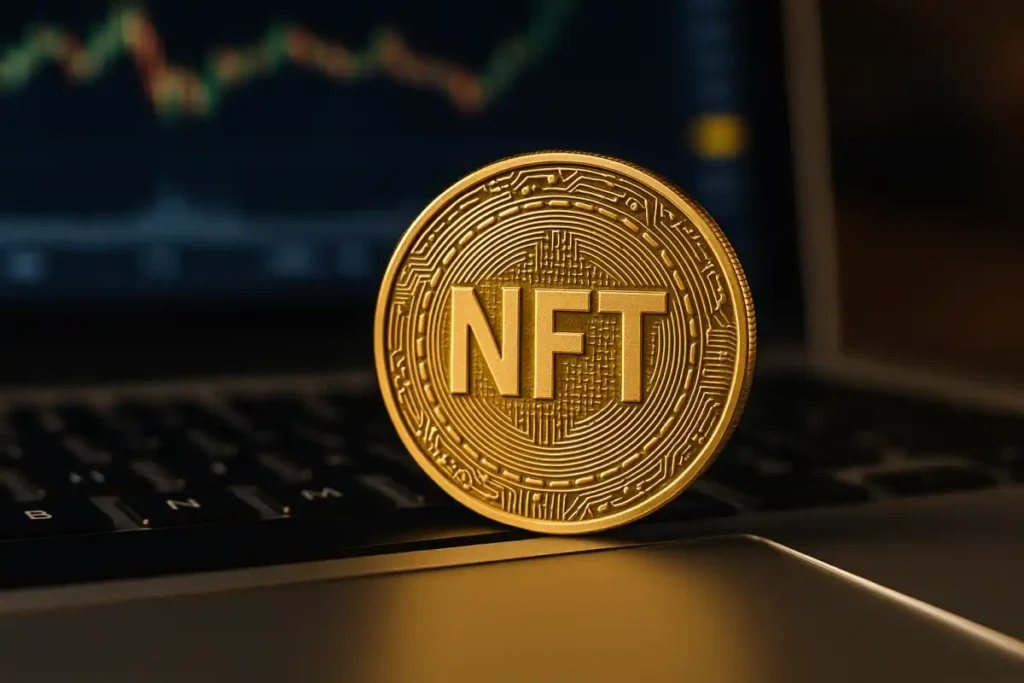
NFT stands for Non-Fungible Token, a unique digital asset stored on a blockchain. Unlike cryptocurrencies such as Bitcoin or Ethereum, which are interchangeable, NFTs are one-of-a-kind tokens that cannot be exchanged on a one-to-one basis. Each NFT carries specific metadata and ownership information, much like a certificate of authenticity for digital content.
Key Features of NFTs
- Uniqueness: Every NFT is distinct and has its own set of metadata.
- Indivisibility: NFTs are typically bought and sold as whole units.
- Ownership Verification: Blockchain technology enables transparent tracking of ownership and transaction history.
- Digital Certificate: NFTs act as proof of authenticity for digital assets such as art, music, collectibles, and more.
How Do NFTs Work?
NFTs are usually built on blockchain networks, most commonly Ethereum, and follow standards like ERC-721 or ERC-1155. Each NFT is backed by a smart contract, which contains details such as the token’s identity, creator, owner, and metadata. Once minted, the token is recorded on the blockchain and becomes tamper-proof and traceable.
Use Cases of NFTs
Digital Art
Artists can mint their works as NFTs, ensuring originality and enabling direct sales without intermediaries. This democratizes art sales and secures creator royalties.
Gaming
In-game items such as weapons, avatars, or skins can be issued as NFTs, allowing players to own, trade, or even transfer these assets across games.





Music
Musicians are releasing tracks or exclusive content as NFTs. This not only helps secure copyright but also fosters direct engagement with fans.
Event Tickets
NFT-based tickets eliminate the risk of fraud and allow organizers to track resales with full transparency.
Digital Collectibles
Historical documents, sports highlights, or trading cards can be tokenized as NFTs, creating value through scarcity and uniqueness. A prominent example is NBA Top Shot.
How to Buy and Sell NFTs
- Set Up a Crypto Wallet: Use wallets like MetaMask to store your cryptocurrency and NFTs.
- Purchase Ethereum (ETH): Most NFT platforms operate on the Ethereum network.
- Choose an NFT Marketplace: Popular platforms include OpenSea, Rarible, Foundation, and SuperRare.
- Buy or Bid: Select an NFT and either purchase it outright or place a bid.
- Store in Your Wallet: After purchase, the NFT is transferred to your wallet.
Top NFT Marketplaces
| Marketplace | Key Features |
|---|---|
| OpenSea | Largest NFT platform, supporting various asset types |
| Rarible | Community-governed platform for creators |
| Foundation | Invite-only marketplace for high-quality artwork |
| SuperRare | Curated digital art platform for elite creators |
Benefits of NFTs
- Provides creators with direct monetization opportunities.
- Ensures authenticity and provenance of digital works.
- Streamlines copyright management using blockchain.
- Introduces new avenues for investment in digital assets.
Risks and Criticisms of NFTs
- Market Volatility: NFT prices can fluctuate dramatically.
- Copyright Infringement: Unauthorized minting of someone else’s work can lead to legal issues.
- Environmental Concerns: Ethereum transactions require substantial energy, raising sustainability concerns.
- Speculative Bubble: Some analysts argue that the NFT market is driven by hype rather than intrinsic value.
The Future of NFTs
NFTs are not limited to art or collectibles. Their potential applications span across real estate, digital identity, education, healthcare, and Metaverse environments, where NFTs can represent avatars, land parcels, or access credentials. As blockchain technology evolves, NFTs may become a core component of digital ownership and identity systems.
NFTs Are Reshaping the Digital Economy
NFTs are revolutionizing how we perceive and interact with digital content. They empower creators, redefine ownership, and open up new investment frontiers. However, for NFTs to achieve long-term viability, ethical use, regulatory clarity, and environmental solutions must be prioritized.


























Comments are closed.