




Featured News Headlines
Decentralized Applications (DApps)
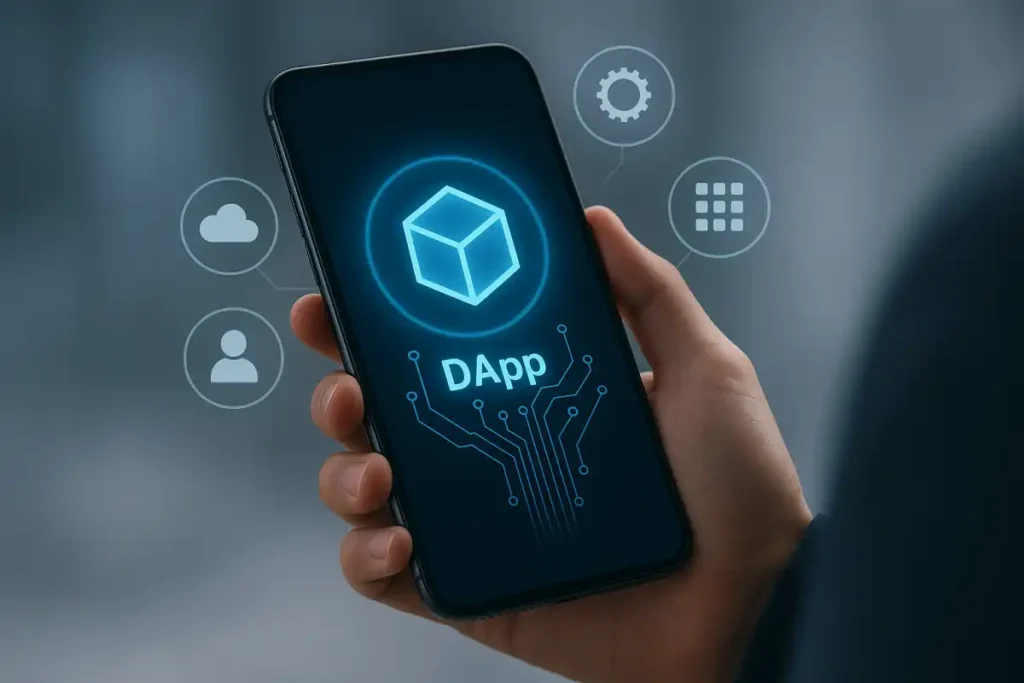
In recent years, one term has been gaining significant attention in the tech world: Decentralized Applications, commonly known as DApps. Unlike traditional apps that rely on centralized servers, DApps run independently on blockchain networks, offering transparency, security, and resistance to censorship. In this article, we will explore what DApps are, how they function, their real-world use cases, and what the future holds for this transformative technology.
What Is a Decentralized Application (DApp)?
A Decentralized Application (DApp) is a software program that operates without a central authority, typically utilizing blockchain technology to store data and manage operations. DApps are often open-source, and they enable peer-to-peer interaction directly between users.
Core Characteristics of DApps
- Decentralized Architecture: Data is stored on a distributed network of nodes rather than a central server.
- Open-Source Code: Anyone can review, audit, or contribute to the codebase.
- Blockchain Integration: Transactions are processed and recorded via blockchain technology.
- Token Utilization: Many DApps use native tokens or cryptocurrencies as part of their functionality.
How Do DApps Work?
Instead of relying on a centralized backend, DApps are powered by smart contracts—self-executing pieces of code stored on the blockchain that automate transactions based on predefined conditions.
For instance, a DApp used for e-commerce might utilize a smart contract to automatically release payment to a seller only after the buyer confirms receipt of goods. This removes the need for third-party intermediaries and enforces trust through transparent code.




Types of DApps
DApps come in various forms and serve a wide range of purposes. They are typically categorized based on their use case:
1. Financial DApps (DeFi)
These applications enable decentralized financial services such as lending, borrowing, and trading.
Examples: Uniswap, Aave, Compound
2. Gaming & Entertainment DApps
Built for user engagement through blockchain-based assets, often incorporating NFTs.
Examples: Axie Infinity, Decentraland
3. Social Media DApps
Offer decentralized platforms for content creation and social interaction.
Examples: Steemit, Lens Protocol
4. Governance & Voting DApps
Used for decentralized decision-making within DAOs (Decentralized Autonomous Organizations).
Examples: Aragon, Snapshot
Why Use DApps?
Transparency
All transactions are visible and immutable on the blockchain.
Security
Decentralization makes DApps less vulnerable to hacking.
Censorship Resistance
Governments or institutions cannot easily block or alter a DApp.
User Empowerment
Data remains in the hands of users, not centralized authorities.
Advantages and Disadvantages of DApps
| Advantages | Disadvantages |
|---|---|
| Decentralized control | Often lack user-friendly interfaces |
| Lower transaction fees | Scalability limitations on some blockchains |
| High transparency and security | Slow transaction speeds (especially on Ethereum) |
| Global accessibility | Smart contract bugs can have irreversible effects |
The Future of DApps
As Web3 continues to evolve, the role of DApps is expected to grow exponentially. Advancements like Ethereum 2.0 aim to address scalability and speed issues, making DApps more practical and user-friendly. Moreover, the integration of artificial intelligence and IoT with blockchain may unlock new possibilities, extending DApp use cases beyond their current scope.
DApps in Turkey: A Growing Trend
Turkey has one of the highest rates of cryptocurrency adoption in the world. As such, it offers fertile ground for DApp development and usage. Interest in DeFi platforms is on the rise, and local startups are beginning to explore the DApp ecosystem with enthusiasm.
Conclusion
Decentralized Applications (DApps) are not just a technological trend—they represent a fundamental shift in how we interact with the internet. From financial services to gaming, social platforms to governance, DApps offer a user-centered, transparent, and secure alternative to the centralized systems of the past.
For tech enthusiasts, investors, and everyday users alike, understanding and engaging with DApps can be a step toward a more open, fair, and decentralized digital future.
Frequently Asked Questions (FAQs)
How is a DApp different from a traditional app?
Are DApps secure to use?
Which wallets support DApp interaction?























Comments are closed.