




Featured News Headlines
2025: A Milestone Year
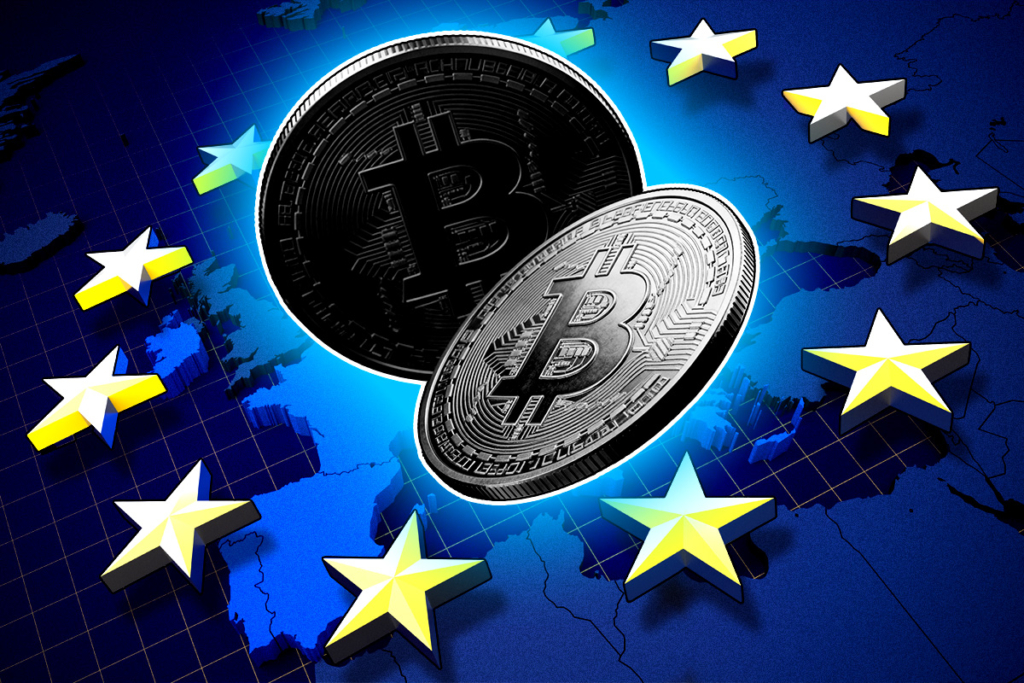
2025 marked a turning point for Europe’s digital asset ecosystem. Legislative clarity arrived at scale, with the Markets in Crypto-Assets Regulation (MiCA) transitioning from concept to practical implementation. This gave firms a unified framework for issuance, custody, and service provision. Regulators spent the year embedding these rules into day-to-day supervision, aligning them with existing financial legislation and compelling businesses to strengthen processes in preparation for scaling operations.
Infrastructure development also accelerated. Custodians expanded offerings, prime-brokerage services matured, and euro-denominated stablecoin rails gained credibility. Central banks progressed their digital-currency pilots, and institutional flows across exchanges and over-the-counter venues moved from irregular spikes to steady patterns.
Yet progress was not without challenges. Overlaps between MiCA and existing payments regulations created operational friction, stablecoin governance faced heightened scrutiny, and tokenization pilots revealed the complexity of real-world integration. Market behavior remained cautious, influenced by past industry shocks like Terra, Celsius, and FTX.
Global dynamics added another layer of complexity. A change in the U.S. administration initially sparked optimism for more constructive digital-asset regulation, but policy shifts, including disruptive tariffs, introduced volatility. For crypto markets, escaping one set of constraints often meant encountering another.





Institutional Adoption Gains Momentum
Traditional finance (TradFi) made structural moves into digital assets in 2025. Banks, asset managers, and market infrastructure providers increasingly explored tokenization and on-chain settlement, driven by regulatory clarity and the growing reliability of regulated stablecoins. What was once peripheral is now integrated into treasury, trading, fund distribution, and collateral management.
However, legacy institutions face operational limits. Risk management and client services are strong, but engineering stacks and product cycles are often unsuited to the rapid pace of blockchain markets. Attempting to rebuild these systems internally can be slow, costly, and produce isolated “crypto pockets.”
Instead, many firms are partnering with specialized infrastructure providers. As the article notes, “Modular APIs, regulated custody, and secure trading solutions remove large sections of engineering, security, and compliance burden.” By leveraging these systems, banks focus internal resources on client journeys, risk engines, and treasury optimization, while custody, settlement, and tokenization rails are handled by experts.
Tokenization Moves Into Practice
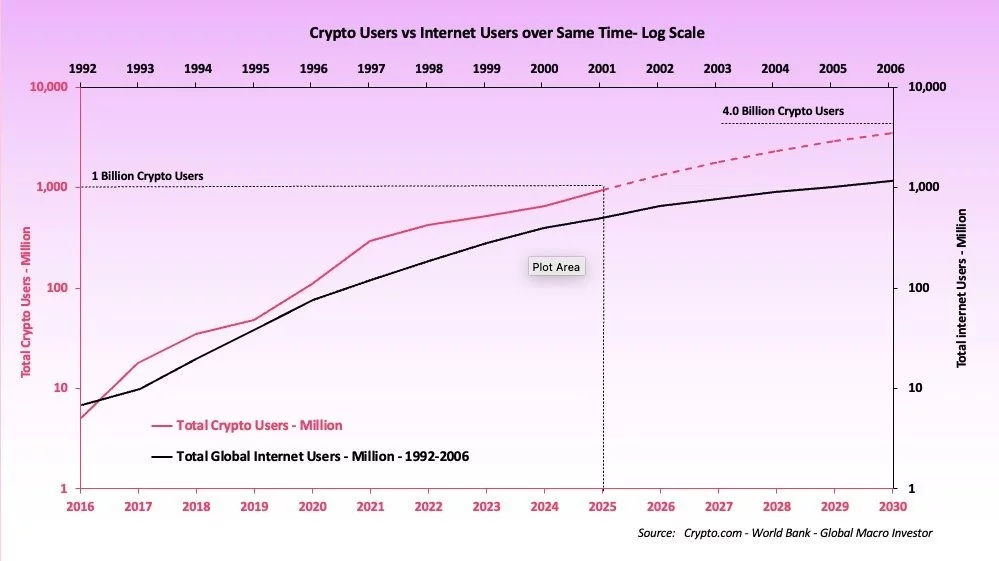
Tokenization of real-world assets accelerated in 2025, particularly for short-dated credit, fund interests, and high-quality liquid assets. On-chain representation of these assets enhances settlement speed, transparency, and capital efficiency. Provenance is another key benefit: tokenized assets provide clear ownership and movement records, reducing settlement risk and enabling new forms of secured lending.
Tokenization also compresses product development cycles. Embedded compliance, auditability, and reporting workflows allow issuers to bring new funds and structured products to market more quickly while maintaining secure custody throughout their lifecycle.
Stablecoins: Growth and Challenges
Stablecoins remain the most widely used blockchain-based financial instruments, powering global value transfer and 24/7 treasury operations. Regulatory frameworks such as MiCA, the GENIUS Act in the U.S., and emerging rules in Asia and the Middle East have supported growth, with over $305 billion circulating on public blockchains.
A bifurcation is emerging between USD- and euro-denominated stablecoins. While dollar-based options dominate liquidity, euro-denominated stablecoins are still developing. Regulatory ambiguity, supervisory differences, and operational complexity have limited adoption. Consequently, euro-area institutions often rely on USD-based stablecoins for on-chain settlement.
Despite this, momentum is building. Banks, fintechs, and payment providers are exploring issuance and integration of euro stablecoins, recognizing advantages such as faster settlement, programmable cashflows, and reduced reconciliation burdens.
Looking Ahead: 2026
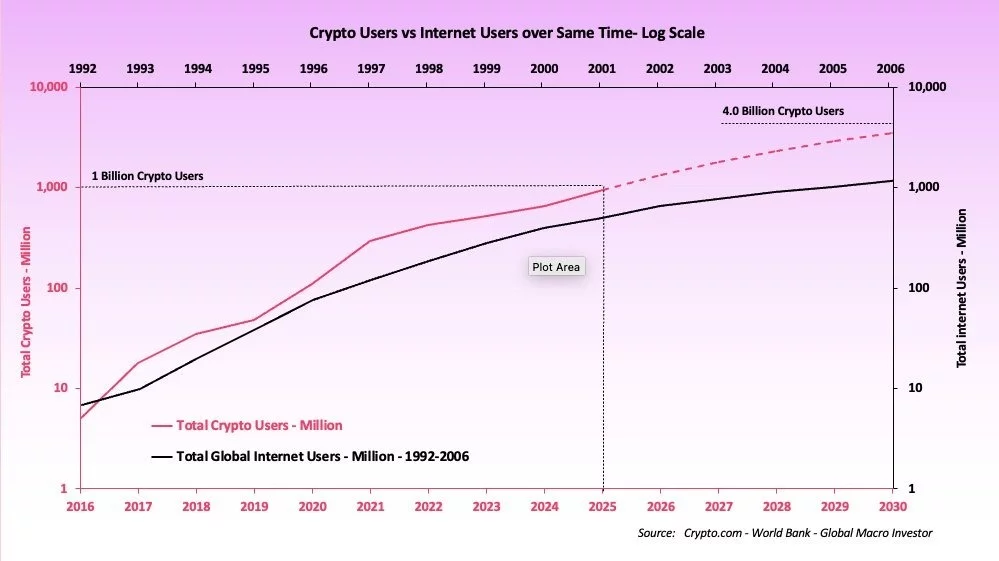
The coming year will shift focus from regulatory compliance to operational execution. Custody, resilience, and audit standards will remain top priorities, and proof-of-reserves may become a baseline expectation. Cross-border firms will need clear licensing strategies to avoid regulatory debt while expanding services.
Liquidity for tokenized instruments will also be critical. Integration with financing providers, market makers, and off-exchange settlement networks will determine the maturity of on-chain markets. Stablecoins will face growing scrutiny, with institutions evaluating providers based on transparency, reserve governance, and redemption resilience.
Operational discipline and collaboration will define success. As highlighted, “The organizations best positioned to win will be those that execute: Companies that combine compliance discipline with product agility, partner where it makes sense, and design systems that account for multiple settlement paths and legal outcomes.”
Europe’s regulatory clarity, institutional infrastructure, and progress in programmable money set the stage. The next phase will reward firms that can transform pilots into scalable, compliant, and integrated digital-asset operations.

























Comments are closed.