





Featured News Headlines
Crypto Security in 2026: Human Error, Not Bugs, Could Cause Biggest Hacks
Crypto security experts are sounding the alarm: the biggest threat to digital assets in the coming year is unlikely to be a zero-day bug or protocol failure. Instead, it will be human behavior.
According to Nick Percoco, Chief Security Officer at Kraken, most crypto hacks in 2025 didn’t begin with malicious code—they began with a conversation. “Attackers aren’t breaking in, they’re being invited in,” Percoco said, pointing to the rise of social engineering attacks across the industry.
$3.4 Billion Lost as Social Engineering Dominates
Data from Chainalysis shows that from January to early December 2025, the crypto industry suffered more than $3.4 billion in theft, with the Bybit breach in February accounting for nearly half of that figure. In that incident, attackers used social engineering to gain access, injected malicious JavaScript, altered transaction details, and siphoned funds.
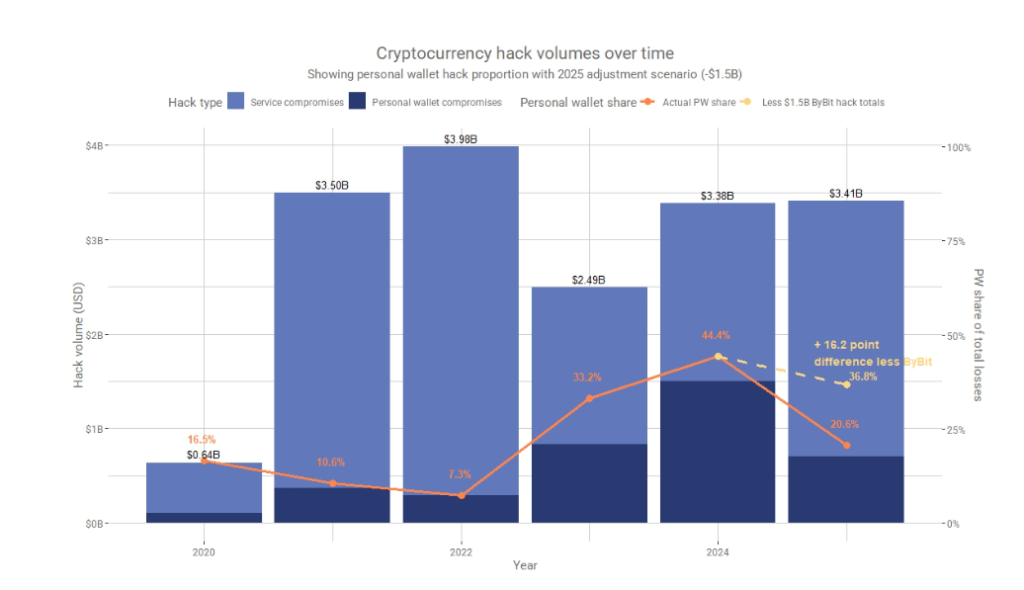
Social engineering manipulates individuals into revealing sensitive information or taking harmful actions—making the human mind the new battleground for crypto security.





Automation and Identity Verification Take Center Stage
Percoco emphasized reducing “human trust points” by automating defenses, verifying every digital interaction, and shifting toward AI-driven threat detection. He warned that greed and FOMO continue to amplify risk, noting that no technology can replace strong security habits.
Developers and Infrastructure Under Pressure
Lisa, security operations lead at SlowMist, highlighted growing threats to developer ecosystems, including cloud credential leaks and malicious code injection. She warned that attackers are increasingly using AI-generated deepfakes, phishing, and fake hiring tests to steal wallet keys and credentials.
Her recommendations include dependency verification, infrastructure segmentation, anomaly detection, and strong access controls. Individuals, she said, should rely on hardware wallets, avoid unverified files, and treat unsolicited links with caution.
AI Deepfakes and Physical Threats Rise
Steven Walbroehl, CTO of Halborn, warned that AI-powered social engineering is becoming highly personalized and harder to detect. He advocates proof-of-personhood, biometric authentication, and strict verification protocols.
Meanwhile, wrench attacks—physical assaults on crypto holders—surged to at least 65 cases in 2025, according to Jameson Lopp. Former CIA officer Beau urged users to stay private about wealth and secure personal data offline.
Old Rules Still Matter
Security veteran David Schwed stressed sticking to reputable platforms, avoiding password reuse, using hardware-based multifactor authentication, and never sharing seed phrases.



























Comments are closed.