




Featured News Headlines
Ethereum Developers Reveal Hegota: Next Step in Multi-Phase Roadmap
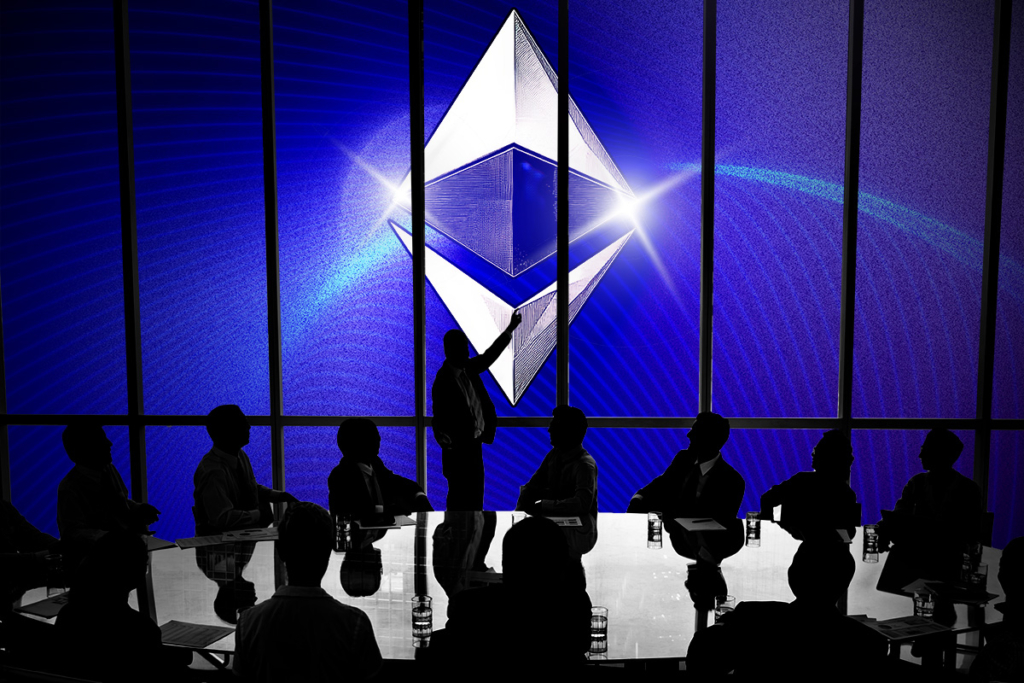
Ethereum’s core developers have officially named the network’s next upgrade after Glamsterdam as “Hegota”, further defining the blockchain’s 2026 development cycle. This announcement underscores Ethereum’s ongoing commitment to a twice-yearly upgrade cadence, aimed at making improvements more iterative, predictable, and narrowly scoped.
Hegota: Merging Execution and Consensus Layers
The Hegota upgrade will blend the execution layer’s “Bogota” upgrade with the consensus layer’s “Heze,” named after a star. Developers clarified that the headliner EIP for Hegota will not be selected until February 2026, while work on Glamsterdam — Ethereum’s first scheduled 2026 upgrade — continues.
The decision was made during the All Core Developers Execution (ACDE) call, the final meeting of the year, with discussions set to resume January 5 to finalize Glamsterdam’s scope.
2026 Upgrade Roadmap
Following Pectra and Fusaka in 2025, Ethereum has now fully embraced its twice-annual upgrade schedule. Glamsterdam is expected in the first half of 2026, with Hegota slated for later in the year.





Potential features for Hegota include Verkle Trees, which are key to fully stateless clients, as well as discussions around state and history expiry mechanisms and execution-layer optimizations. Items deferred from Glamsterdam may also roll into Hegota.
Meanwhile, Glamsterdam focuses on Layer 1 efficiency and builder decentralization, with proposals like enshrined proposer-builder separation (ePBS), block-level access lists, and gas repricings under consideration. More complex changes, such as reduced slot times, have been deferred to future upgrades.
Ethereum’s Multi-Phase Vision
Hegota fits within Ethereum’s broader roadmap, which began with The Merge in 2022, transitioning the network to proof-of-stake. Future phases — The Surge, The Verge, The Purge, and The Splurge — focus on scaling, statelessness, historical cleanup, and protocol simplification. Hegota’s potential integration of Verkle Trees aligns directly with The Verge, enabling lighter client verification and reduced node storage.























Comments are closed.