




Featured News Headlines
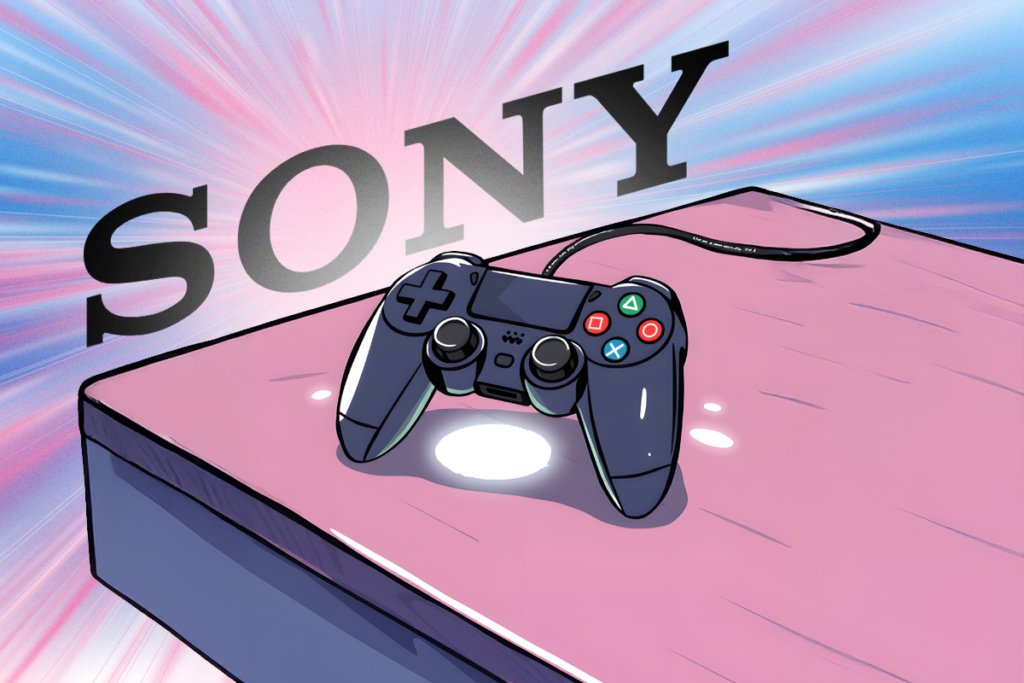
Sony Bank Announces Stablecoin for PlayStation and Anime Payments
Sony Bank, the online lending arm of Sony Financial Group, is reportedly preparing to launch a stablecoin designed to facilitate payments across the Sony ecosystem in the United States. According to Nikkei, the new US dollar-pegged digital currency is expected to debut in 2026, targeting purchases of PlayStation games, subscriptions, and anime content.
Targeting US Customers and Reducing Fees
The stablecoin aims to serve US customers, who account for roughly 30% of Sony Group’s external sales. The digital token is intended to complement existing payment methods, such as credit cards, potentially helping to reduce fees paid to card networks. By integrating the stablecoin alongside traditional payment options, Sony hopes to create a more efficient payment experience for its US user base.
Sony Bank’s Web3 Expansion
This initiative comes as Sony Bank actively explores Web3, having established a dedicated Web3 subsidiary in June. The unit, later named BlockBloom, focuses on building an ecosystem that merges fans, artists, NFTs, digital and physical experiences, and both fiat and digital currencies. In May, Sony Bank highlighted the growing importance of digital assets, crypto wallets, and NFT storage within diverse business models, signaling the company’s long-term commitment to blockchain-based services.
Strategic Moves and Partnerships
In October, Sony Bank applied for a US banking license to create a stablecoin-focused subsidiary and partnered with Bastion, a US-based stablecoin issuer. Sony’s venture arm also participated in Bastion’s $14.6 million funding round, led by Coinbase Ventures. The move aligns with the recent spin-off of Sony Financial Group, which became independent from the broader Sony conglomerate and was listed on the Tokyo Stock Exchange in September, allowing each entity to focus strategically on its core operations.





While Cointelegraph reached out for comment on the potential US stablecoin launch, Sony Bank had not responded at the time of publication.























Comments are closed.