





Featured News Headlines
Australia’s Crypto Regulation Bill Includes Two New License Types for Platforms
Australia’s government is moving to tighten oversight of the local crypto sector with the introduction of the Corporations Amendment (Digital Assets Framework) Bill 2025. The legislation, introduced by Assistant Treasurer Daniel Mulino, aims to regulate crypto companies—including exchanges and custody providers—under existing financial services laws.
Crypto Licensing Under the Spotlight
The bill requires crypto firms to obtain an Australian Financial Services License (AFSL), bringing platforms that hold or advise on digital assets under a clear regulatory framework. Mulino told Parliament that the legislation addresses risks associated with client-held crypto, noting that, until now, companies could hold unlimited customer crypto without financial safeguards, leaving the door open to frauds like FTX.
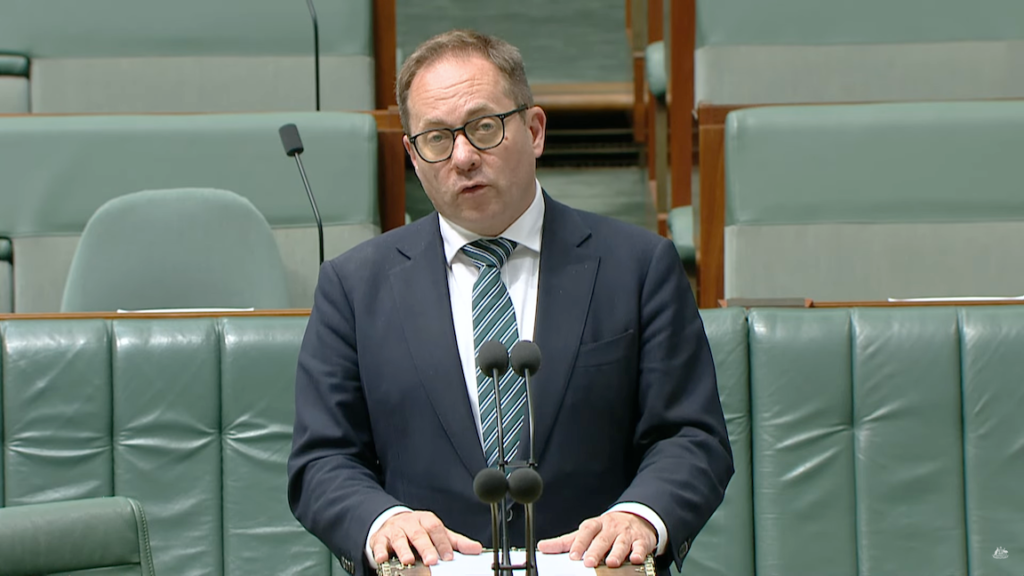
“Across the world, digital assets are reshaping finance,” Mulino said. “Australia must keep pace. If we get this right, we can attract investment, create jobs, and position our financial system as a leader in innovation.”
The Treasury’s September consultation revealed cautious support from the local crypto industry, though many participants called for simplification and clearer guidelines.





Two New License Types and Safeguards
The bill introduces two new financial products: a digital asset platform and a tokenized custody platform, both requiring an AFSL. Platforms will need to meet ASIC’s minimum standards for transactions, settlements, and the holding of customer assets. Companies must also provide clients with clear guides explaining their services, fees, and risks.
Small-scale operators—defined as those with less than 10 million AUD ($6.5 million) in annual transaction volume or those dealing in crypto incidentally—will be exempt from licensing. An 18-month grace period gives businesses time to comply.
Next Steps for the Bill
The legislation is expected to pass quickly in the House of Representatives, where Prime Minister Anthony Albanese’s Labor Party holds a majority. It will then move to the Senate, where crossbench and opposition support may be needed for approval.
Mulino emphasized that the bill focuses on companies that hold crypto for clients, rather than the technology itself, allowing regulation to evolve alongside new forms of tokenization and digital services.



























Comments are closed.