



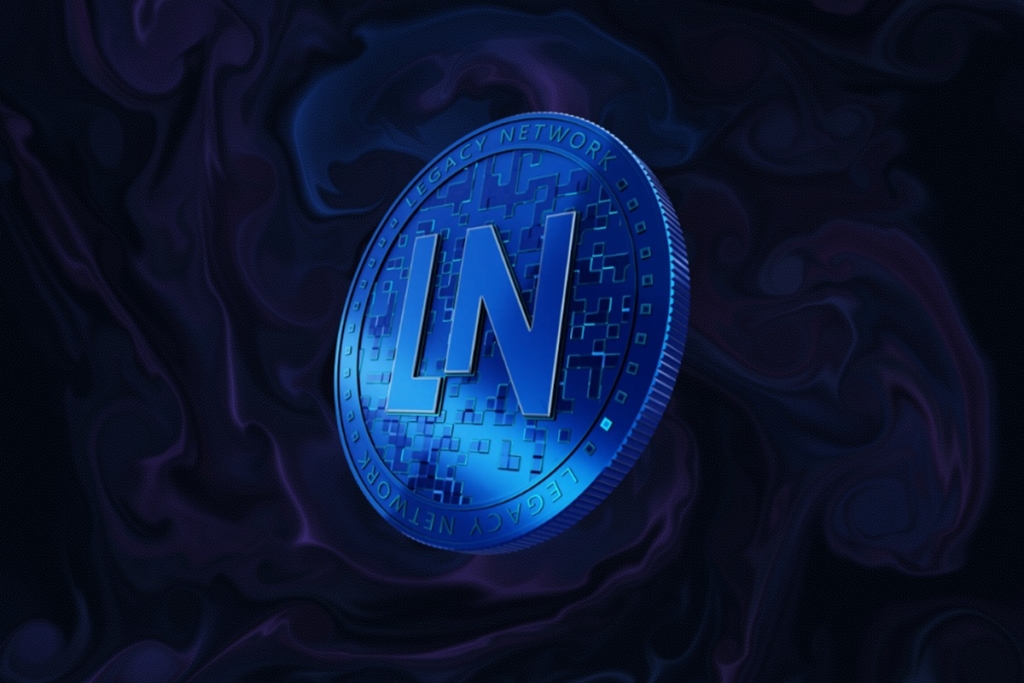

In the crowded field of Web3 tokens, Legacy Network’s $LGCT is trying a different approach: tying its value directly to subscription revenue from its Legacy Academy app. The key mechanism is a buyback-and-burn system, designed to translate every new learner into buy-side pressure on the token.
Featured News Headlines
The Subscription Loop
Here’s how it works:
- Each subscription to the Legacy Academy is tracked via RevenueCat.
- An API call triggers an automatic on-chain purchase of LGCT tokens.
- Those tokens are immediately sent to a burn address, permanently reducing supply.
This creates a loop where app growth fuels token scarcity. As the company describes it, “the more users join the Academy, the stronger LGCT becomes”.
Transparency By Design
Unlike vague promises of “token utility” common in Web3, Legacy has built its system to be publicly verifiable. Wallet addresses used for buybacks will be published, and every transaction can be tracked on-chain.



The mechanism also runs on Base, an Ethereum Layer-2 chain, offering speed and lower fees. A configurable delay of up to 24 hours can be introduced to mitigate chargeback risks, but the default is near real-time execution.
Why This Matters
Deflationary mechanisms aren’t new in crypto. What sets LGCT apart is that its burn cycle is backed by recurring revenue from a mainstream app, not speculation.
The Legacy Academy has already reached 1M+ downloads with users averaging 20+ minutes per day, a level of engagement that rivals or exceeds major EdTech players.
Each of those minutes spent learning translates into a business model that strengthens LGCT’s fundamentals.
The Flywheel Effect
Legacy frames the system as a flywheel:
- Marketing grows Academy adoption.
- Adoption drives more subscriptions.
- Subscriptions trigger token buybacks and burns.
- Increased on-chain activity attracts traders and investors.
- More token visibility leads to listings, which bring in new users.
It’s a cycle designed to reinforce itself over time
A Different Kind of Web3 Utility
For investors, the appeal is that LGCT connects real-world activity to tokenomics. In a market dominated by narratives and speculation, the ability to point to on-chain proof of revenue-linked burns offers a rare trust signal.
The Road Ahead
Whether the buyback-and-burn flywheel can withstand the volatility of crypto markets will depend on Legacy’s continued user growth. With a $600M company valuation conducted by PwC, upcoming listings, and compliance with Europe’s MiCA framework, the fundamentals appear aligned for expansion.For now, Legacy’s model presents a novel answer to a familiar question: how do you give a token real, recurring demand?





















Comments are closed.