




Featured News Headlines
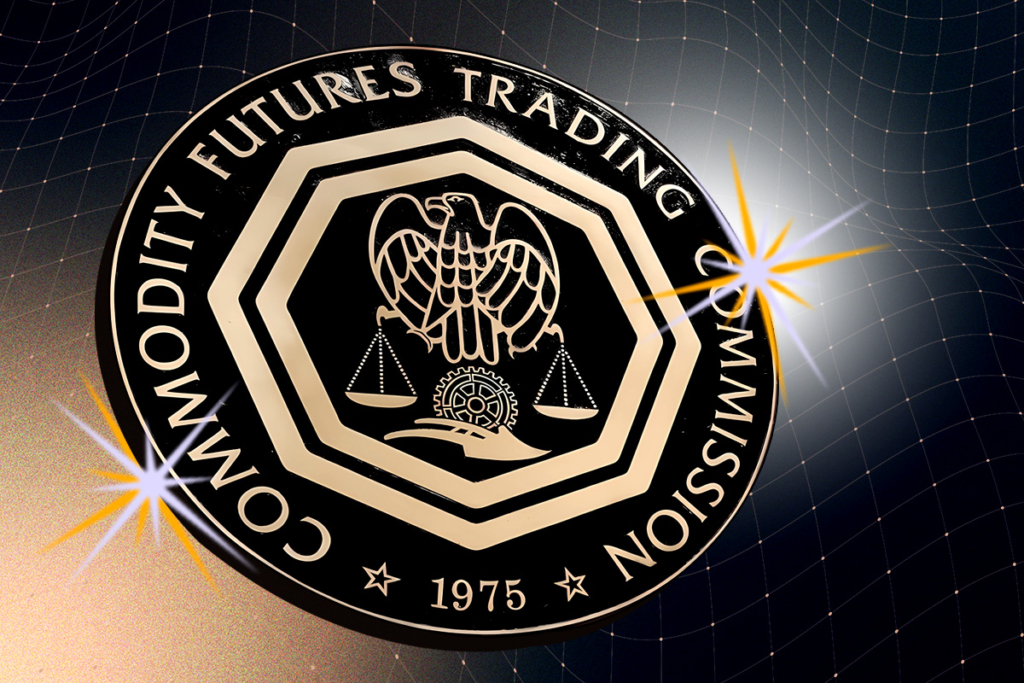
CFTC Clarifies Path for International Crypto Platforms to Enter US Market
CFTC – The Commodity Futures Trading Commission has delivered a game-changing announcement that could reshape America’s cryptocurrency trading landscape. In a move announced Wednesday, the regulatory body issued fresh guidance allowing non-US exchanges to legally provide direct market access to American traders through established registration pathways.
New Pathway for International Platforms
The August 28th advisory reinforces the existing Foreign Board of Trade (FBOT) registration framework, which operates under CFTC Part 48 regulations. This system offers foreign platforms a streamlined alternative to the more complex Designated Contract Markets registration process, covering all asset classes including digital assets.
Acting CFTC Chair Caroline D. Pham positioned this development as a cornerstone of the agency’s “crypto sprint” initiative under the current administration. The goal is modernizing regulatory frameworks that have become outdated in today’s fast-evolving digital marketplace.
Breaking Down Regulatory Barriers
For years, uncertainty surrounding registration requirements created a compliance minefield for offshore crypto platforms. Major exchanges like Binance, Bybit, and OKX operated in regulatory gray areas, while domestic platforms such as Coinbase and Kraken faced stricter oversight requirements.





The FBOT model, which has functioned since the 1990s, permits US customers to trade on foreign markets that maintain comparable regulatory standards in their home countries. This approach balances market access with regulatory oversight.
What This Means for US Traders
American cryptocurrency enthusiasts could soon gain access to international liquidity pools and expanded product offerings through CFTC-regulated intermediaries, including futures commission merchants and introducing brokers. This registered access model maintains government oversight while expanding trading opportunities.
However, unregistered access remains prohibited, and exchanges must maintain physical operations outside US borders to qualify for FBOT status. The guidance clarifies existing rules rather than creating new regulations, aiming to reduce market uncertainty and encourage legitimate business operations.

























Comments are closed.