




Featured News Headlines
World Liberty Financial Expansion Sparks Questions About Compliance and Security
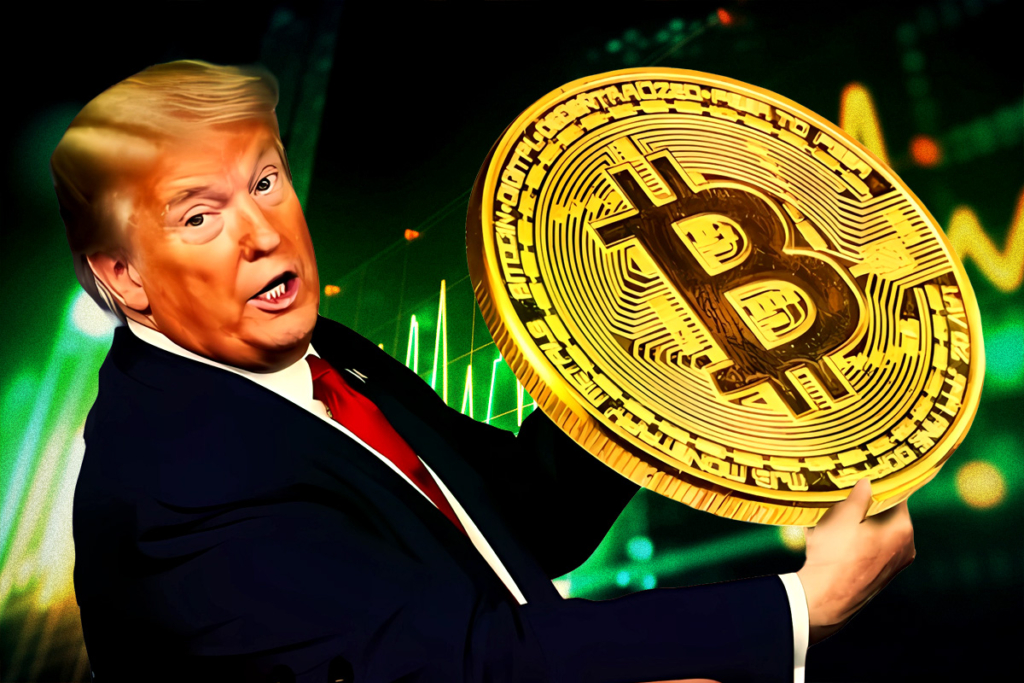
World Liberty Financial (WLFI), a crypto firm closely linked to U.S. President Donald Trump and his family, is under fresh political scrutiny after two Democratic senators called for federal investigation over alleged connections to sanctioned entities in North Korea and Russia.
Senators Warn of National Security Risks
In a letter to Attorney General Pamela Bondi and Treasury Secretary Scott Bessent, Senators Elizabeth Warren and Jack Reed raised concerns that WLFI token sales may have exposed U.S. national security. The senators cited evidence that WLFI governance tokens were purchased by blockchain addresses tied to foreign actors, including the Lazarus Group, a North Korean state-backed hacking operation, and a sanctioned Russian sanctions-evasion tool.
The lawmakers argued that these sales potentially gave adversaries governance rights within the WLFI protocol. They also highlighted that three-quarters of WLFI token-sale revenue flows directly to the Trump family, raising potential financial conflicts of interest for administration officials.
WLFI Denies Allegations
WLFI denied wrongdoing, emphasizing that it conducts rigorous AML/KYC checks and has rejected millions of dollars from buyers who fail compliance screenings. Donald Trump, Eric Trump, Donald Trump Jr., and Barron Trump are listed as co-founders or co-founders emeritus, while the Trump-affiliated DT Marks DEFI LLC holds over 22.5 billion WLFI tokens, valued at more than $3 billion.



Possible False Positives Raise Doubts
Blockchain researcher Nick Bax reviewed the transactions cited in the watchdog report and concluded that some alleged North Korea-linked purchases were false positives. He explained that a joke memecoin contract, Dream Cash, routed tokens automatically from addresses labeled as Lazarus Group, and independent users claiming the tokens were not actually interacting with sanctioned entities.
Rapid Expansion Sparks Regulatory Attention
WLFI’s plans for a debit card, tokenized commodities, and its use of a USD1 stablecoin in a $2 billion Binance investment have amplified regulatory and political scrutiny. Experts warn that weak compliance controls could supercharge illicit finance activity if left unchecked.
As WLFI navigates increasing political and regulatory pressure, the true impact of these allegations remains under debate, highlighting the fine line between blockchain innovation and national security concerns.














Comments are closed.