



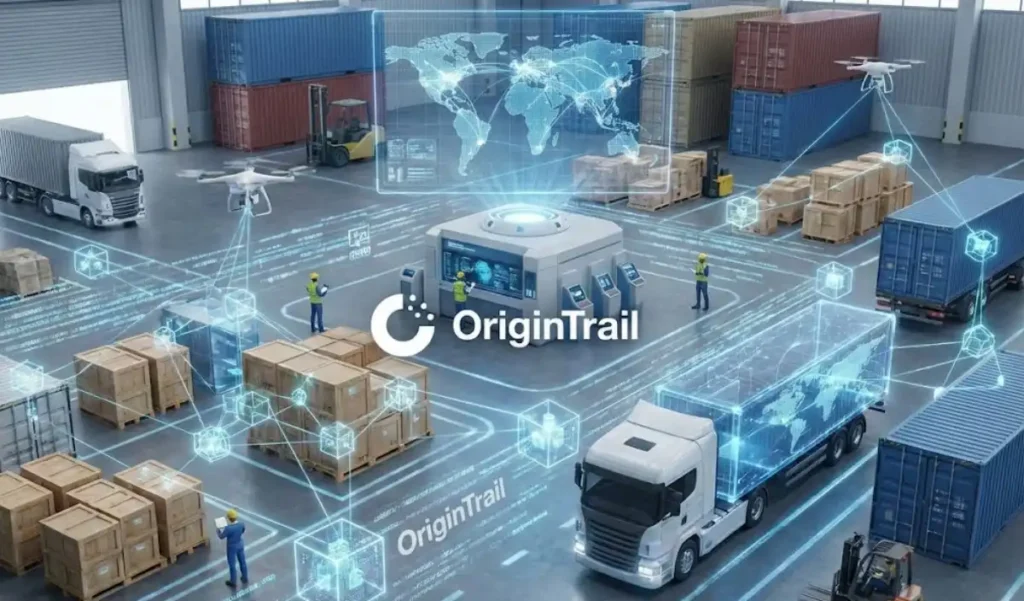

OriginTrail is a decentralized technology platform that is revolutionizing the field of supply chain management and information sharing. Simply put, it is a protocol that leverages the power of blockchain technology to enhance the trustworthiness, transparency, and traceability of products and data in the physical world. The project’s native cryptocurrency is the TRAC token.
Today’s global supply chains are incredibly complex and often lack transparency. Crucial information, such as where a product originated, which stages it passed through, and what its quality is, is typically held within isolated systems. OriginTrail builds a bridge that consolidates this fragmented information, ensuring every stakeholder—including manufacturers, logistics providers, retailers, and consumers—can access the same, verified, and tamper-proof information.
Featured News Headlines
The Core Problem and OriginTrail’s Solution
1. Pain Points in the Supply Chain
Traditional supply chain systems face significant challenges, including:
- Lack of Transparency: Consumers cannot be sure whether their products were ethically sourced or if they are counterfeit.
- Data Silos: Each company keeps data within its own system, which hinders collaboration and slows down information flow.
- Trust Issues: Documents such as source, provenance, and quality certificates can be easily forged or altered.
- Traceability Difficulties: In the event of a recall, it can be nearly impossible to quickly and accurately track a product’s movement throughout the supply chain.
2. OriginTrail’s Revolutionary Solution: The Decentralized Knowledge Graph (DKG)
OriginTrail addresses these issues using a unique architecture called the Decentralized Knowledge Graph (DKG). The DKG is essentially a hybrid of a Web3 search engine and a database.





- Data Interconnection: The DKG connects diverse datasets and sources within the supply chain, establishing meaningful relationships between them. Much like Google links web pages, the DKG links physical assets, locations, certifications, and events in the real world.
- Blockchain Security: This information is securely stored and validated by nodes operating on compatible blockchains, such as Ethereum and Polkadot. This ensures that the information is immutable and censorship-resistant.
- Accessibility: Companies can use designed standards (like GS1) to easily connect their existing enterprise systems (ERP, WMS, etc.) to the OriginTrail protocol. This facilitates technology adoption.
The Role of the TRAC Token: The Protocol’s Fuel
TRAC is the native utility token of the OriginTrail network and is critical for the seamless operation of the ecosystem. Everything in OriginTrail is incentivized and paid for using TRAC.
| Role | Mechanism | TRAC Usage |
| Data Uploader (Consumer) | Uploading and maintaining supply chain data on the network. | Pays TRAC as a service fee. |
| Network Node Operator (Provider) | The computers that run the DKG, storing data and ensuring its veracity. | Earns TRAC in exchange for the collateral (staking) provided. |
| Staking/Collateral | Node operators stake TRAC to guarantee the quality of their service. | They forfeit their stake if they act maliciously; they are rewarded when they act honestly. |
In Summary: The TRAC token serves as the incentive and payment mechanism for reliable data storage and access services within the knowledge graph. This is what keeps the network decentralized and trustworthy.
Use Cases and Real-World Examples
OriginTrail extends far beyond just tracking food. Its modular structure allows for application across a wide range of sectors:
1. Supply Chain and Food Safety
OriginTrail enables companies to instantly verify the source of their food and reduce recall times to minutes. Consumers can scan a QR code and see the exact farm their apple came from, which substances were used, and when it was harvested.
2. Anti-Counterfeiting and Brand Protection
For products prone to counterfeiting, such as luxury brands, artwork, and pharmaceuticals, their unique identifiers can be recorded on the DKG, allowing consumers to instantly verify the product’s authenticity.
3. Defense and Public Sector
Partnerships, such as those with the U.S. Department of Defense (DoD), indicate that OriginTrail technology is being used to track the source and maintenance history of critical parts in military supply chains. Trusted information sharing is of paramount importance here.
4. NFTs and Digital Assets
OriginTrail can demonstrably establish the link between a digital asset (NFT) and the physical asset it represents (e.g., a piece of art or a luxury watch). This provides NFTs with real-world utility and verifiable provenance.
Why OriginTrail Matters (Web3 and Enterprise Adoption)
The most important feature that sets OriginTrail apart from other blockchain projects is its focus on enterprise adoption and its embrace of existing industry standards, especially GS1.
- Standards Compliance: OriginTrail is fully compliant with the globally used GS1 standards in the supply chain. This means large corporations can integrate it without making massive changes to their existing infrastructure.
- Metaverse/Web3 Infrastructure: The DKG acts as a “bridge of truth,” connecting data between the physical and digital worlds. For Metaverse or Web3 environments, the DKG provides critical infrastructure for ensuring the reliability of a digital asset’s (NFT’s) real-life counterpart.
The Trusted Information Network of the Future
OriginTrail (TRAC) is not just a cryptocurrency or a simple blockchain project; it is a fundamental protocol that is re-architecting the information structure of global supply chains and the internet itself. The Decentralized Knowledge Graph (DKG) is establishing a backbone that enables companies, governments, and consumers worldwide to operate in a more transparent, trustworthy, and efficient manner.

























Comments are closed.