



Featured News Headlines
- 1 What is Monad (MON)?
- 2 Monad (MON) Fundamentals: High-Speed EVM Compatibility
- 3 The Technical Architecture That Makes Monad Unique
- 4 The MON Coin: The Heart and Fuel of the Network
- 5 Founding Team and Funding
- 6 Monad’s Significance for the Crypto Ecosystem
- 7 How to Invest in Monad and Participate in the Ecosystem
- 8 Conclusion: Monad, the Promise of a Blockchain Renaissance
What is Monad (MON)?
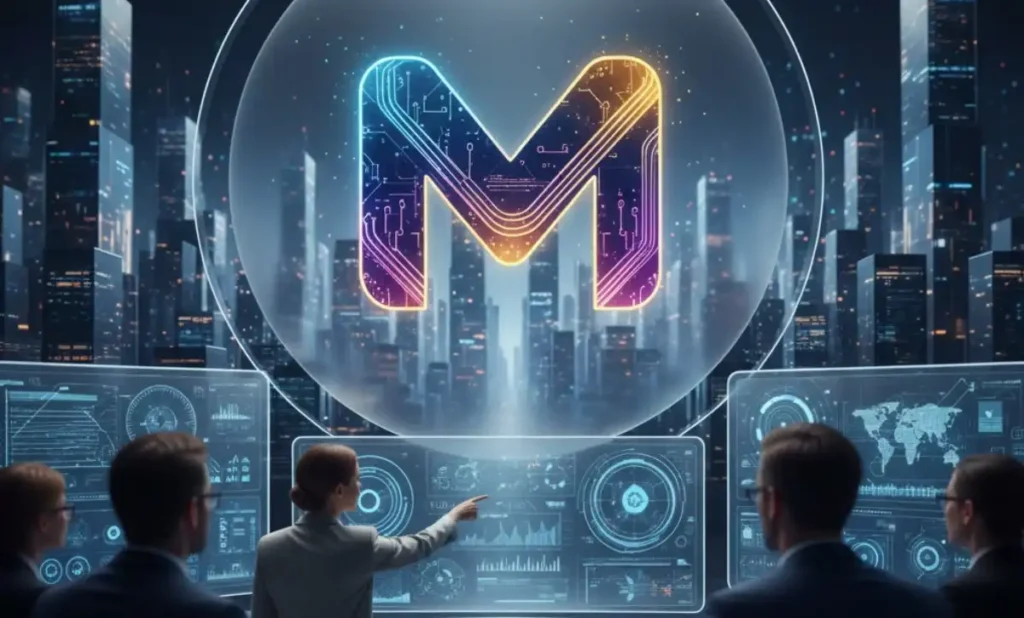
The crypto and blockchain technologies have sparked a revolutionary transformation in the world of finance and technology in recent years. However, the greatest obstacle to the technology’s widespread adoption has been the “Blockchain Trilemma”: Decentralization, Security, and Scalability. Traditionally, a blockchain has only been able to optimise two of these three features. It is at this critical juncture that Monad (MON), a next-generation Layer-1 blockchain network that has entered the crypto scene with an ambitious promise to solve this trilemma, takes the stage.
So, what exactly is Monad (MON), what are the fundamental technological differences that set it apart from thousands of other crypto projects, and why is it considered so crucial for the future Web3 ecosystem?
Monad (MON) Fundamentals: High-Speed EVM Compatibility
Monad is a decentralised Layer-1 blockchain that promises high performance, speed, and full Ethereum Virtual Machine (EVM) compatibility. The project’s core objective is to fundamentally resolve the scalability issue while retaining the immense advantages of Ethereum’s robust community, developer tools, and established ecosystem.
The key figures and features promised by Monad are impressive:





- 10,000 Transactions Per Second (TPS): Monad aims to execute tens of thousands of transactions securely and decentrally per second, offering a speed capable of competing with today’s fastest Layer-1 solutions.
- Full EVM Bytecode Compatibility: This is one of Monad’s most potent features. It means that decentralised applications (dApps) and smart contracts originally developed on Ethereum can be migrated to the Monad network with zero code changes. This creates enormous ease for developers and has the potential to draw Ethereum’s existing liquidity to Monad.
- Instant Finality and Low Fees: High speed translates into near-instant transaction finality, and by preventing network congestion, transaction fees are targeted to be kept at a minimum level.
The Technical Architecture That Makes Monad Unique
What elevates Monad from merely being another fast Layer-1 network to a potential “game-changer” in the industry is the innovation embedded in its core architecture. While Ethereum processes transactions in a sequential (one-after-the-other) manner, Monad employs two critical techniques to boost efficiency: Parallel Execution and Optimistic Concurrency Control (OCC).
1. Parallel Execution
In traditional blockchains (like Ethereum), every transaction within a block waits until the previous one is completed. This is akin to travelling on a single-lane road. Monad, however, utilises a mechanism called Parallel Execution. This allows independent transactions on the network (i.e., those that do not affect each other’s state) to be processed simultaneously, or concurrently. This results in a massive increase in transaction throughput (TPS).
2. Optimistic Concurrency Control (OCC) and Software Transactional Memory (STM)
While parallel execution sounds brilliant, the handling of conflicting transactions (those attempting to modify the same account or smart contract state) is a critical challenge. Monad solves this problem using two advanced techniques borrowed from database management systems:
- Optimistic Concurrency Control (OCC): Monad first executes transactions optimistically in parallel, assuming they are “unlikely to conflict.” After execution, it checks the data the transaction read and wrote.
- Conflict Resolution: If a conflict (two transactions trying to modify the same data) is detected during execution, the system automatically re-sequences and re-runs the conflicting transactions. This mechanism ensures maximum parallelism without compromising security.
These two mechanisms combine to give Monad the ability to overcome the performance bottlenecks typically seen in high-throughput networks while remaining faithful to Ethereum’s philosophy of security and decentralisation.
The MON Coin: The Heart and Fuel of the Network
The MON Coin is the native cryptocurrency of the Monad blockchain network. It plays a vital role in the network’s smooth operation, governance, and economic incentive mechanism.
Core Functions of MON Coin:
- Transaction Fees (Gas): Every transaction, smart contract interaction, and data storage operation on the network is paid for using the MON coin.
- Staking and Security: Monad employs a “Proof-of-Stake” (PoS) mechanism. Validators and delegators who wish to secure the network stake (lock up) their MON coins, contributing to network security and earning rewards in return.
- Governance: MON coin holders have the right to vote on critical decisions regarding the platform’s future. This ensures that Monad evolves in a decentralised, community-driven manner.
Founding Team and Funding
The reliability and potential of any blockchain project are closely linked to the expertise of the team behind it and the investments it has received. The founding team of Monad Labs consists of seasoned professionals with extensive experience in the sector’s most respected financial and technology institutions, particularly in the high-frequency trading (HFT) domain.
- Significant Funding: Monad successfully raised a remarkable $225 million investment from leading venture capital firms. This substantial funding is a concrete indicator of the high confidence placed in the project’s technology and the speed of its ecosystem development. This robust support reinforces Monad’s potential to be a long-term player in the Web3 ecosystem.
Monad’s Significance for the Crypto Ecosystem
Beyond merely being another fast blockchain, Monad aims to solve several critical issues for the future of Web3:
- Removing Developer Limitations: EVM compatibility ensures that existing dApps on Ethereum can migrate to Monad without concerns about speed and efficiency. It eliminates the necessity for developers to rewrite their code.
- Improving User Experience: High TPS and low transaction fees prevent users from facing issues such as slow confirmation times or exorbitant Gas fees. This is crucial for high-interaction applications like gaming, decentralised exchanges (DEXs), and NFT marketplaces.
- Collaboration Over Maximalism: Monad positions itself as a solution that strengthens the Ethereum ecosystem rather than simply competing with it. This collaborative approach is vital for the overall adoption of Web3.
How to Invest in Monad and Participate in the Ecosystem
The launch process of the Monad coin (MON) (the Token Generation Event – TGE) is generally anticipated with great interest.
- Token Launch: The MON coin will typically be listed on major cryptocurrency exchanges in the initial phase. Investors will be able to purchase MON using fiat currency or other cryptocurrencies via these exchanges.
- Staking: After the launch, MON holders can contribute to network security and earn passive income by staking their coins.
- dApp Utilisation: Once the Monad mainnet goes live, you can directly contribute to the ecosystem’s growth by using the decentralised finance (DeFi) applications, games, and other dApps built on the network.
Conclusion: Monad, the Promise of a Blockchain Renaissance
Monad (MON) is an ambitious and technically deep project that raises the bar for both speed and compatibility in the cryptocurrency universe. This EVM-compatible Layer-1 network, powered by innovative techniques like Parallel Execution and Optimistic Concurrency Control, aims to open the doors to a new era of efficiency for Web3 applications by transcending the blockchain trilemma.
Monad represents not just a technical innovation, but a vision to merge the established ecosystem of Ethereum with the high-performance architectures of the next generation. For crypto investors and Web3 developers alike, Monad is a revolutionary project with high potential that should be closely monitored in the near future.























[…] – Scammers wasted little time targeting the newly launched Monad blockchain, rolling out spoofed token transfers less than two days after the network and its MON token went […]
[…] native token of the newly launched Layer-1 blockchain, Monad, experienced further declines on Thursday amid volatility that has persisted since its debut just […]