



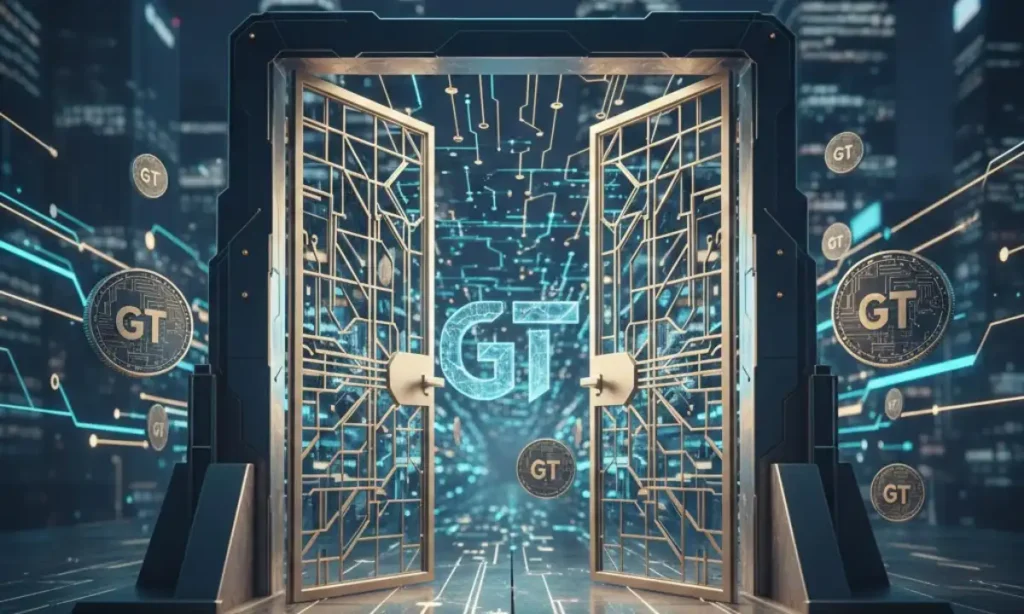

When you examine the portfolios of seasoned cryptocurrency investors, you will often spot a common strategy: a significant allocation to exchange tokens. Just as BNB serves as the lifeblood of the Binance ecosystem, GateToken (GT) represents the beating heart of Gate.io, one of the world’s oldest and most extensive cryptocurrency exchanges.
In this guide, we won’t simply define GT as “just another cryptocurrency.” We will dive deep into the technology behind it, the tangible benefits it offers investors, the GateChain infrastructure, and why its “deflationary” nature makes it a unique asset class.
Featured News Headlines
What Exactly is GateToken (GT)?
In its simplest definition, GateToken (GT) is the native utility token of the Gate.io exchange. However, labeling it merely as an “exchange coin” would be a disservice. GT is also the primary fuel powering GateChain, a high-performance blockchain focused on security and decentralized trading.
Launched in 2019, GT initially made its debut as an ERC-20 token on the Ethereum network. Since then, it has evolved, migrating to its own independent Mainnet to become a fully-fledged crypto asset.





What sets GT apart from the crowd is the entity standing behind it. It is backed by Gate.io, a platform with massive trading volume, profitability, and a long-standing history. This foundation ensures that the token’s value is driven not just by speculation, but by the tangible growth and utility of the ecosystem it serves.
The GateChain Infrastructure: Speed and Security
To truly understand GT, one must understand the “highway” it runs on: GateChain. This is a next-generation public blockchain designed specifically to solve issues related to asset safety and decentralized trading.
One of the most revolutionary features GateChain introduced is the “Vault Account.” This is an on-chain security mechanism that allows for the retrieval of stolen assets or the revocation of abnormal transactions within a specific window of time. GT is used to pay the transaction fees (Gas fees) on this network. Consequently, as the network usage intensifies, the demand for GT rises in tandem.
What Are the Benefits of Holding GT?
Why should investors hold GT in their portfolios? The answer lies in the token’s “Utility.” Gate.io treats GT holders with what is essentially VIP status within the platform.
1. Trading Fee Discounts
In crypto trading, commissions are the biggest hidden cost. When you hold a specific amount of GT on Gate.io—or choose to pay your fees using GT—you secure significant discounts on standard commission rates. For a high-frequency trader, this can translate into thousands of dollars in savings over the long run.
2. Access to Gate.io Startups (Presales)
This is perhaps the most compelling reason to hold GT. Gate.io is renowned for its “Startup” platform, where projects that are just about to launch are listed.
- GT holders earn the right to participate in these new projects via “Airdrops” (free tokens) or at very low entry costs, based on their VIP level.
- The more GT you hold, the larger your “share” or allocation.
- Many investors stake GT solely to generate this steady stream of passive income from Startup projects.
3. VIP Tier Upgrades
Your VIP level on Gate.io doesn’t just impact commissions; it also dictates the events you can participate in, your withdrawal limits, and the number of sub-accounts you can manage. The most direct and efficient way to boost your VIP status is to increase the amount of GT in your wallet.
GateToken Economics: Burning and Deflation
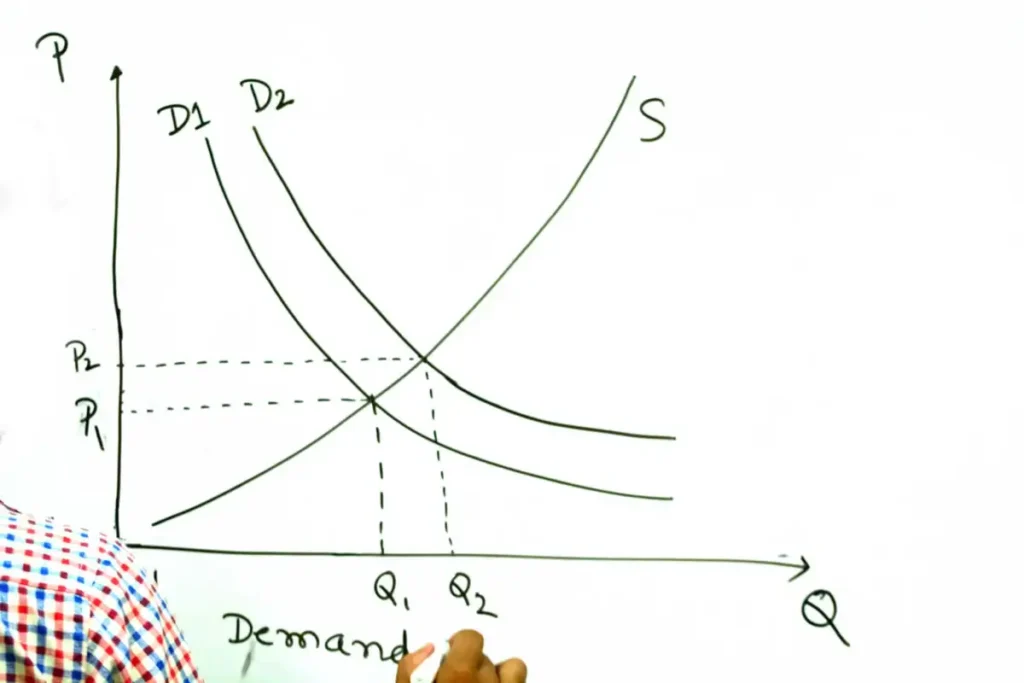
The most critical factor determining a cryptocurrency’s value is the balance of supply and demand. GateToken follows a deflationary model. But what does that actually mean?
Gate.io regularly uses a portion of the platform’s profits to buy back GT from the open market and “burn” it. Burning involves sending these tokens to an inaccessible address, permanently removing them from circulation.
- Total Supply Decreases: The amount of GT in circulation is constantly dropping.
- Value Potential Increases: Even if demand remains constant, a reducing supply theoretically leads to an appreciation in unit price.
This buy-back and burn mechanism signifies that the exchange shares its commercial success directly with token holders. The more the exchange earns, the more GT is burned.
Comparing GateToken (GT) to Other Exchange Tokens
When we stack GT against competitors like BNB, KCS, or OKB, certain opportunities and distinctions emerge:
- The Advantage: Gate.io is one of the premier exchanges for listing “Gems”—undiscovered altcoins—earlier than anyone else. Being the token of such an ecosystem gives GT a dynamic edge.
- The Opportunity: Compared to the native tokens of other massive exchanges, GT often has a lower Market Cap. Astute investors might interpret this as having a higher growth ceiling (or “X potential”) compared to more mature assets.
- The Ecosystem: GateChain is EVM (Ethereum Virtual Machine) compatible. This means projects on Ethereum can easily migrate to GateChain, further driving GT utility.
How to Buy and Store GateToken
Acquiring GT is straightforward. Naturally, the highest liquidity and easiest processing are found on Gate.io.
- Register on Gate.io and complete the identity verification (KYC) process.
- Deposit USDT or another cryptocurrency into your account.
- Navigate to the “Spot Trading” menu and select the GT/USDT pair.
- Enter the amount you wish to purchase and execute the buy order.
Storage: Keeping your purchased GT on the exchange allows you to benefit from Startup perks. However, if you prefer long-term, extra-secure storage, you can use hardware wallets (like Ledger) that support GateChain, or Web3 wallets like Trust Wallet and MetaMask (by manually adding the network settings).
Is Investing in GT Logical?
GateToken (GT) stands as a powerful actor in the crypto market, bolstered by a veteran exchange operating since 2013, a continuously shrinking supply structure, and robust technological infrastructure in GateChain.
For investors who actively use the Gate.io platform, wish to participate in new project launches (Startups), and aim to save on transaction fees, GT functions not just as an investment vehicle, but as a high-value “membership card.”
Market volatility must always be considered; however, exchange tokens often display more resilience than standard altcoins during bear markets, simply because the exchange’s commercial activities—and revenue generation—continue regardless of market direction.
If you believe in the Web3 world, Decentralized Finance (DeFi), and the future of exchange ecosystems, GateToken (GT) is a project that deserves a spot on your radar.
























Comments are closed.