




Featured News Headlines
- 1 What Is an ERC-20 Token and How Does It Work? A Simple Yet Complete Guide
- 1.1 What Is ERC‑20? A Quick Definition
- 1.2 The Role of ERC‑20 in the World of Cryptocurrencies
- 1.3 What Is the ERC‑20 Standard?
- 1.4 Key Features of ERC‑20 Tokens
- 1.5 How Do ERC‑20 Tokens Work?
- 1.6 Popular Examples of ERC‑20 Tokens
- 1.7 Differences Between ERC‑20 and Other Token Standards
- 1.8 How to Create an ERC‑20 Token: A Step-by-Step Guide
- 1.9 Advantages and Disadvantages of ERC‑20
- 1.10 The Future of ERC‑20: Evolving Standards and Layer 2 Solutions
What Is an ERC-20 Token and How Does It Work? A Simple Yet Complete Guide
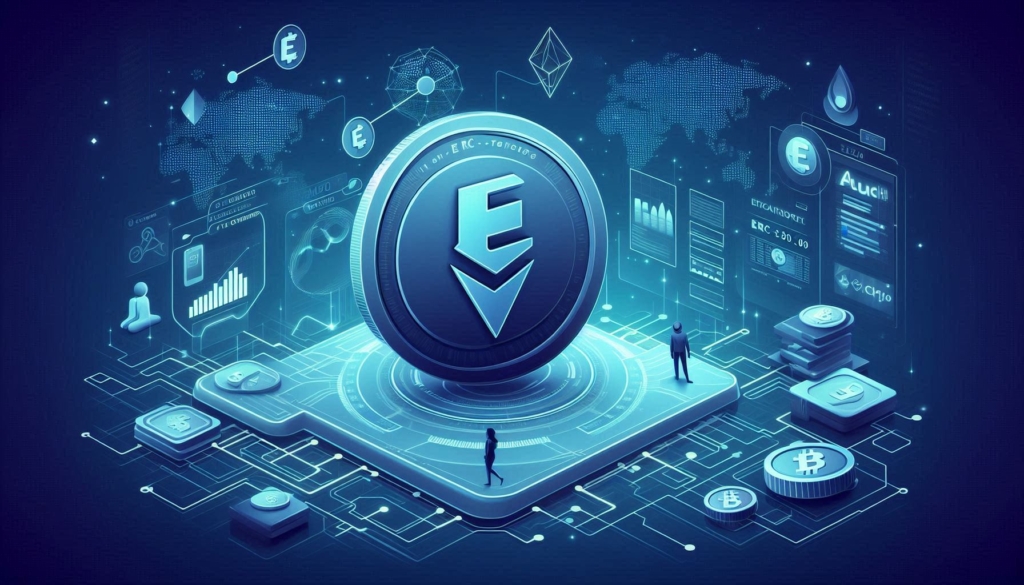
What Is an ERC-20 Token – The ERC‑20 standard transformed the world of cryptocurrency tokens on Ethereum, making the creation, transfer, and exchange of tokens seamless. But what exactly is ERC‑20, and why has it become fundamental to decentralized finance and token ecosystems?
What Is ERC‑20? A Quick Definition
At its core, ERC‑20 is a technical protocol defining a standard set of rules for creating tokens on the Ethereum blockchain. Introduced in 2015 by Vitalik Buterin and community contributors, it established a uniform interface for fungible tokens, enabling developers and wallets to interact consistently with a diverse range of tokens.
The Role of ERC‑20 in the World of Cryptocurrencies
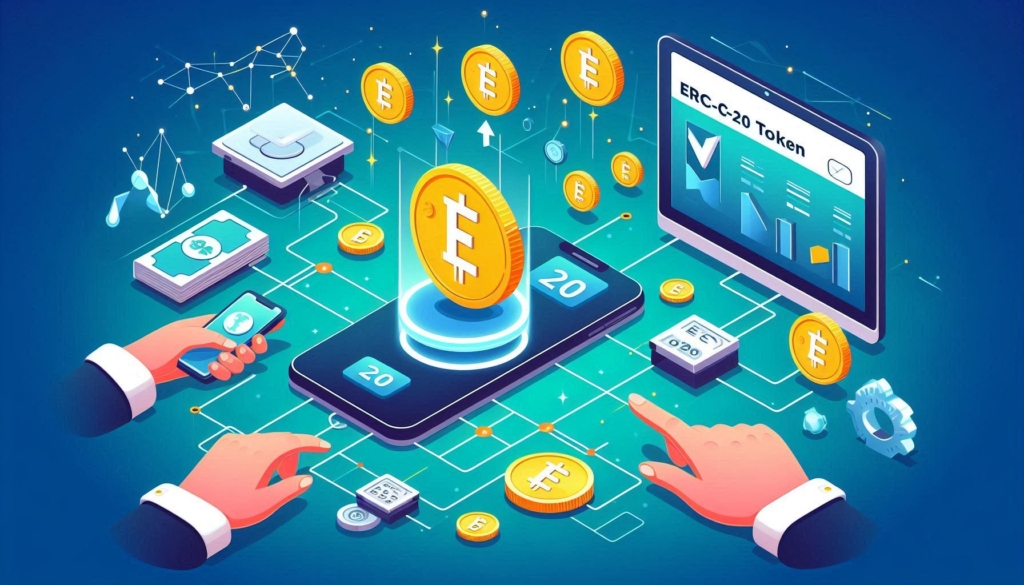
ERC‑20’s importance lies in its interoperability. By adhering to the same interface, tokens enjoy automatic compatibility with wallets and decentralized exchanges. This standardization unlocked a wave of innovation, paving the way for DeFi, yield farming, and tokenized assets.
What Is the ERC‑20 Standard?
The ERC‑20 standard defines essential functions: the ability to transfer tokens, check balances, and authorize third parties (allowance). By enforcing these common operations, ERC‑20 separates token logic from Ethereum’s core protocol, allowing thousands of projects to build on the same foundation.





Key Features of ERC‑20 Tokens
ERC‑20 tokens are fully transferable, and users can easily view balances in any compatible wallet. The allowance mechanism enables decentralized applications to spend tokens on behalf of users, and powerful smart contract integrations make programmable financial logic possible.
How Do ERC‑20 Tokens Work?
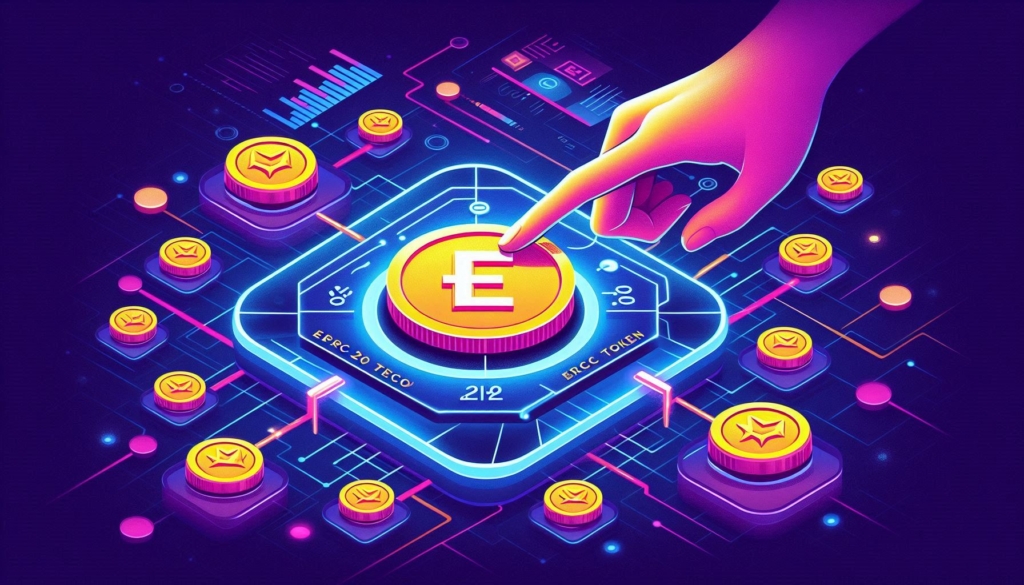
These tokens are implemented via smart contracts on the Ethereum blockchain. Wallets connect to the contract using its address, and gas fees—measured in ETH—cover the cost of executing operations. Depending on network activity, users may pay more or less in fees to complete token transfers or contract interactions.
Popular Examples of ERC‑20 Tokens
Among the thousands of ERC‑20 tokens, some of the most recognized include Chainlink (LINK), Uniswap (UNI), Shiba Inu (SHIB), and early versions of Tether (USDT)—each playing a unique role in DeFi, liquidity, memecoin culture, and stablecoin infrastructure.
Differences Between ERC‑20 and Other Token Standards
ERC‑20 defines fungible tokens, meaning each unit is identical. In contrast, ERC‑721 is the standard for non‑fungible tokens (NFTs), where each token is unique. The ERC‑1155 standard allows a hybrid approach for both fungible and non‑fungible assets. Each makes sense in different contexts—ERC‑20 for currencies, ERC‑721 for art or collectibles, and ERC‑1155 for versatile use cases.
How to Create an ERC‑20 Token: A Step-by-Step Guide
Creating an ERC‑20 token involves writing a simple contract in Solidity, deploying it via tools like Remix IDE or Hardhat, and testing on a testnet using MetaMask. After deployment, your token is live on Ethereum, compatible with any standard wallet or exchange.

Advantages and Disadvantages of ERC‑20
ERC‑20 shines with broad wallet support and seamless compatibility with decentralized exchanges. On the flip side, it inherits common Ethereum issues: scalability bottlenecks and high gas fees during network congestion.
The Future of ERC‑20: Evolving Standards and Layer 2 Solutions
With the arrival of Ethereum 2.0, layer 2 scaling solutions like Arbitrum and Optimism, and new token standards like ERC‑223 and ERC‑777, the ERC‑20 ecosystem continues to evolve—promising faster, cheaper, and more feature-rich tokens in the years ahead.
The ERC‑20 standard did more than define a token interface—it launched a revolution in token innovation. For developers and crypto enthusiasts, ERC‑20 remains essential, enabling interoperable, programmable tokens. While challenges remain, this standard stands as one of blockchain’s most pivotal achievements. Understanding ERC‑20 is a must for anyone exploring tokens, smart contracts, or decentralized finance in today’s ecosystem.
Disclaimer: This article is for informational purposes only and does not constitute investment advice. Cryptocurrencies and stocks, particularly in micro-cap companies, are subject to significant volatility and risk. Please conduct thorough research before making any investment decisions.

























[…] in 2019, GT initially made its debut as an ERC-20 token on the Ethereum network. Since then, it has evolved, migrating to its own independent Mainnet to […]
[…] Token (BAT) is an open-source, decentralised, transparency-focused utility token based on the ERC-20 standard on the Ethereum blockchain. Yet, stripping away the technical jargon, BAT is essentially a […]