




Featured News Headlines
What is a Crypto Whale?
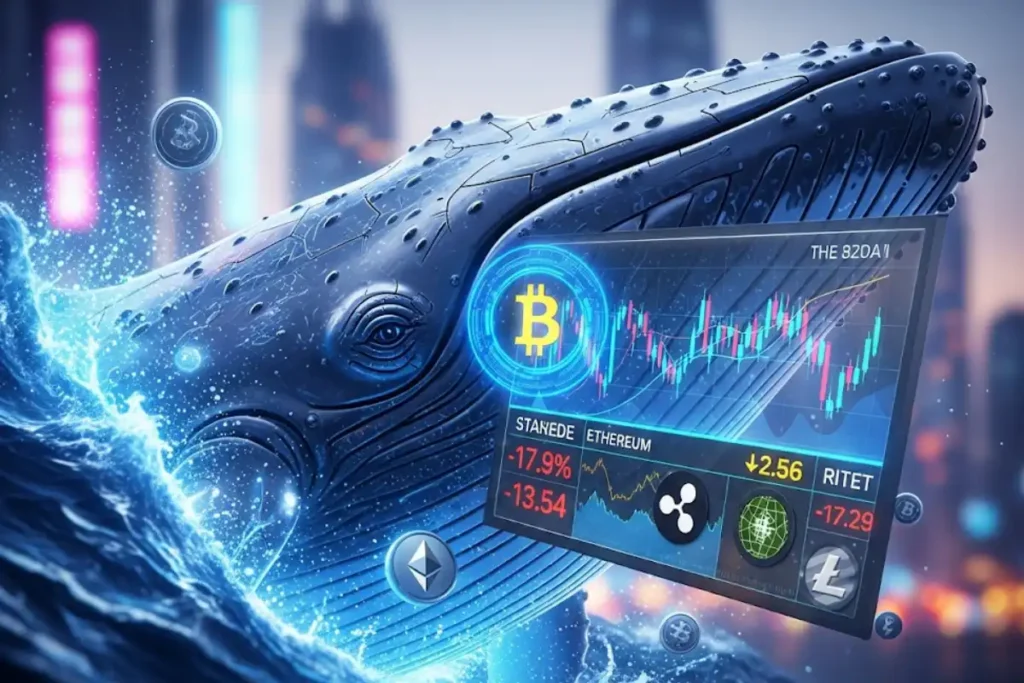
The cryptocurrency market has become one of the most talked-about topics among investors and financial circles worldwide. In this dynamic and rapidly changing market, the term “whale” is frequently heard, yet its full meaning remains unclear to many. So, what exactly is a crypto whale, and how do these colossal players influence the market’s direction?
What is a Whale? Definition and Characteristics
In the world of cryptocurrency, a whale is an individual or an institution that holds a very large amount of a specific cryptocurrency, typically a high-volume one like Bitcoin or Ethereum. The term is borrowed from the financial world’s use of “whale” and gets its name from the sheer size of these players, much like the giant whales of the ocean. While cryptocurrencies are generally decentralised, the concentration of a significant portion of the market value in the hands of a few large investors makes the existence of whales inevitable.
A crypto wallet is generally considered a “whale wallet” if it holds 1,000 or more Bitcoin (BTC). However, this definition can vary depending on the cryptocurrency and its market value. For instance, being an Ethereum (ETH) whale might require holding a much larger quantity of ETH. Whales are often early investors who have been in the market since the very beginning of Bitcoin, large institutional funds, crypto exchanges, and even some governments.
The most defining characteristic of a whale is their potential to create a manipulative or directional effect on the market. With the immense capital they control, they can place buy or sell orders of a magnitude that small investors could never manage. These orders can cause massive, instantaneous fluctuations in the market.





How Whales Affect the Crypto Market
Using the power of their capital, whales can influence the market in several ways, often leading to sharp and sudden price movements. Here are some of the most common methods whales use to affect the market:
1. Price Manipulation
The most well-known impact of whales is price manipulation. By selling off (dumping) a huge amount of crypto at once or buying a large quantity (pumping), they can move the market price in their desired direction.
- Pump (Raising the Price): A whale can cause a sudden price increase by making a single, massive purchase of a cryptocurrency. This rapid rise often triggers Fear of Missing Out (FOMO) among small investors, who rush to buy, pushing the price even higher. Once the price is sufficiently inflated, the whale can sell off their holdings at a high price, securing a significant profit.
- Dump (Lowering the Price): In the opposite scenario, a whale can cause a sudden price crash by releasing a large portion of their holdings onto the market all at once. This often leads to panic selling among other investors, driving the price down even further. The whale can then buy back their assets at a much lower “dip” price to maximise their profit.
2. Influencing Market Sentiment
The cryptocurrency market is highly sensitive to information, especially news and rumours spread through social media. Whales can leverage this to their advantage. They might use fake accounts on social media to spread positive or negative news about a specific asset, prompting small investors to make emotional decisions.
For example, a whale might spread misleading rumours like “major institutional funds are entering Bitcoin” to inflate the value of their holdings. Such rumours can create a positive sentiment in the market, paving the way for a price increase.
3. Directing Liquidity
Liquidity is a measure of how easily an asset can be bought or sold. Whales, with their immense capital, can direct liquidity as they please.
- Withdrawing Liquidity: By placing massive buy or sell orders, whales can suddenly remove liquidity from a specific trading pair. This can make it difficult for other investors to trade, especially in low-volume cryptocurrencies, and can cause the price to spike or crash suddenly.
- Providing Liquidity: In some cases, whales may provide liquidity to the market, helping the price to remain more stable. However, this action is typically driven by their own self-interest, with the aim of profiting later.
4. Over-the-Counter (OTC) Transactions
Another way whales influence the market is through Over-the-Counter (OTC) transactions. These are large-scale trades that happen directly between a buyer and a seller, without going through a regular crypto exchange.
A whale can sell millions of dollars worth of crypto to another whale or an institutional fund without the transaction appearing on a public exchange’s order book. While this doesn’t immediately affect the price, once the trade becomes known, it can influence market sentiment and lead to price movements. This method allows whales to manipulate the market discreetly.
Is It Possible to Track Whales?
Yes, thanks to the transparent nature of cryptocurrencies, it is possible to track whale movements, even if we don’t know who they are. While wallet addresses are anonymous, it’s possible to see how much crypto they contain and when and how much they’ve transferred.
- Blockchain Explorers: Blockchains like Bitcoin and Ethereum are public ledgers. Websites called blockchain explorers allow you to view all transactions and wallet balances on these ledgers. Through these sites, you can track movements in large wallet addresses known to belong to whales.
- Data Analytics Platforms: Several crypto data analytics firms (e.g., Glassnode, Santiment) have developed specialised tools to track whale movements and present this data in charts. These platforms provide insights like “whale activity is increasing” or “whales have started selling,” which can guide investors.
However, interpreting this data is not always straightforward. A large transfer from a whale wallet doesn’t necessarily mean a sell order; it could simply be the movement of assets to another wallet or a cold storage wallet.
Whales and Market Stability: Good or Bad?
While the impact of whales is often seen as manipulative and negative, the situation isn’t always so simple. Whales can have both positive and negative effects on the market.
Negative Effects:
- Price Volatility: Whale movements can increase volatility by causing sudden and sharp price swings. This raises the risks, especially for small investors.
- Deviation from Decentralisation: While the core purpose of cryptocurrencies is decentralisation, the fact that a large part of the market is in the hands of a few whales can make the market appear somewhat centralised.
- Loss of Trust: Whale manipulation can erode confidence in the market and deter new investors from entering.
Positive Effects:
- Providing Liquidity: Whales can provide liquidity to the market, which makes trading easier. High-volume trades can help the market function more smoothly.
- Price Discovery: By making large trades, whales can contribute to the discovery of an asset’s true value.
- Long-Term Stability: Some whales may follow a long-term strategy rather than engaging in short-term manipulation. Such whales can bring stability to the market. For instance, when a large institutional fund invests in a cryptocurrency, it can contribute to that coin’s long-term success.
How Small Investors Can Protect Themselves from Whales
Protecting yourself from the influence of whales is crucial, especially for small investors. Here are some strategies to mitigate these risks:
- Think Long-Term: Instead of focusing on short-term price fluctuations, establish a long-term investment strategy. Whale manipulations often cause short-lived price movements. Long-term investors are less affected by such volatility.
- Don’t Panic: Avoid panic selling during sudden price drops caused by whale movements. Before selling, carefully analyse the market and the overall trend. Remember, whales often profit from your panic.
- Diversify: Instead of putting all your money into a single cryptocurrency, diversify your portfolio. This ensures that if one cryptocurrency is negatively affected by whale manipulation, your overall portfolio will be less impacted.
- Do Your Own Research (DYOR): Always do your own research before investing. Don’t fall for rumours or manipulative news spread by whales on social media. Understand a project’s fundamentals, its technology, and its team.
- Use Stop-Loss Orders: Set a trading strategy and learn to use stop-loss orders. A stop-loss order automatically places a sell order when the price drops below a certain level, helping you minimise potential losses.
The Complex Dynamics of the Crypto Market
Whales are an integral part of the cryptocurrency market. Their presence is one of the main reasons why the market is volatile and, at times, unpredictable. These massive players can manipulate the market, steer prices, and control liquidity with the capital and knowledge they possess.
However, it would be a mistake to view whales as simply malicious manipulators. In some cases, large investors can bring liquidity and stability to the market. The most important lesson for small investors is to learn from whale movements, analyse the market carefully, and make rational, strategic decisions instead of emotional ones.
While the cryptocurrency market is still immature and largely unregulated, its transparent nature allows everyone to track the movements of these colossal players. With knowledge and awareness, investors can both seize the opportunities and protect themselves from the risks of this market. Remember, the key to success in this market is to trust your own knowledge and strategies, not the actions of others.




























Comments are closed.