



Featured News Headlines
Tesla Stock Surges Amid AI Leadership and Robotaxi Expansion Plans
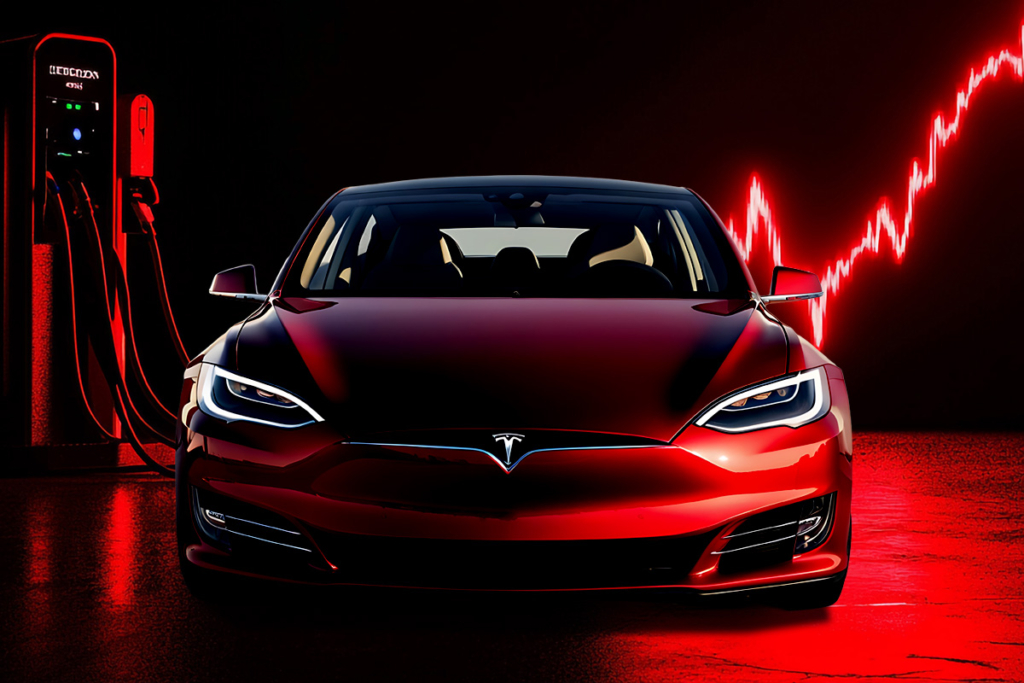
Tesla (TSLA) shares surged to a new 2025 closing high, extending a strong rally fueled by optimism around self-driving technology, CEO Elon Musk’s recent moves, and bullish analyst sentiment. The electric vehicle giant’s stock is now riding a powerful wave of momentum that has carried it higher in nine of the last ten trading sessions.
Tesla Stock Climbs to Fresh Highs
In early trade, Tesla stock briefly topped $440, climbing nearly 4% before paring gains to close 1.9% higher at $434.21. That close surpassed the company’s previous 2025 high of $428.22 set on January 15. The recent uptrend marks a stunning reversal from Tesla’s rocky start to the year, with shares gaining more than 30% in the past month alone.
Several catalysts have helped fuel this rally. Musk’s $1 billion share purchase last week sent a strong confidence signal to investors, while a new compensation proposal and fresh Robotaxi expansion plans beyond Austin, Texas, further boosted sentiment.
Piper Sandler Analyst Hikes Price Target
The rally gained extra fuel from Piper Sandler analyst Alexander Potter, who raised his price target on Tesla stock from $400 to $500 following a visit to China. Potter’s research pointed to Tesla’s unique position in artificial intelligence and self-driving technology.


While acknowledging that Chinese automakers such as Xiaomi (1810.HK), Li Auto (LI), and Leapmotor (9863.HK) may outpace Tesla in assembly and production capabilities, Potter emphasized that Tesla remains ahead in building AI-enabled machines and infrastructure.
“When it comes to ‘real world’ AI, these companies [Chinese EV makers] look to Tesla for guidance — not the other way around,” Potter wrote. He added that one automaker even admitted, “without Tesla going from 0 to 1, we can’t go from 1 to 100.”
Potter also praised his experience with Tesla’s latest Full Self-Driving (FSD) software, projecting that the company could deliver a record quarter of sales in Q3.
Robotaxi Expansion Plans
Tesla has pledged to expand its robotaxi program, currently being tested in Austin, Texas, to other regions including Nevada, Florida, and California. Musk recently claimed that service would soon be available in the San Francisco Bay Area, with the company “getting the regulatory permission to launch.”
However, a report from Reuters painted a different picture, suggesting Tesla’s expansion may be further away than Musk implied.
Regulatory Hurdles in California
According to state officials cited by Reuters, Tesla has not yet applied for the required permits to operate autonomous robotaxi services in California. Obtaining these permits involves years of testing under state oversight, raising questions about the company’s timeline.
Instead, Tesla reportedly planned pre-arranged trips in human-driven vehicles for select riders who received invitations. These operations would fall under a permit typically used for limousine services, which does not allow for on-demand ride-hailing.
This discrepancy underscores the challenges Tesla faces in scaling its autonomous driving ambitions in the U.S., despite its technological advances and strong investor enthusiasm.
Investor Optimism vs. Regulatory Reality
Despite these regulatory hurdles, investor sentiment remains firmly bullish. Tesla’s string of stock gains, combined with Musk’s high-profile share purchase and analyst upgrades, reflects growing confidence that the company’s AI and self-driving technology will shape its future growth trajectory.
Yet, the gap between Tesla’s ambitious robotaxi promises and the regulatory approval process highlights a tension that investors must closely watch. With California being the largest U.S. market by population, achieving legal clearance there will be a pivotal milestone for Tesla’s self-driving ambitions.
For now, Tesla’s stock is riding a powerful rally, bolstered by Musk’s confidence, analyst optimism, and expanding AI leadership in the EV space. But the company’s next chapter—particularly in robotaxi services—will hinge on navigating regulatory frameworks that are proving more complex and time-consuming than Musk’s timeline suggests.
As Tesla continues to chase its self-driving future, the coming months could prove decisive in determining whether its ambitious plans translate into reality—or face delays under the weight of regulatory oversight.











Comments are closed.