




Featured News Headlines
Nvidia’s Stock Wobbles After China Finds Anti-Monopoly Violations
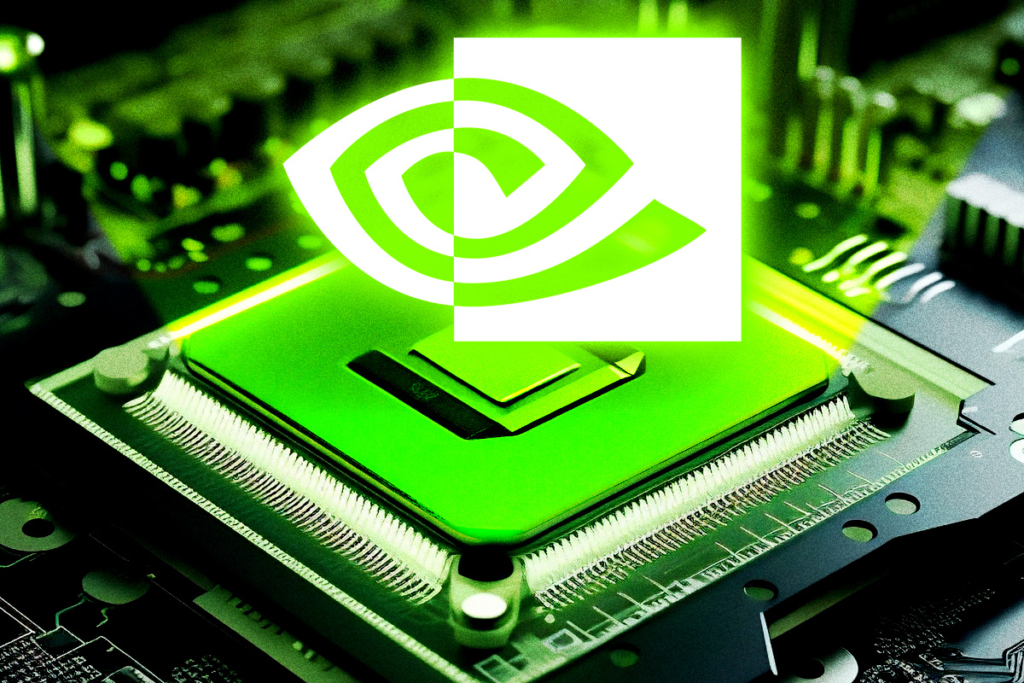
Nvidia – China has intensified pressure on Washington, announcing that Nvidia Corp. violated anti-monopoly regulations with its high-profile 2020 acquisition of Mellanox Technologies Ltd., a leading networking equipment maker. The ruling comes amid delicate trade negotiations between the United States and China in Madrid, highlighting the geopolitical tensions surrounding the global technology sector.
Preliminary Investigation Finds Nvidia in Violation
The State Administration for Market Regulation (SAMR) concluded a preliminary investigation, finding that Nvidia’s $7 billion acquisition of Mellanox breached antitrust laws. The Chinese regulator did not specify the remedies it might seek, but noted that further investigations into the tech giant are underway.
The announcement coincided with ongoing US-China tariff discussions, which have major implications for trade relations between the world’s two largest economies. Over the same weekend, China also initiated an anti-dumping probe targeting semiconductors produced by US companies such as Texas Instruments Inc., signaling growing scrutiny of American technology exports.
Market Reaction and Stock Impact
The news briefly rattled investors. Nvidia shares fell nearly 2% in New York trading on Monday before recovering most losses. Similarly, Texas Instruments stock dropped 2.9%, reflecting broader market sensitivity to Chinese regulatory actions affecting the semiconductor sector.




Nvidia’s Response and Legal Position
In a public statement, Nvidia emphasized compliance with all applicable laws. The company reassured stakeholders, stating:
“We will continue to cooperate with all relevant government agencies as they evaluate the impact of export controls on competition in the commercial markets.”
Despite the ruling, Nvidia appears poised to defend its position while maintaining operations in China, given its strategic role in supplying chips essential for artificial intelligence (AI) services to global tech leaders including Meta Platforms Inc. and DeepSeek.
Geopolitical Implications and Trade Talks
The ruling emerges as President Donald Trump announced plans to speak with China’s Xi Jinping later this week, following lower-level discussions in Madrid. US Treasury Secretary Scott Bessent confirmed that both sides acknowledged the timing concerns regarding Nvidia’s investigation but agreed on a framework to allow ByteDance Ltd.’s TikTok to continue operating in the US—a separate but related point of tension in US-China tech relations.
Experts note that Nvidia’s centrality in AI chip production places the company at the intersection of technology, commerce, and geopolitics. Its chips are critical for powering next-generation AI platforms, giving the firm substantial leverage but also heightened scrutiny from regulators globally.
Historical Context: Mellanox Acquisition
Beijing’s probe traces back to December 2020, when the Chinese government approved Nvidia’s acquisition of Mellanox for $7 billion, on the condition that the company not discriminate against Chinese businesses. The recent antitrust ruling signals that regulators may now reassess Nvidia’s compliance with these terms, particularly as its influence in AI and high-performance computing continues to grow.
The SAMR investigation also underscores China’s broader anti-monopoly agenda, targeting foreign companies with significant market power. Analysts suggest that Nvidia’s case may serve as a precedent for evaluating future mergers and acquisitions by American tech giants in the Chinese market.
Nvidia at the Center of Global Tech Tensions
This development highlights a growing intersection of technology, regulation, and international trade. Nvidia’s pivotal role in AI chip production, combined with its aggressive global expansion strategy, has made it a focal point for both Chinese regulators and US trade policymakers.
With both governments navigating high-stakes trade negotiations, Nvidia’s regulatory challenges in China could have wide-ranging implications for global semiconductor supply chains and future AI development. The company’s ability to manage these pressures while maintaining market dominance will be closely watched by investors, tech companies, and policymakers alike.
China’s antitrust ruling against Nvidia serves as a stark reminder of the geopolitical risks facing multinational tech firms. As Nvidia continues to expand its AI chip operations, the company must navigate a complex regulatory environment while balancing relationships with both the US and Chinese governments. This case reflects broader tensions in the semiconductor and AI industries, illustrating how regulatory scrutiny and international trade considerations are increasingly shaping the future of global technology markets.





























Comments are closed.