





Featured News Headlines
Qubic’s Economic Attack Causes Major Disruption on Monero’s Blockchain
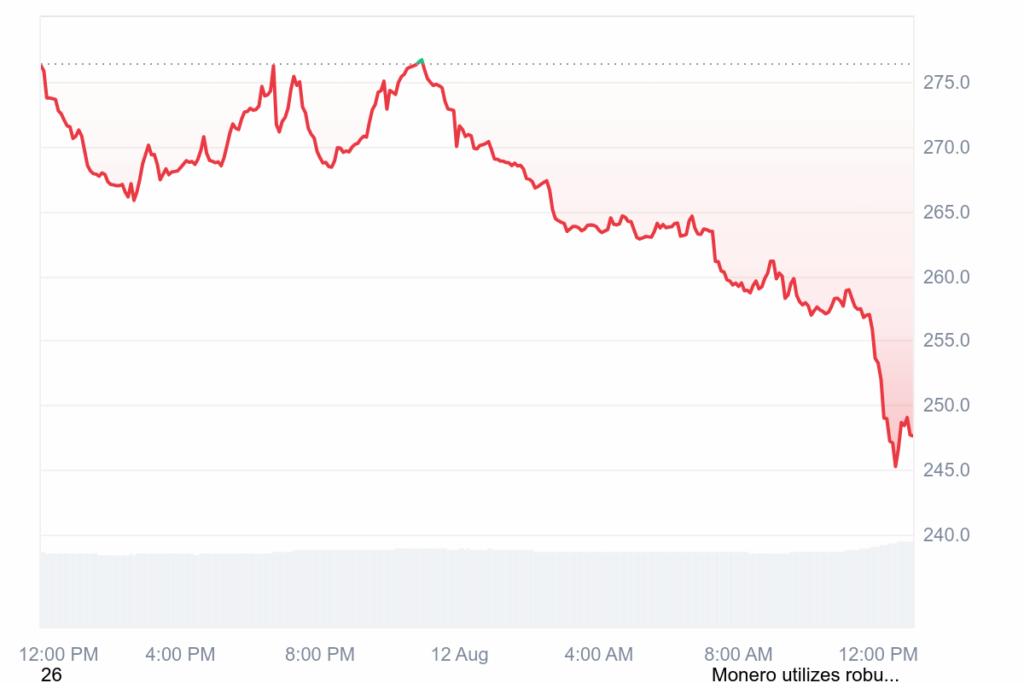
Monero, a leading privacy-focused cryptocurrency, has recently experienced significant network disruption. Over the last 24 hours, 60 valid blocks were orphaned—meaning they were discarded from the blockchain. This unusual event coincides with an ongoing economic attack launched by the Qubic network, which is targeting Monero’s mining system.
How the Qubic Attack Works
Qubic miners are redirecting their computing power to mine Monero but immediately sell the rewards to buy and burn Qubic tokens. This strategy allows them to earn more in QUBIC tokens than regular Monero miners, incentivizing what is called “selfish mining.” In selfish mining, attackers withhold mined blocks and release them strategically to dominate the blockchain, causing honest miners’ work to be rejected.
Is This a 51% Attack?
A 51% attack happens when a single entity controls the majority of a blockchain’s mining power, enabling them to rewrite transactions or block others. Qubic’s founder claimed on social media that his pool has surpassed 51% control over Monero mining power. However, experts remain divided. Some data suggests Qubic’s hashrate isn’t consistently high enough to maintain majority control, though brief spikes could explain the recent orphaned blocks.
What This Means for Monero
If a true 51% attack occurs, it risks double-spending and transaction censorship, threatening network security. But some developers argue that recent events reflect luck and aggressive mining tactics rather than a successful takeover. The ongoing conflict between Monero and Qubic highlights the vulnerabilities in blockchain networks where economic incentives drive complex attacks.
































Comments are closed.