




Featured News Headlines
How Fake Crypto Summit Emails Are Trick Users – Phishing Warning
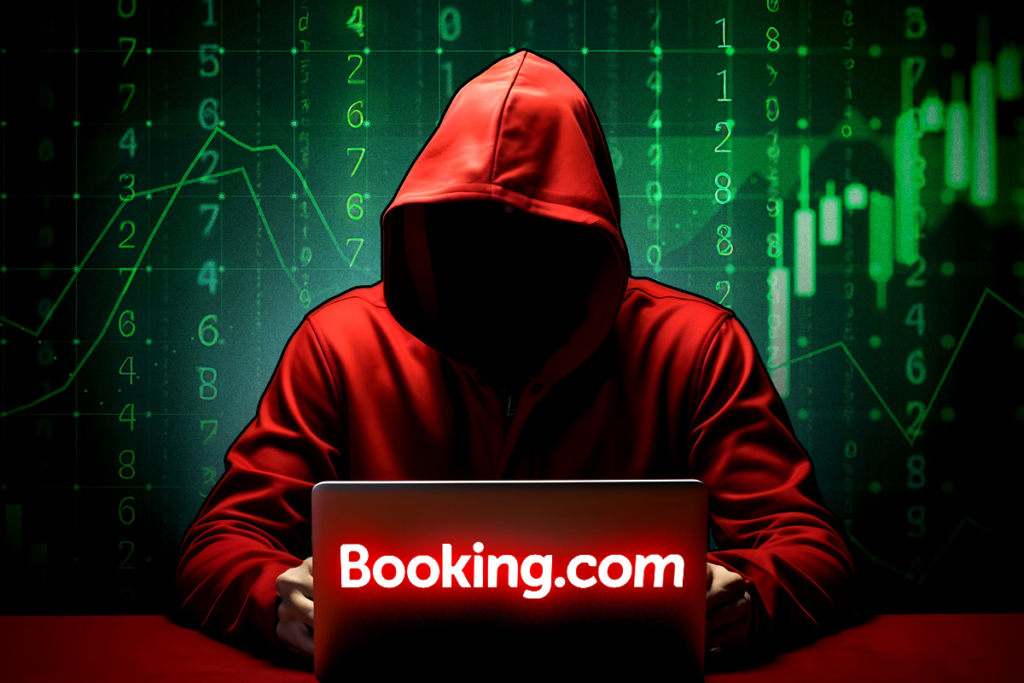
A new phishing email campaign impersonating Booking.com and Coinbase is circulating among cryptocurrency users. The scam surfaced on October 27, 2025, when security researcher Ong shared screenshots of the fraudulent message on social media.
The email invited recipients to an “Exclusive Crypto Travel Summit” supposedly scheduled for November 2025 in Dubai, claiming that Booking.com and Coinbase had formed a strategic partnership to launch crypto-based travel services. It falsely listed Ethereum co-founder Vitalik Buterin and Coinbase CEO Brian Armstrong as keynote speakers.
While the email looked convincing at first glance, it included an RSVP deadline of September 30, 2025 — a date already passed — which exposed the scam’s sloppy design.
Ong cautioned users to treat the message as malicious and





“Delete such emails immediately.”
He also urged Booking.com to escalate the issue to its cybersecurity team.
Booking.com Confirms Impersonation and Warns Users
Shortly after Ong’s post gained traction, Booking.com confirmed awareness of the fraudulent emails. In its official response, the company thanked Ong for flagging the threat and requested copies of the messages for investigation.
The company clarified that it does not communicate through Telegram, WhatsApp, or similar messaging apps, and does not recruit, request payments, or offer support through those channels.
“We never contact customers via unofficial apps,”
Booking.com’s support team stated.
“Anyone receiving suspicious messages should report and block the sender immediately.”
The firm also advised users not to share personal details, click suspicious links, or make payments requested in unsolicited messages. Victims were encouraged to report incidents to local authorities and contact Booking.com directly through its verified customer service portal, providing confirmation and reservation details for legitimate issues.
Broader Trend of Crypto-Related Impersonation Scams
This phishing incident mirrors a wider pattern of impersonation attacks targeting cryptocurrency companies and their users. In September 2025, Binance issued an alert about fake “listing agents” claiming to secure token listings for a fee. CEO Richard Teng also warned of fraudulent phone calls where scammers posed as Binance support staff.
In some cases, victims were persuaded to modify API settings, inadvertently granting attackers the ability to drain funds. The growing sophistication of these schemes has frustrated both users and security professionals.
One community member commented,
“Every month scams get smarter — the fake logos, the wording, even the timing feel real.”
Security Experts Urge Vigilance
Ong emphasized that the decentralized nature of crypto means responsibility largely falls on users to verify every communication. He advised checking sender domains, avoiding shortened URLs, and cross-verifying events or announcements through official company channels.
Cybersecurity specialists echo this warning: if something feels unusual or time-sensitive, users should contact the platform directly rather than reply to unsolicited messages.
The fake Crypto Travel Summit serves as yet another reminder that even reputable brands like Booking.com and Coinbase can be exploited for credibility by scammers. As crypto adoption grows, so too does the creativity — and persistence — of fraudsters hoping to deceive unsuspecting users.




















Comments are closed.