



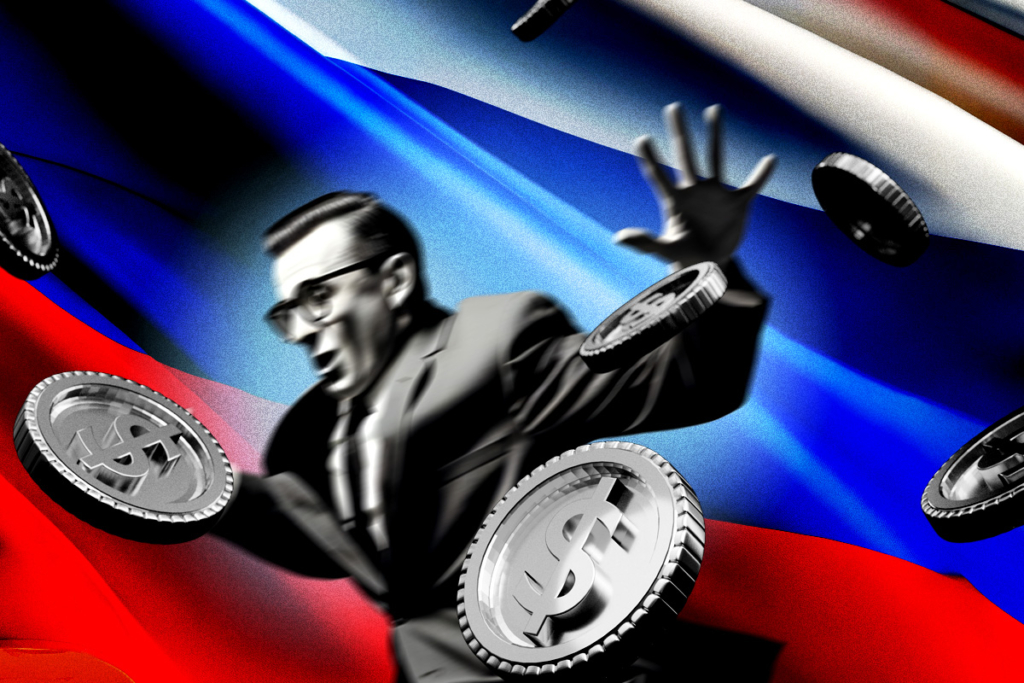

Russia’s Major Exchanges Get Ready for a Crypto Breakthrough
The prospect of regulated cryptocurrency trading is getting closer in Russia. The biggest stock exchanges in the nation are getting ready for a big transformation in 2026. Following the implementation of new legislation, the Moscow Exchange (MOEX) and St. Petersburg Exchange (SPB) have affirmed that they are prepared to facilitate cryptocurrency trading. This suggests that the way digital assets are incorporated into Russia’s financial system may undergo a structural shift.
Russian Exchanges Prepare Infrastructure for Crypto Trading
The Central Bank of Russia’s new cryptocurrency framework has received public support from MOEX and SPB. The exchanges intend to make use of their current clearing, settlement, and trading infrastructure. This can expedite implementation while reducing execution risk. MOEX emphasized its foreign exchange and international settlement expertise. It thinks that the crypto markets can effectively use these skills.
The Moscow Exchange is actively working on solutions for servicing the cryptocurrency market and plans to launch their circulation as soon as the relevant regulations are in place. In our opinion, the regulatory concept uses the accumulated experience of conducting operations in the foreign exchange market, where the Moscow Exchange group has unique competencies in trading, clearing, and settlement technologies in an international context,
MOEX





SPB shared this opinion. According to the exchange, the necessary technology is already in place to provide cryptocurrency trading and settlements under a regulated framework. This suggests to investors a more open and institutionally regulated cryptocurrency landscape. Pricing, liquidity, and compliance requirements might all be greatly enhanced.
We are ready to start trading cryptocurrencies after the relevant changes are made to the legal framework. The SPB exchange has the appropriate technological infrastructure for trading and settlements.
SPB
Russia’s New Crypto Rules Point to Gradual Market Adoption
This framework could replace Russia‘s temporary crypto regime by mid-2026. Stablecoins and Bitcoin are examples of digital assets that fall under the category of currency assets. Licensed banking institutions would handle crypto flows. On the other hand, greater investor participation is a crucial development.
Purchases would not exceed 300,000 rubles per year. With the exception of privacy-focused coins, qualified investors would be subject to fewer limitations. This might open up fresh domestic demand from a market standpoint. Strict regulations, however, imply that volatility will be closely watched. Russia’s strategy suggests gradual adoption rather than quick liberalization for long-term investors.
For more up-to-date crypto news, you can follow Crypto Data Space.

























Comments are closed.