




Featured News Headlines
What is Giza Token?
The world of cryptocurrencies is a dynamic ecosystem that is constantly evolving and integrating new technologies. The journey that began with Bitcoin took on a whole new dimension with Ethereum’s smart contracts, and then expanded with revolutionary concepts like decentralised finance (DeFi). But what happens if we introduce artificial intelligence (AI) into this equation? Giza Token is the answer to precisely that question.
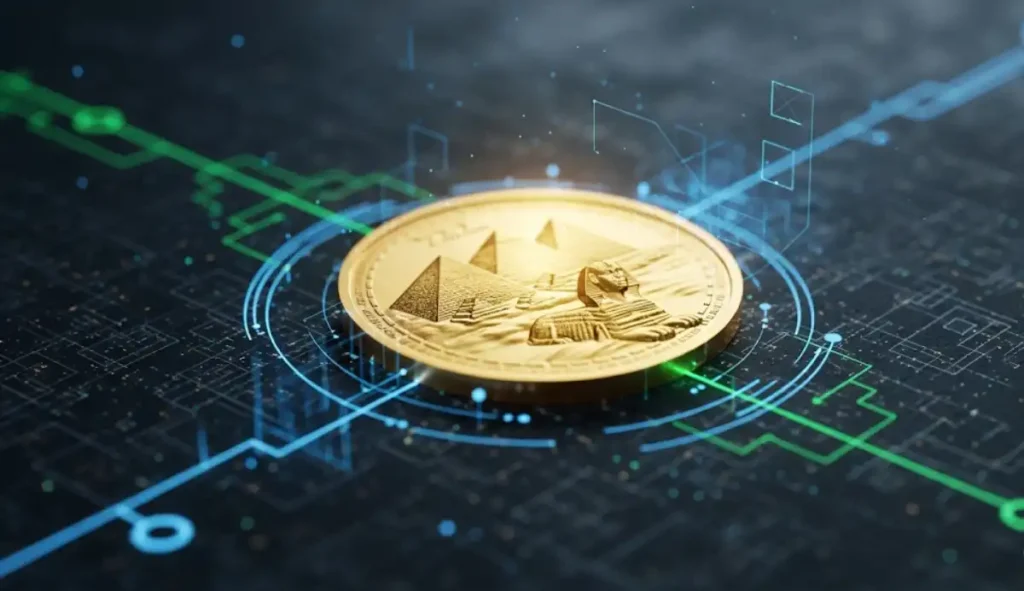
While Giza Token takes its name from the ancient pyramids of Egypt, the technology behind it is remarkably modern and forward-thinking. At its core, Giza Token is the native cryptocurrency of a project that aims to merge artificial intelligence and blockchain. This unique proposition sets it apart from the thousands of other tokens on the market, carving out its own distinct niche.
So, what does this merger mean? Simply put, the platform behind Giza Token enables AI models to be developed, trained, and used in a decentralised and transparent manner. In traditional AI projects, data and models are typically stored on central servers. This approach often leads to numerous issues, including data privacy concerns, security vulnerabilities, and censorship risks. The Giza Token ecosystem addresses these problems with the principles of decentralisation and transparency offered by blockchain technology.
Core Functions and Use Cases of Giza Token
The Giza Token ecosystem consists of several key components, and the token itself plays a crucial role in facilitating interactions between them. The main use cases for Giza Token can be summarised as follows:





- Platform Fees: Developers who create and train AI models, or users who want to access these models, pay for the platform’s services using Giza Token. This ensures the sustainability of the ecosystem and creates continuous demand for the token.
- Governance: Giza Token holders have the right to vote on the future direction of the project. This is based on a decentralised autonomous organisation (DAO) structure, which allows the community to shape the project’s development. Token holders have a say in important decisions, such as adding new features or making protocol changes.
- Staking and Rewards: Users can lock up their tokens on the platform (staking) to contribute to the security and operation of the network. In return, they can earn additional Giza Tokens, creating an opportunity for passive income. This mechanism encourages token holders to make long-term investments.
- Data and Model Marketplace: An important part of the Giza ecosystem is a marketplace for AI models and datasets. Developers can list their models for sale here, while data providers can share their valuable datasets and earn Giza Tokens. This marketplace aims to accelerate innovation in the field of artificial intelligence.
Why is the Giza Token and AI Combination Important?
At first glance, blockchain and AI might seem like two very different technologies. One is built on decentralisation and immutability, while the other typically runs on central servers and relies on continuous learning and change. However, the combination of these two technologies has the potential to address each other’s weaknesses.
- Trust and Transparency: The decision-making processes of AI models are often referred to as a “black box”—it’s difficult to understand why a model made a particular decision. Blockchain can solve this trust issue by transparently recording the training processes and decision parameters of these models.
- Data Privacy: Blockchain enables secure data sharing without the need for a central intermediary, using encryption and anonymisation techniques. This allows AI models to be trained on sensitive data while protecting the privacy of data owners.
- Accessibility and Decentralisation: Traditional AI development processes are often monopolised by large corporations. Projects like Giza Token aim to break this monopoly by allowing smaller developers and individuals to participate in the ecosystem, create their own models, and earn money.
The Technology and Roadmap Behind Giza Token
The Giza Token was typically launched as an Ethereum token (ERC-20), but the project’s vision is to evolve into a multi-chain structure that can operate on multiple blockchains. Smart contracts automatically and reliably handle all of the token’s functions (staking, governance, payments).
The project’s roadmap usually includes the following stages:
- Core Platform Development: Building the necessary infrastructure for the integration of AI models into the blockchain.
- Creation of Governance Structure: Activating the DAO mechanism and giving voting rights to token holders.
- Marketplace Launch: Making the platform available for developers and data providers to connect.
- Ecosystem Growth: Integrating more AI models and expanding the platform into different industries (healthcare, finance, etc.).
Giza Token’s Place in the Crypto Market
Hundreds of new projects emerge in the crypto market every day. While many of these are short-lived, some stand out with their unique visions and strong communities. Giza Token draws attention as a pioneer of the “AI-DeFi” (Artificial Intelligence and Decentralised Finance) trend.
The success of such projects depends not only on their technological infrastructure but also on the real-world problems they solve. Giza Token‘s claim to offer solutions to the ethical, security, and centralisation problems in the field of artificial intelligence makes it attractive to both investors and technology enthusiasts.
However, like any cryptocurrency, Giza Token carries its own risks. Market volatility, regulatory risks, and the possibility of the project failing to deliver on its promises are all factors that every investor should consider.
Is Giza Token a Bridge to the Future of Technology?
Giza Token is an ambitious project that brings together two of the most transformative technologies of the 21st century: blockchain and artificial intelligence. Its vision of creating a decentralised, transparent, and fair AI ecosystem sets it apart from traditional approaches and increases its potential.
If you are curious about this intersection of the tech and finance worlds, following the Giza Token project and similar ones can be a great starting point for understanding how the future is being shaped. Remember, such innovative projects not only offer investment opportunities but also push the boundaries of technology to create new paradigms.
























Comments are closed.