




Featured News Headlines
- 1 What Is a Hardware Wallet? The Ultimate Guide to Secure Cryptocurrency Storage
- 2 What Is a Hardware Wallet?
- 3 Key Benefits of Hardware Wallets
- 4 How Does a Hardware Wallet Work?
- 5 Most Popular Hardware Wallet Brands
- 6 Hardware Wallet vs. Software Wallet: What’s the Difference?
- 7 Best Practices for Using a Hardware Wallet
- 8 How to Choose the Right Hardware Wallet
- 9 Are Hardware Wallets Safe?
- 10 Conclusion
What Is a Hardware Wallet? The Ultimate Guide to Secure Cryptocurrency Storage
As cryptocurrencies become increasingly popular, the need for secure storage solutions has grown significantly. A hardware wallet is a physical device that stores cryptocurrencies offline, also known as cold storage. By keeping private keys disconnected from the internet, these devices offer maximum protection against cyber threats. In this guide, we will explore what a hardware wallet is, how it works, and why it has become the top choice for long-term crypto investors.
What Is a Hardware Wallet?
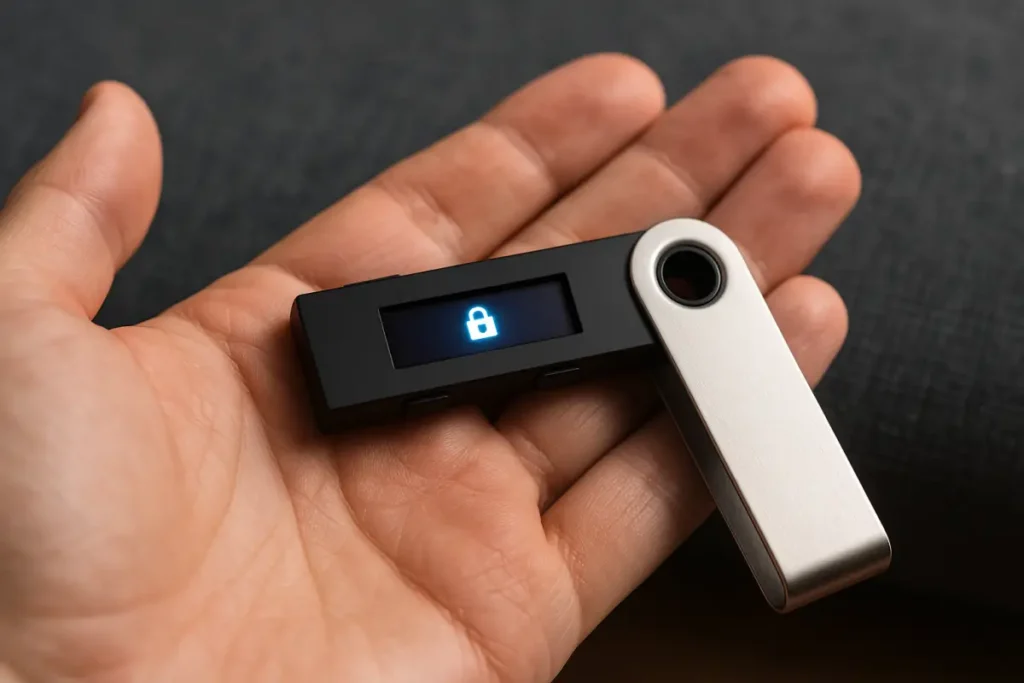
A hardware wallet is a physical device that securely stores your private keys offline. Shaped similarly to a USB stick, it enables users to safely store multiple cryptocurrencies such as Bitcoin, Ethereum, and Litecoin. These wallets only connect to the internet when needed for transaction approval, minimizing exposure to malicious attacks.
Key Benefits of Hardware Wallets
1. Superior Security
Because private keys are stored offline, hardware wallets are resistant to malware, viruses, and remote hacking attempts.
2. Physical Ownership
Only the person who physically possesses the wallet can access the stored assets. Even if the device is lost, access can be restored using a recovery phrase.





3. Multi-Currency Support
Most modern hardware wallets support hundreds of cryptocurrencies, allowing users to manage all their digital assets in one secure place.
4. Cold Storage Feature
As a form of cold storage, hardware wallets remain disconnected from the internet, offering one of the safest methods to store digital currencies.
How Does a Hardware Wallet Work?
- Initial Setup: Users configure the device with a PIN and receive a recovery phrase consisting of 12 to 24 words.
- Receiving Funds: Crypto is sent to the wallet’s public address, which can be shared freely.
- Making Transactions: When sending funds, the device must physically authorize the transaction, adding an extra layer of security.
- Backup & Recovery: The recovery phrase allows users to regain access if the device is lost or damaged.
Most Popular Hardware Wallet Brands
1. Ledger Nano S / Nano X
Developed by Ledger, a France-based company, these devices are known for their robust security features and user-friendly interface.
2. Trezor Model One / Model T
As the world’s first hardware wallet, Trezor offers open-source firmware and has a strong reputation in the crypto community.
3. SafePal S1
Backed by Binance, this wallet works seamlessly with mobile apps and enables QR-code-based transactions for enhanced safety.
Hardware Wallet vs. Software Wallet: What’s the Difference?
| Feature | Hardware Wallet | Software Wallet |
|---|---|---|
| Security | High | Medium to Low |
| Internet Connection | Not Required (Cold Storage) | Required (Hot Wallet) |
| Accessibility | Moderate | High |
| Cost | Paid | Usually Free |
Best Practices for Using a Hardware Wallet
- Secure Your Recovery Phrase: This phrase is the only way to recover your assets if your device is lost or damaged. Store it safely and never share it.
- Remember Your PIN Code: You’ll need this to access the device.
- Buy from Official Sources: Avoid counterfeit devices that can compromise your funds.
- Stay Updated: Regularly check for firmware updates from the manufacturer to patch any vulnerabilities.
How to Choose the Right Hardware Wallet
- Certified Security Standards: Make sure the device is properly certified.
- Community Trust: Established brands with strong user bases are more reliable.
- User Interface: Beginners may benefit from simpler devices with intuitive interfaces.
- Price vs. Features: Consider your budget and compare features before purchasing.
Are Hardware Wallets Safe?
Absolutely. Hardware wallets are considered the most secure way to store cryptocurrencies, especially for long-term holders. Their offline nature keeps your funds insulated from online threats. However, users must take responsibility for their recovery phrase and device security to maintain this level of protection.
Conclusion
If you’re looking to safeguard your crypto investments, a hardware wallet is a smart and secure choice. These devices combine offline protection, multi-asset support, and physical control into a single package—making them ideal for anyone serious about long-term crypto security. As cyber threats continue to evolve, hardware wallets remain a vital defense mechanism in the world of digital finance.































Comments are closed.