



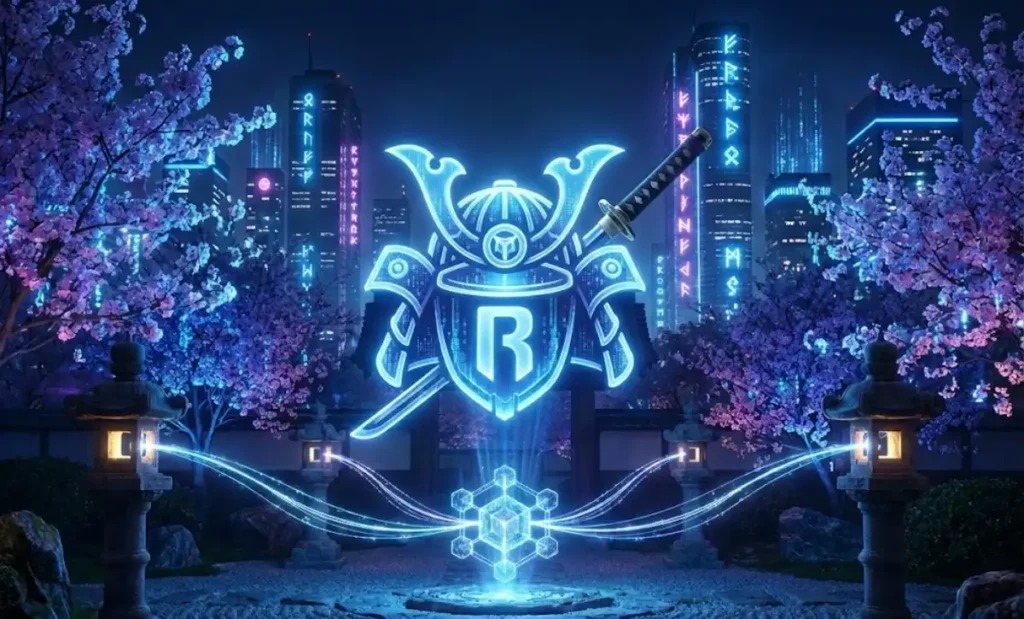

In the world of cryptocurrency and blockchain, the most revolutionary projects are often born out of sheer necessity. Ronin (RON) is the perfect embodiment of this principle. If you cast your mind back to the “Play-to-Earn” fever of 2021, the name Axie Infinity will undoubtedly ring a bell. Ronin is the specialized blockchain built specifically to handle that massive influx of traffic.
But with hundreds of blockchains already in existence, why was Ronin necessary? What exactly is Ronin (RON), how does it function, and why does its future look so promising? In this guide, we will strip away the technical jargon and dive deep into everything an investor or gaming enthusiast needs to know.
Featured News Headlines
The Genesis of Ronin Network: Why Ethereum Fell Short
To understand Ronin, we must first understand the problem it solved. When Axie Infinity first exploded in popularity, it operated on the Ethereum network. However, at the time (and occasionally still), Ethereum was notorious for its prohibitive transaction costs (Gas fees) and network congestion. Imagine trying to win a strictly digital item worth $5, only to be charged $50 in transaction fees to claim it. For a sustainable gaming economy, this was simply untenable.
Sky Mavis, the developer behind the game, made a radical decision: “Let’s build our own highway.”




Thus, the Ronin Network was born as a sidechain linked to Ethereum. The goal was simple yet ambitious: To execute in-game transactions at lightning speed and with near-zero costs.
What is Ronin (RON) and What Purpose Does It Serve?
Ronin is an EVM (Ethereum Virtual Machine) compatible blockchain designed specifically for developers building player-owned economies.
- What does EVM Compatible mean? It means that applications or developers running on Ethereum can migrate their projects to the Ronin network with minimal changes. This is a massive convenience for developers.
- The RON Token: This is the native cryptocurrency of the network. Much like we use ETH to pay for gas on Ethereum, RON is used for transactions on the Ronin network (token transfers, NFT trading, etc.). It also plays a starring role in the “Staking” mechanism to secure the network.
The Cornerstones of the Ronin Ecosystem
Ronin is not just an empty highway; it is an infrastructure upon which sprawling digital cities have been built. Several critical components keep this ecosystem thriving:
1. Ronin Wallet
This is your ticket to entry. Functioning as a browser extension (similar to MetaMask) and a mobile app, it is designed with gamers in mind. It is far more intuitive than a standard crypto wallet, making it essential for storing assets, connecting to games, and executing transactions on the network.
2. Katana DEX (Decentralized Exchange)
Think of this as the network’s internal currency exchange. It allows players to swap the tokens they earn (such as SLP or AXS in Axie Infinity) for USDC or RON seamlessly. It provides liquidity within the network without the user ever needing to rely on external exchanges.
3. Ronin Bridge
This is the tunnel connecting Ethereum and Ronin. It allows users to port their assets (ETH, USDC, etc.) from the Ethereum mainnet to Ronin, and vice versa.
How Does Ronin Work? Technology and Security
Ronin utilizes a consensus mechanism known as Delegated Proof of Stake (DPoS). Don’t let the terminology intimidate you; here is the logic:
In its early days, the network used “Proof of Authority” (PoA) with a limited number of validators (a setup that, admittedly, led to a security breach in the past). However, Sky Mavis learned valuable lessons from that event and migrated the network to DPoS.
The system currently operates as follows:
- Validators: These are the computers responsible for securing the network and approving transactions. The list now includes industry giants such as Google Cloud, Animoca Brands, and DappRadar.
- Delegators (Users): Regular users who hold RON can “stake” (lock) their tokens with a validator they trust.
- Reward System: As validators approve transactions, they earn RON. They then share these rewards with the users who voted for (staked with) them.
In essence, holding RON is not just about betting on price appreciation; it is also an opportunity to generate passive income through staking.
Is Ronin More Than Just Axie Infinity?
Initially, yes, it was. However, 2023 and 2024 marked a “renaissance” period for Ronin. Sky Mavis opened the floodgates to external developers.
Currently, other popular titles running on Ronin include:
- Pixels: A retro-style farming and social exploration game. It broke active user records shortly after migrating to Ronin.
- Wild Forest: A fast-paced Real-Time Strategy (RTS) game.
- Apeiron: A hybrid god-simulation and RPG.
This diversity proves that Ronin is not a “one-hit wonder,” but has evolved into a comprehensive Web3 Gaming Platform.
RON Tokenomics (The Economy of the Token)
For investors, this is the most critical section. The supply and utility of the RON token are vital for price stability.
- Maximum Supply: 1 Billion RON.
- Utility:
- Gas Fees: Every transaction on the network burns or spends a small amount of RON.
- Staking: Tokens are locked to secure the network.
- Governance: It grants holders the right to vote on the future direction of the network.
As the number of games and players on the network increases, the volume of transactions rises. A higher transaction volume creates a greater need for RON, potentially driving up demand (and price).
The Pros and Cons of Ronin
For an honest review, we must look at both sides of the coin.
The Advantages:
- Negligible Fees: Compared to Ethereum, transactions are practically free.
- High Speed: Transactions are confirmed in seconds.
- Niche Focus: Being designed solely for gaming means developer tools are optimized specifically for this purpose.
- Strong Partners: Having validators like Google Cloud instills significant confidence.
The Risks and Disadvantages:
- Centralization Debates: It is not as decentralized as Ethereum, possessing a smaller pool of validators.
- Past Security Issues: The major hack of 2022 is still in recent memory, though the team has since elevated security far beyond industry standards.
- Sector Competition: It faces stiff competition from powerhouses like Immutable X (IMX), Gala Games, and Avalanche Subnets.
Is Ronin (RON) a Sound Investment?
The answer to “What is Ronin?” is no longer just “an Axie sidechain.” It is a living ecosystem poised to become one of the premier publishers in the Web3 gaming sector.
If you believe that blockchain-based games (GameFi) will eventually integrate with or supersede traditional gaming, then Ronin stands as one of the most robust infrastructure providers in the space. The success of newer titles like Pixels has demonstrated Ronin’s ability to attract and retain users beyond its initial flagship game.
However, as with any crypto investment, Ronin carries risks. Technology moves fast, and the gaming world is incredibly dynamic. Nevertheless, the vision and crisis management skills demonstrated by the Sky Mavis team highlight Ronin as a resilient contender in the market.




















Comments are closed.