




Featured News Headlines
- 1 Palantir Under Pressure: Insider Selling Fuels Concern
- 2 Reddit Sentiment Turns Against Palantir
- 3 Valuations No Longer Justifiable
- 4 Correction Signs Across the AI Sector
- 5 Insider Selling Continues to Damage Confidence
- 6 Volatility Fatigue Is Rising
- 7 What Are Institutional Investors Thinking?
- 8 Outlook for the Coming Period
Palantir Under Pressure: Insider Selling Fuels Concern
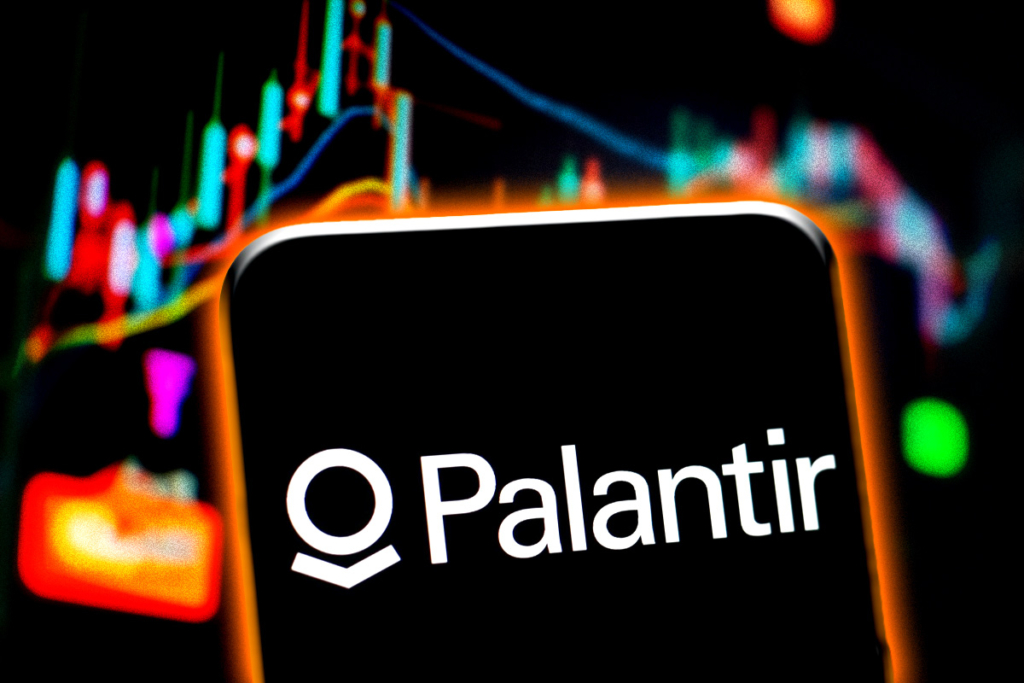
Palantir (Nasdaq: PLTR) shares have fallen 10% over the past five days, as fading enthusiasm around the AI sector and negative sentiment tied to insider selling put pressure on the company’s already elevated valuation. Retail investor sentiment across Reddit, X, and other platforms shows a clear shift from cautious optimism to fatigue.
This is not a Palantir-specific issue. Other AI favorites such as Oracle (Nasdaq: ORCL) and CoreWeave (Nasdaq: CRWV) have also declined sharply—down 25% and 45% over the past month, respectively.
Reddit Sentiment Turns Against Palantir
Market conditions are visibly shifting. A quick look at Reddit’s r/wallstreetbets highlights this change. Even a trader who posted substantial profits appeared exhausted and emotionally drained.
User u/EstablishmentSea9172 shared how their SPX options and PLTR put positions surged from $8,000 to $235,000, yet their comments revealed the psychological toll:




“I don’t understand how people do this for a living. My heart rate was probably 120 bpm all week, and I probably lost six years off my life from stress.”
Even those profiting from volatility are hitting emotional limits, with more traders expressing a desire to “leave the casino.” This underscores that not only losing traders, but winning ones too, are reaching psychological exhaustion.
Valuations No Longer Justifiable
Despite an average analyst price target of $184.88, rising caution among institutional investors suggests that the near-term outlook favors consolidation rather than continuation of the rally. The key question for Palantir followers is whether current multiples are sustainable—or whether a deeper repricing is ahead.
Investors are “voting with their brokerage accounts,” and the answer is increasingly “no.” Position trimming and profit-taking mirror the broader shift in market sentiment.
Palantir’s valuation has long been a point of debate. While the company’s revenue growth and contract potential are strong, many believe the stock price has already priced in much of this upside. Profitability metrics and cash-flow strength are struggling to support the current market cap.
Correction Signs Across the AI Sector
Palantir’s decline is part of a broader trend in the AI sector. Major players have seen similar downturns. Oracle’s 25% slide reflects cooling in enterprise software and cloud demand.
CoreWeave’s 45% plunge paints an even sharper picture. Expectations for AI infrastructure demand haven’t matched actual results, prompting aggressive investor reaction.
These declines raise serious questions about the sustainability of AI sector valuations after nearly a year of investors paying steep premiums for the AI narrative. Markets are now looking for tangible results and profitability instead of promises.
Insider Selling Continues to Damage Confidence
Insider selling at Palantir is adding to retail investor concerns. When executives or major shareholders sell at elevated prices, it often fuels speculation that “those who know the most are cashing out.”
While insider selling isn’t always negative, the timing and scale matter. High-level insiders selling near peak valuations naturally triggers distrust among retail investors. Social media discussions around this issue have intensified, prompting many to reconsider their positions.
Volatility Fatigue Is Rising
Conversations across social platforms reveal growing exhaustion surrounding highly volatile stocks—not just Palantir. Traders are overwhelmed by constant monitoring, rapid decision-making, and persistent psychological strain.
Even aggressive traders on r/wallstreetbets—who previously embraced risk—are talking about “taking a break from the game.” This suggests a potential decline in retail participation.
Psychological burnout is especially common among options traders. The stress of managing highly leveraged positions is becoming unsustainable, even for those who end up profitable.
What Are Institutional Investors Thinking?
Institutional sentiment toward Palantir is turning more cautious. While analysts acknowledge Palantir’s long-term potential, many are increasingly vocal about near-term valuation concerns.
Although the average price target sits at $184.88, analysts remain divided, with some arguing that even current levels may be too high. Institutional funds trimming exposure or avoiding new positions could continue to pressure the stock. Reduced liquidity would also amplify price swings.
Outlook for the Coming Period
The short-term outlook for Palantir and the broader AI sector points toward consolidation and possibly additional downside. The process of valuation normalization may continue.
The key question for investors is whether this pullback represents a healthy consolidation—or the beginning of a deeper trend. Upcoming quarterly earnings and corporate guidance will play a decisive role in answering that question.
The divergence between retail and institutional sentiment will likely continue shaping market dynamics in the coming weeks. The balance between valuation metrics and growth expectations will be the most critical factor determining the sector’s near-term direction.


























Comments are closed.