



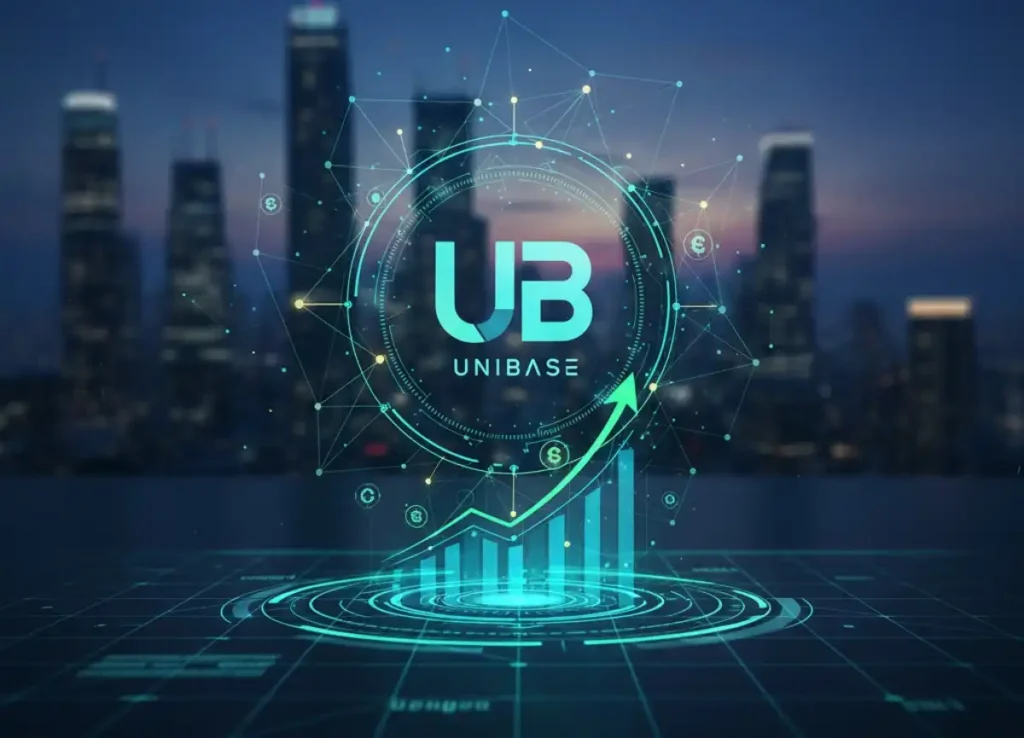

The cryptocurrency market continues to expand daily with new projects and visions. Within this dynamic universe, projects that aim to solve a specific need and build their own unique ecosystem stand out. Unibase (UB) is precisely one such innovative decentralized digital asset project that has been making headlines and drawing attention in this field.
But beyond being just another cryptocurrency, what exactly is Unibase (UB)? What problems does it solve, and what does its position in the crypto world signify?
Featured News Headlines
Fundamentals and Definition of the Unibase (UB) Project
Unibase (UB) is first and foremost a digital currency, and concurrently, the native token of a large decentralized platform supporting this currency. Like most modern crypto projects, Unibase is built upon the core tenets of blockchain technology: transparency, security, and decentralization.
Unibase’s primary mission is to offer users efficient and low-cost transactions, free from the constraints of traditional financial systems. The foundation of this project lies in the goal of creating a “base layer” that enables users to easily manage, transfer their digital assets, and access various decentralized finance (DeFi) applications. In this sense, UB is not just a means of payment but also the backbone of a growing ecosystem.




The Vision of Being a Decentralized Bridge
As its name suggests, Unibase aims to serve as a “Unified Base (Uni-Base)” across multiple cryptocurrencies and financial applications. Unlike conventional cryptocurrencies, it goes beyond mere functions of value storage or transfer, aiming to create a network that connects different components within the ecosystem.
Technical Structure and Tokenomics
The strength of a cryptocurrency heavily relies on its underlying technical architecture and its tokenomics (token economics) model. Unibase (UB) has attempted to strike a careful balance in this area.
1. The Role of the UB Token
UB is the native cryptocurrency of the Unibase ecosystem. Its primary use cases include:
- Transaction Fees (Gas): It acts as the fuel used for all types of transactions on the network (transfers, smart contract execution, etc.). The policy of low transaction fees encourages users to adopt the project.
- Governance: UB holders can have a say in the future direction of the project. Token holders have the right to vote on critical protocol upgrades and changes. This reinforces the project’s decentralized structure.
- Staking and Yield: Users can stake their UB tokens to help secure the network and receive rewards in return. This offers an opportunity to earn passive income.
2. Supply Structure
To understand its market valuation and potential, it is crucial to examine the supply data. Unibase’s total supply is generally set at a limited number, which theoretically provides protection against inflation.
- Max Supply: This is typically set at 10,000,000,000 (10 Billion) UB. (This figure may vary according to current source data.)
- Circulating Supply: This figure indicates the number of tokens actively traded in the market and plays a critical role in calculating the market capitalization.
The tokenomics model is designed to increase the long-term holding (HODL) tendency among investors. The planned release schedule for the supply supports the project’s longevity and sustainability.
Features Distinguishing Unibase from Competing Projects
Several key differentiators allow Unibase to stand out in the competitive crypto landscape:
1. Speed and Scalability
The Unibase network is built on a blockchain architecture specifically designed to handle high transaction volumes. This minimizes the congestion issues often found in legacy networks and allows transactions to be completed almost instantly. This feature opens the door to everyday commercial use and micro-transactions.
2. User-Friendly Interfaces
The project is focused on developing intuitive and easily accessible interfaces that simplify complex blockchain technology for the average user. This approach ensures that even newcomers to cryptocurrency can easily adapt to the UB ecosystem.
3. Ecosystem Integration
Unibase aims to enhance interoperability by building bridges not only between its own internal applications but also with other popular blockchain networks. This allows for the seamless transfer of assets and data from different ecosystems across the UB network.
Use Cases and Potential of Unibase
In the future, Unibase (UB) aims to be not just an investment tool but an integral part of daily life and the DeFi space.
- DeFi and Yield Farming: Users can generate additional yield by adding UB tokens to liquidity pools or by staking them.
- Payment System: Due to its fast and low-cost transaction structure, it could become a viable alternative payment option for e-commerce sites and retail businesses.
- NFT Marketplaces: The network’s scalability allows for the development of more efficient and cost-effective NFT (Non-Fungible Token) marketplaces on Unibase.
Conclusion and Investor Note
Unibase (UB) is an ambitious project aiming to be the new face of decentralization in the crypto world with its fast, scalable, and governance-driven structure. Its broad utility and robust tokenomics support the project’s long-term potential.


























Comments are closed.