




Featured News Headlines
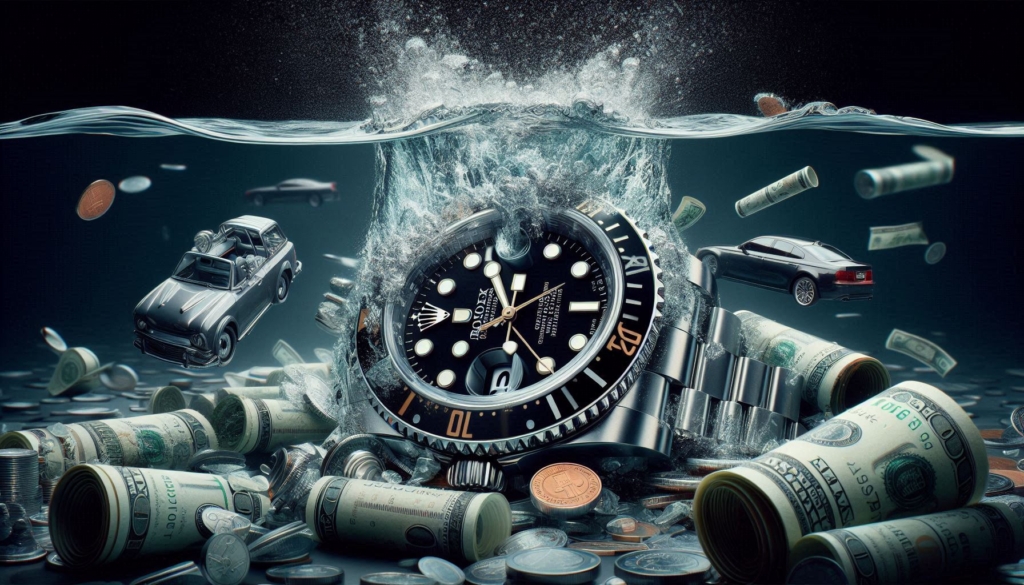
Rolex Prices Plunge on Secondary Market, Shaking Luxury Watch Industry
The luxury watch market is currently experiencing a notable upheaval as Rolex prices on the secondary market have seen a sharp decline. Once viewed as a reliable store of value, certain Rolex models are now facing steep price corrections amid an oversupply and weakening demand. This unexpected shift has raised important questions about the direction of the luxury watch segment, especially with the holiday season on the horizon.
Sharp Decline in Rolex Resale Prices
According to recent data, Rolex prices in the pre-owned market have dropped by as much as 20% since early 2025. Market analysts attribute this downturn primarily to an oversaturation of available watches and a significant reduction in speculative buying. As supply outpaces demand, prices have been pushed downward in a relatively short period.
This sudden change underlines the fluctuating nature of the luxury watch market, which, despite its prestige, remains vulnerable to shifts in consumer behavior and broader economic factors. Industry observers note that while Rolex watches have traditionally been seen as “safe investments,” the current environment challenges this perception.
For a more detailed breakdown, CNBC’s recent coverage highlights the evolving dynamics influencing these price movements.



Factors Behind the Market Shift
The roots of this market correction trace back to developments during the global pandemic. As lockdowns and restrictions limited traditional retail channels, many luxury watch manufacturers, including Rolex, ramped up production to meet anticipated pent-up demand. This surge led to a glut of watches entering the market.
When restrictions eased and normal purchasing patterns resumed, the expected rush of buyers slowed down. Speculative buyers, who had fueled much of the price inflation by purchasing watches as assets, began to pull back. The result: an oversupplied market struggling to absorb available inventory, causing prices to fall.
This situation reflects broader trends in the luxury watch sector, where production cycles, consumer confidence, and market sentiment play crucial roles in price stability. As supply chains normalize and speculative demand wanes, prices are adjusting accordingly.
Market Saturation and Its Consequences
Market saturation has significant implications for both sellers and buyers. For sellers, the abundance of available watches means increased competition and pressure to lower prices to attract buyers. Buyers, on the other hand, benefit from more options and improved negotiating power.
Collectors and enthusiasts are closely monitoring these developments, as the dynamics between supply and demand continue to evolve. The shift also signals a cooling phase after several years of rapid price appreciation and resale value growth for Rolex models.
This cooling trend could have lasting effects on market sentiment, resale prices, and the overall perception of luxury watches as tangible assets. The holiday season, traditionally a peak period for luxury purchases, will be a critical test of whether this price adjustment stabilizes or continues.
Understanding the Risks in Luxury Watch Markets
The recent price volatility serves as a reminder of the inherent risks associated with the luxury watch market. While the prestige and craftsmanship of brands like Rolex contribute to their appeal, these factors do not immunize prices from external influences.
Market saturation, changes in consumer interest, and shifts in economic conditions all affect resale values. The current downturn underscores the importance of recognizing that luxury watches, like many collectible assets, are subject to market cycles.
For those seeking expert perspectives on market risks and trends, Yahoo Finance offers comprehensive analysis and commentary from industry insiders.
The Path Forward for the Luxury Watch Industry
As the market adjusts to these new realities, participants—from collectors to dealers—are adopting a more cautious approach. Increased transparency in pricing, a clearer understanding of supply-demand balances, and tempered expectations for rapid appreciation are shaping market behavior.
Although the Rolex price crash has unsettled many, it also marks a maturation point for the luxury watch sector. The market is evolving beyond speculative hype toward a more balanced ecosystem where genuine collector interest and long-term appreciation potential coexist with market fluctuations.
In summary, the current environment highlights the complexity and dynamism of the luxury watch market, especially for iconic brands like Rolex. It also serves as a case study on how even traditionally stable luxury assets can experience significant price corrections in response to changing market conditions.




















Comments are closed.