


Featured News Headlines
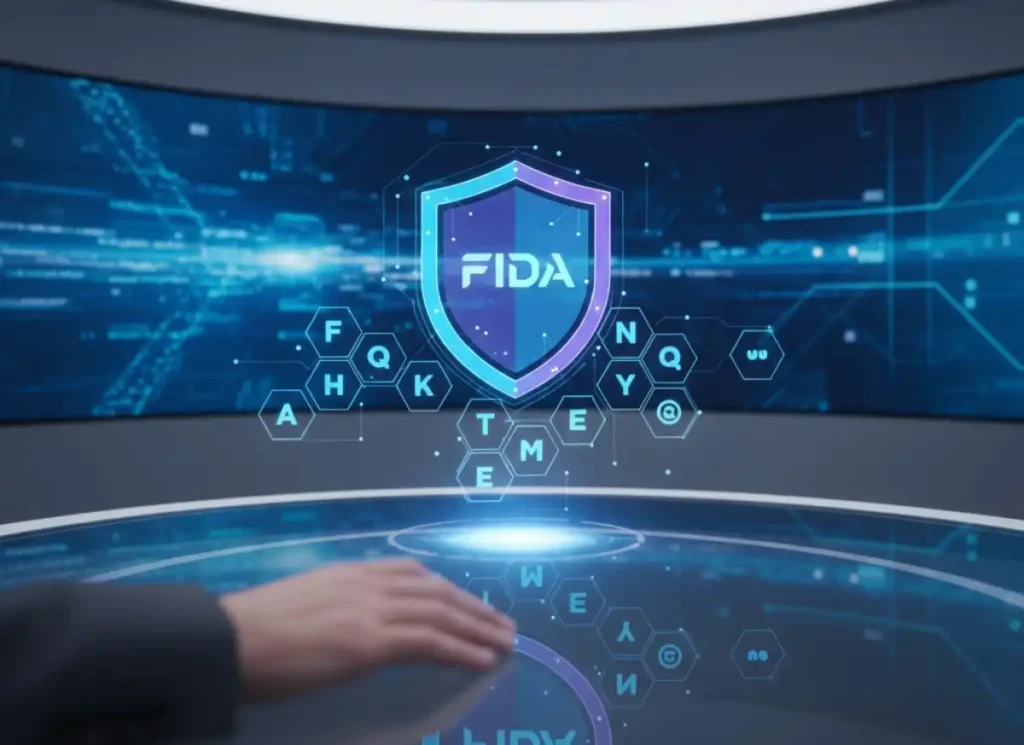
- 1 What is the Solana Name Service (FIDA)?
- 2 Why is the Solana Name Service Necessary?
- 3 How Does the Solana Name Service Work?
- 4 The Role of Solana Name Service (FIDA) in the Web3 Ecosystem
- 5 The FIDA Token and Tokenomics
- 6 Competitors and the SNS Advantage
- 7 How to Get Started with Solana Name Service
- 8 Future Vision and Potential
- 9 The Key to Unlocking Web3
What is the Solana Name Service (FIDA)?
The Solana Name Service (SNS) is a decentralised Domain Name Service (DNS) and identity protocol built on the robust Solana blockchain. Its most fundamental goal is to replace the convoluted, lengthy wallet addresses (e.g., 7d4n2...9k2p) of the crypto world with human-readable names ending in “.sol” that people can easily remember and use.
The SNS is actually a component of the project previously known and developed as Bonfida, and it continues to be developed by the Bonfida Foundation. The rebranding was carried out to more clearly emphasise the project’s core function—”Name Service”—and to signal a shift towards a community-driven governance structure.
The project’s native cryptocurrency is FIDA, which was originally Bonfida’s token and still maintains an important role. However, in recent times, the project has also introduced a separate token called SNS and has begun distributing this new token via airdrop to existing “.sol” domain holders. This indicates that the project incorporates elements of both its legacy and new token economies, though the FIDA token remains vital for discounts and incentives within the ecosystem.
Why is the Solana Name Service Necessary?
On the traditional internet (Web2), we use domain names (e.g., google.com) instead of complex IP addresses to access websites. This is what made the internet easy to navigate. The crypto and Web3 world faces a similar challenge:





- Complex Wallet Addresses: Crypto wallet addresses are often impenetrable strings of 30+ letters and numbers, impossible to read or memorise. This degrades the user experience and increases the risk of sending funds to the wrong address.
- Need for Decentralised Identity: The core promise of Web3 is for users to have full control over their digital assets and identities. A unified identity layer is needed to deliver this control effectively.
The Solana Name Service offers solutions to these issues:
- Human Readability: Complex Solana wallet addresses are converted into simple, personalised names (e.g.,
alex.solormyNFTcollection.sol). Sending crypto becomes as straightforward as sending an email. - Web3 Identity Layer: SNS is more than just an address shortener. It acts as a unified digital identity layer that users can employ across the entire Web3 ecosystem, even allowing Web2 data, such as social media reputation, to be ported cross-chain.
How Does the Solana Name Service Work?
The operational mechanism of the Solana Name Service is built upon three core pillars:
1. The Domain Marketplace and NFTs
The Solana Name Service is a decentralised marketplace where users can buy and sell domain names ending in “.sol”.
- Registration and Ownership: Users can search for and register their desired name if available. These domain names are tokenised as NFTs (Non-Fungible Tokens) on the Solana blockchain.
- Easy Trading: As NFTs, “.sol” domains can be freely traded on the most popular Solana NFT marketplaces (e.g., Magic Eden). This significantly boosts the liquidity and potential value of the domain names.
2. Cross-Chain Interoperability
SNS is not limited solely to Solana. By leveraging the Wormhole (W) bridge technology, the Solana Name Service can transfer information across different blockchains.
- Multi-Chain Support: When a user registers the name
example.sol, this name can be linked to their wallet addresses on Ethereum, BNB Chain, or other Wormhole-supported networks. This enables multi-chain identity management. - Data Integrity: SNS consistently maintains the user’s digital identity and data across disparate blockchains.
3. Identity Layer
One of SNS’s most ambitious features is its goal of establishing a Web3 Identity Layer.
- Simplifying Transactions: In its simplest form, it simplifies crypto transactions by converting complex wallet addresses into readable names.
- Reputation Management: In the future, users will be able to link data like their social media accounts (Web2 reputation) or on-chain transaction history to their blockchain identity via Wormhole. This will facilitate Web3 applications (dApps) in identifying users and offering services based on their reputation score. For instance, a user with high reputation might be offered better lending terms.
The Role of Solana Name Service (FIDA) in the Web3 Ecosystem
The contribution of Solana Name Service to Web3 goes far beyond just being a domain service:
1. Improving the User Experience
The biggest obstacle to mainstream Web3 adoption is complex user interfaces and technical jargon. SNS removes this hurdle by simplifying wallet addresses. User-friendly interfaces are the fundamental key to Web3 applications (dApps) reaching a broader audience.
2. Ease of Integration for Developers
SNS provides SDKs (Software Development Kits) that allow developers to easily integrate naming functionality into their applications. A dApp can simply request a “.sol” name instead of a long wallet address, accelerating the process. This allows all applications within the Solana ecosystem to run more smoothly.
3. Decentralised Websites
SNS can be used not only for wallet addresses but also for decentralised websites. A domain name can be pointed to website data on decentralised storage systems like IPFS (InterPlanetary File System). Compatible browsers (like Opera) can access these decentralised sites simply by typing example.sol.
The FIDA Token and Tokenomics
FIDA is the native token of the Solana Name Service ecosystem (and as the original Bonfida token, it still plays an essential role). FIDA is not merely an investment asset; it’s an active tool in the platform’s operation and governance.
Core Functions of FIDA
- Governance: FIDA holders have the right to vote on significant project decisions. This is a vital step in the transition to a decentralised structure and allows the community to have a say in the project’s future.
- Transaction Fee Discounts: FIDA token holders can receive discounts on platform services, particularly for “.sol” domain registration and renewal. This is a tangible benefit that encourages holding the token.
- Ecosystem Incentives: FIDA is used to encourage participation in the ecosystem and reward platform users.
- Token Burning: A portion of the platform’s revenue may be used to buy back and burn FIDA tokens, removing them from circulation. This can create a deflationary effect by reducing the token’s supply over time.
The SNS Token Distinction
Following recent developments, the Solana Name Service has launched a separate token named SNS and distributed a significant portion of it to existing “.sol” domain holders and ecosystem supporters. This new token is specifically designed for governance and next-generation ecosystem incentives. This dual-token structure suggests the project aims for a more sustainable token economy and community governance model, while maintaining the utility provided by the legacy FIDA token.
Competitors and the SNS Advantage
The Solana Name Service is not the only naming service in the crypto space. Its best-known rival is the Ethereum Name Service (ENS) on Ethereum. However, there are significant differences that set SNS apart:
| Feature | Solana Name Service (SNS) | Ethereum Name Service (ENS) |
| Blockchain | Solana | Ethereum |
| Domain Extension | .sol | .eth |
| Transaction Fees | Very Low (Thanks to Solana’s architecture) | Relatively High (Dependent on Ethereum’s Gas fees) |
| Transaction Speed | Sub-second (Advantage of Solana’s high throughput) | Slower (Dependent on Ethereum’s confirmation times) |
| Multi-Chain | Built-in multi-chain compatibility via the Wormhole bridge | Primarily Ethereum-focused; integration with other chains requires additional layers |
| NFT Identity | Domains are minted as NFTs and can be liquidly traded on marketplaces. | Domains are NFTs. |
The core advantage of SNS stems from Solana’s superior technical capabilities, leading to low transaction fees and high speed. This makes domain registration and renewal much more cost-effective and instantaneous.
How to Get Started with Solana Name Service
Utilising the possibilities offered by the Solana Name Service is quite straightforward:
- Get a Solana Wallet: Set up a wallet that supports the Solana network, such as Phantom or Solflare.
- Acquire Solana (SOL): Transfer some SOL tokens to your wallet to cover domain registration and transaction fees.
- Visit the SNS Registration Platform: Navigate to the official registration interface of the Solana Name Service (or Bonfida).
- Search for Your Name: Look up the desired “.sol” domain name (e.g.,
greatname.sol). - Register: If the name is available, pay the annual registration fee (which is typically very low) to become the owner of the domain.
- Connect Your Wallet: This “.sol” name is now linked to your wallet’s complex address. Any dApp or wallet application in the Solana ecosystem can now use this simple name to send you funds.
Future Vision and Potential
The Solana Name Service is a dynamic project that is continually evolving. Its future potential is directly linked to the pace of Web3 adoption.
- Universal Identity: SNS aims to become a unified digital identity standard, valid not just on Solana but across the entirety of Web3.
- Reputation and Identity Finance: With the development of the identity layer, dApps will be able to use users’ on-chain reputations to offer them personalised services and financial products.
- Widespread Integration: The project aims for adoption by all dApps, wallets, and exchanges within the Solana ecosystem. The more integration achieved, the more valuable and useful “.sol” domains will become.
The Key to Unlocking Web3
The Solana Name Service (FIDA) is a critical infrastructure layer that simplifies access to and use of the crypto and Web3 world by leveraging the power of the Solana blockchain. It does more than just convert complicated addresses into memorable names; it lays the groundwork for a Web3 identity standard that is cross-chain interoperable, NFT-backed, and community-governed.
While the FIDA token ensures the governance and financial incentives of this ecosystem, the vision of SNS serves to make the decentralised internet an understandable and secure place for everyone. If you’re looking to simplify your crypto transactions and claim your future digital identity, the Solana Name Service (FIDA) is absolutely a project you should be following closely. By putting user experience at the core of the Web3 revolution, this service is poised to become an indispensable part of the digital future.




















Comments are closed.