




Featured News Headlines
What is the Ethereum Name Service (ENS)?
Since the early days of the internet, the Domain Name System (DNS), which converts complex IP addresses into memorable domain names, has been one of the cornerstones of the digital world. However, with the transition to the Web3 era, the limitations and security issues of centralised DNS systems have highlighted the need for a new solution. This is precisely where the Ethereum Name Service (ENS) steps in as a decentralised alternative.
So, what exactly is ENS and why does it hold such immense potential for the future of the internet? In this comprehensive guide, we will delve into what ENS is, how it works, why it’s different from DNS, and the vital roles it plays within the Web3 ecosystem.
The Fundamentals of ENS: A Decentralised Alternative to DNS
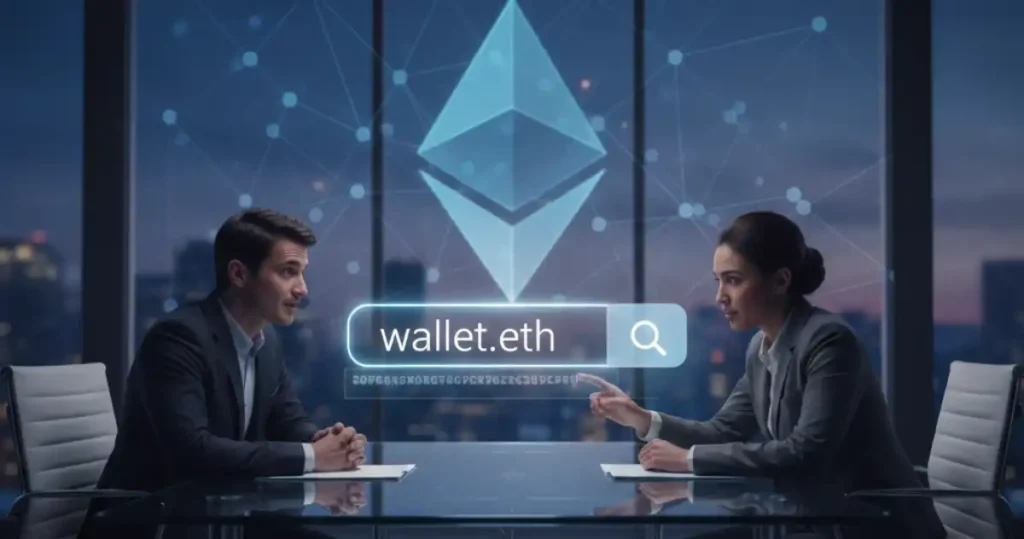
At its core, the Ethereum Name Service (ENS) is a decentralised, open-source naming system built on the Ethereum blockchain. Just as DNS translates complex IP addresses into easy-to-remember domain names like “https://www.google.com/search?q=google.com,” ENS converts long and intricate Ethereum addresses, cryptocurrency wallets, or IPFS (InterPlanetary File System) hashes into human-readable names ending in “.eth”.
For example, instead of using a complex address like 0x7a83B323F..., you can use a much simpler name like “ayse.eth” or “ali.eth” thanks to ENS. This makes cryptocurrency transfers and interactions with decentralised applications (dApps) as simple as sending an email. You no longer have to worry about copying and pasting long addresses or making a mistake when sending money to someone.





How Does ENS Work? A Three-Tiered Architecture
The ENS’s operational mechanism relies on a robust architecture composed of three main components: ENS Registries, Resolvers, and Domain Name Registrars.
1. ENS Registries: The heart of ENS is the ENS Registry, which is a smart contract. This smart contract records all ENS domain names and the corresponding resolver and owner for each name. The owner of a “.eth” name can use this smart contract to control their name’s settings. For instance, they can redirect the name to a different address or delegate its authority to someone else.
2. Resolvers: Similar to name servers in a DNS system, Resolvers are responsible for translating domain names into actual blockchain addresses, IPFS hashes, or other data. When you query an ENS resolver, it finds the 0x... address that matches a name like “ayse.eth” and provides you with this information. It’s akin to looking up a name in a phone book to find the corresponding number.
3. Domain Name Registrars: The Domain Name Registrars are smart contracts used to add domain names to ENS, allowing users to register new “.eth” domain names. The most commonly used registrar is the main ENS registrar, which lets users lease their desired domain names for a specific period (usually yearly). Domain owners control their names through these smart contracts and can extend the lease duration at any time.
This three-tiered structure guarantees the decentralised and censorship-resistant nature of ENS. No central authority can shut down or censor an ENS name because all data is stored publicly on the Ethereum blockchain.
Key Differences Between ENS and DNS
ENS is not merely a blockchain version of DNS; it differs significantly in its core philosophy and operation. Here are the most important distinctions that set ENS apart from DNS:
- Centralisation vs. Decentralisation: DNS is managed by central authorities like ICANN. This means that domain names can be easily seized or censored by these authorities. ENS, however, is completely decentralised on the Ethereum blockchain. No central authority can seize or shut down an ENS name. The domain name remains under the full control of the person who registered it.
- Security: DNS is vulnerable to attacks like “DNS Spoofing,” where attackers can redirect users to fraudulent websites via a fake DNS server. ENS, on the other hand, uses the cryptographically secure Ethereum blockchain. Every transaction is verified by the blockchain, making spoofing and similar attacks nearly impossible.
- Ownership of Name and Data: In DNS, even if you lease a domain name, your data and control belong to an intermediary company. With ENS, your “.eth” domain name is a non-fungible token (NFT) that you own. This means you have full ownership of your name and can use it, sell it, or trade it as you wish.
- Multiple Use Cases: While DNS is primarily used for websites, ENS has a much broader range of uses. ENS names can be used to represent cryptocurrency wallet addresses, decentralised applications (dApps), IPFS hashes, and even Web3 profiles. This provides the opportunity to unify your digital identity under a single, easy-to-remember name.
The Important Roles of ENS in the Web3 Ecosystem
The possibilities offered by ENS extend far beyond just a simple address-shortening service. As the Web3 ecosystem evolves, ENS has become a foundational infrastructure in several critical areas.
1. Simplifying Cryptocurrency Transfers
The most popular use case for ENS is converting complex Ethereum addresses into simple and memorable names. Now, to send someone Ether or another ERC-20 token, you simply need to type in “ayse.eth” instead of copying and pasting a long address. This minimises human error and makes cryptocurrencies much more practical for daily use.
2. Identity for Decentralised Websites (dApps)
Just as domain names serve as an identity for traditional websites, ENS names serve the same role for decentralised applications (dApps). When a dApp is hosted on a decentralised storage system like IPFS or Swarm, users don’t have to remember complex hashes to access the application. Instead, they can easily access the dApp using an ENS address like “uniswap.eth”.
3. A Singular and Portable Digital Identity
ENS offers the ability to link a single domain name to multiple addresses. For example, your “ayse.eth” name can be directed to both your Ethereum wallet address and your Bitcoin address simultaneously. This forms the hub of your Web3 identity. Instead of using different usernames on different platforms, you can manage all your digital assets, profiles, and interactions with a single ENS name. This is the first step towards creating a truly singular and portable digital identity.
4. Investment Vehicle as Crypto Domain Names
Just as early DNS domain names became valuable, rare and short ENS names have also evolved into an investment vehicle. Short and generic names like “pizza.eth” or “tesla.eth” can fetch thousands of dollars. This shows that ENS domain names are not just address shorteners, but also a form of digital asset and property.
How to Get an ENS Domain Name: A Step-by-Step Guide
Acquiring an ENS domain name is a very straightforward process. Here’s what you need to do:
1. Prepare Your Wallet: First, you will need a crypto wallet that can interact with the Ethereum blockchain (for example, MetaMask). Make sure you have enough Ethereum (ETH) in your wallet to cover the cost of domain registration.
2. Access the Official ENS App: Go to app.ens.domains in your browser. This is the official ENS management interface.
3. Search for a Domain Name: In the search bar on the homepage, type the domain name you want to register (e.g., “newname.eth”). The system will check if the name is available.
4. Start the Registration Process: If the name is available, select the registration duration (from 1 to 10 years) and then initiate the registration process. Your wallet will ask for the necessary amount of Ethereum for this transaction. This fee includes the annual registration fee and a one-time transaction (gas) fee.
5. Confirm the Transaction: After you confirm the transaction in your wallet, the domain name will now belong to you. You can use this domain name however you wish, link addresses, or transfer it to someone else.
A Look to the Future: The Evolution of ENS and Web3
ENS will continue to be one of the fundamental building blocks of Web3. In the future, as reliance on DNS decreases and the decentralised version of the internet evolves, ENS names will become the central hub for our digital identity and interactions.
ENS is not limited to just “.eth” either. The system’s architecture is flexible enough to provide naming services for other blockchains (for example, BNB Chain or Avalanche). This means that ENS could become influential in a much broader ecosystem in the future.
In conclusion, the Ethereum Name Service (ENS) is an indispensable tool for the decentralised future of the internet. By simplifying usage, increasing security, and giving users true ownership of their digital identity, this system plays a critical role in helping Web3 reach a wider audience. If you want to step into the digital future, acquiring an ENS domain name might just be one of the smartest moves you can make.


























Comments are closed.