



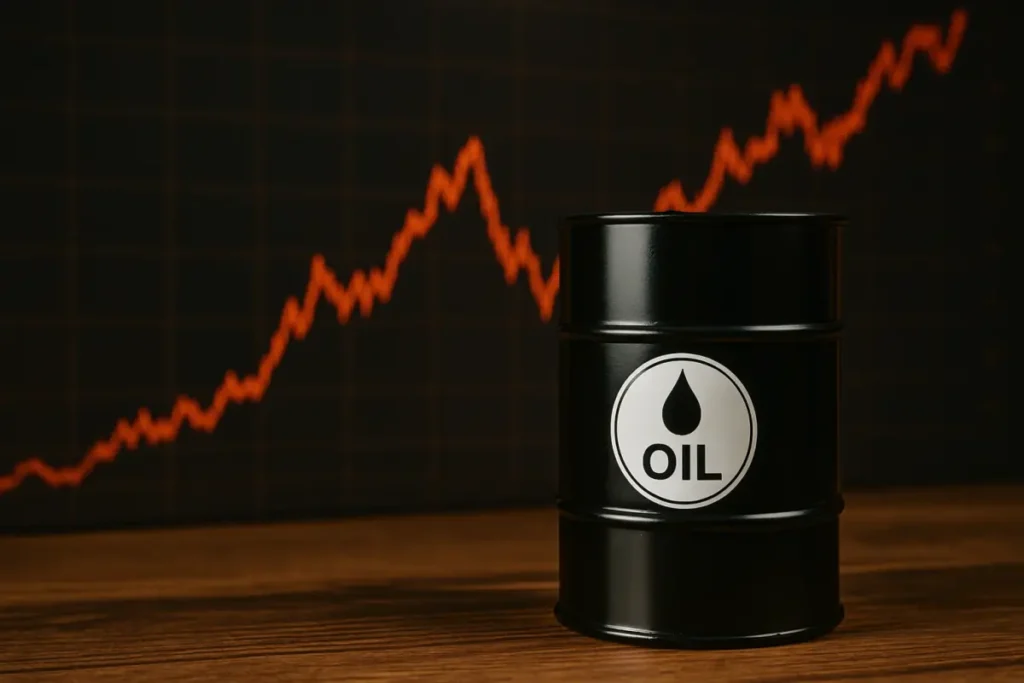

Oil prices have long served as a barometer for global economic health, impacting not only energy markets but also the broader financial landscape of nations. Among the most critical benchmarks in this context is Brent crude. But what exactly is Brent crude oil, and why have its prices been climbing in recent months?
Featured News Headlines
What Is Brent Crude Oil?
Brent crude refers to a type of light, sweet crude oil extracted from the North Sea. Known for its low sulfur content and high API gravity, it is relatively easy to refine, making it a preferred choice for many refineries across Europe, Africa, and the Middle East. Brent crude serves as a major pricing benchmark for two-thirds of the world’s internationally traded crude oil.
Alongside WTI (West Texas Intermediate) and Dubai/Oman crude, Brent is one of the three major oil benchmarks. Financial markets use it extensively in futures contracts and as a pricing reference, making it a central figure in the global energy trade.
Why Are Brent Crude Prices Rising?
1. Global Demand Surge
As global economies continue to recover and industrial activity accelerates, energy demand is rising significantly. The transportation sector, manufacturing industries, and agricultural operations are all consuming more energy. In particular, increased travel during the summer months and stronger economic growth in developing countries are putting upward pressure on Brent crude prices.





2. Supply Constraints
Oil price are equally influenced by supply levels. Production cuts by OPEC+ nations, alongside operational and geopolitical disruptions in key oil-producing countries, have tightened the market. This restricted supply environment is a key driver behind the upward trend in Brent crude prices.
3. Geopolitical Tensions
Many oil-producing regions are politically volatile, and any conflict or instability can create immediate price spikes. Recent tensions in the Middle East, particularly between Israel and Iran, have heightened fears of supply disruptions. As uncertainty grows, investors often shift their focus to oil as a safe-haven asset, further driving up prices.
4. The Strait of Hormuz Threat

One of the most critical flashpoints in global oil logistics is the Strait of Hormuz. Roughly one-third of the world’s seaborne oil passes through this narrow waterway. Any threat of its closure — particularly by Iran, as a retaliatory measure in escalating regional tensions — could send shockwaves through energy markets.
Should the Strait be blocked, the immediate consequence would be a severe disruption in global oil supply. Prices could skyrocket, triggering inflation, increasing transport and manufacturing costs, and potentially halting economic activity in oil-dependent sectors. A closure of the Strait of Hormuz could, in essence, provoke a global energy crisis.
5. Financial Markets and Speculation
Beyond physical supply and demand, Brent crude prices are also shaped by financial market dynamics. Speculators and hedge funds often react to geopolitical developments by taking long positions in oil futures. In times of uncertainty, these financial maneuvers amplify price movements. Oil is frequently viewed as a hedge against inflation and a strategic portfolio diversifier.
The Broader Impact of Rising Brent Prices
Rising Brent crude prices create ripple effects across global economies. Fuel prices increase, driving up logistics and transportation costs. These higher costs eventually reach consumers, leading to broader inflationary pressures. In response, central banks may consider raising interest rates, potentially slowing economic growth.
Energy-importing countries are particularly vulnerable. For nations like Turkey or India, higher oil prices mean increased budget deficits and pressure on foreign exchange reserves. These financial strains can affect overall economic stability and growth prospects.
Conclusion
Brent crude oil remains at the heart of global energy markets. Its price reflects a complex interplay of supply and demand dynamics, geopolitical developments, financial speculation, and seasonal factors. Perhaps most concerning is the growing risk of Iran closing the Strait of Hormuz — a scenario that could trigger a global oil shock.
Monitoring Brent crude prices is crucial for policymakers, investors, and everyday consumers alike. Developing robust energy strategies and investing in alternative sources will be essential in building more resilient economies capable of withstanding future market volatility.































Comments are closed.