




Featured News Headlines
Rheinmetall’s €6B Ukraine Orders Signal Start of Decade-Long European Defense Expansion
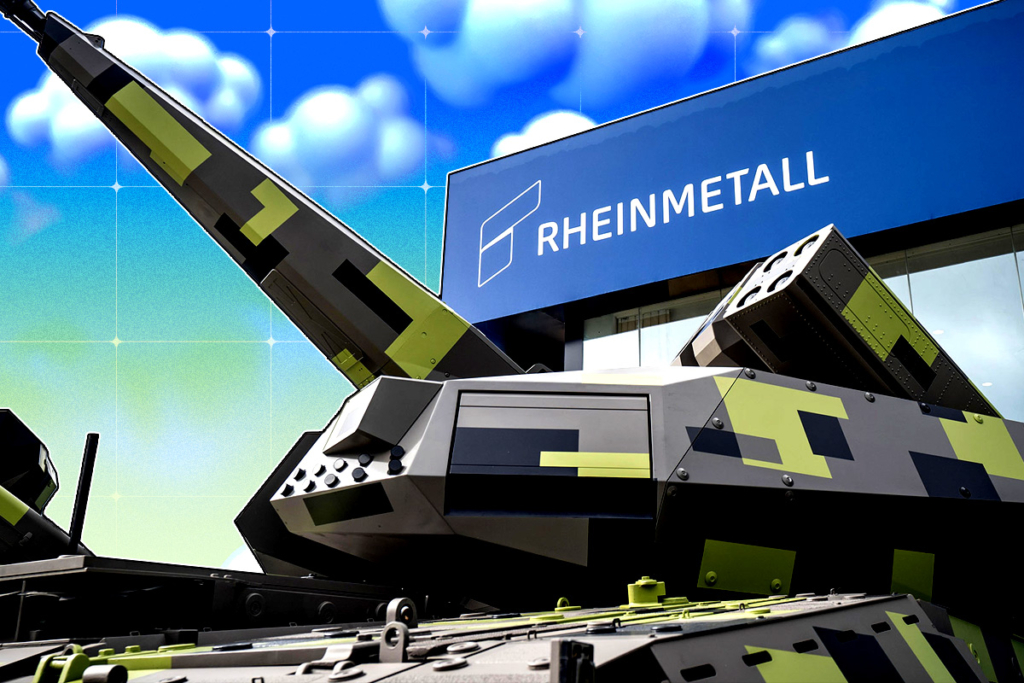
Rheinmetall – The European defense industry is experiencing unprecedented momentum as NATO members commit to dramatically increase military spending following years of underinvestment. This shift presents significant opportunities for established defense contractors like Rheinmetall, which has been positioning itself to capitalize on what industry insiders are calling the “NATO Super Cycle.”
The New NATO Spending Framework
NATO’s recent commitment to boost defense spending to 3.5% of GDP by 2035 represents a fundamental shift in European military priorities. Currently, most NATO members outside the United States spend approximately 1.3% of GDP on defense, totaling around $509 billion in 2024. The planned increase suggests a substantial expansion in defense budgets over the next decade.
Military equipment procurement, which includes development, procurement, and maintenance, typically accounts for about 20% of total defense spending. Of this equipment spending, approximately 40% is currently supplied by non-US companies, representing a $41 billion market for European and other international defense contractors.
European Defense Market Transformation
The spending increase is expected to create approximately 10% annual growth in defense expenditure across NATO countries. Industry analysts suggest that if non-US firms increase their market share to 60% during this period, the addressable market for European defense companies could grow by approximately 15% annually.




This growth trajectory is particularly significant for companies like Rheinmetall, which has been expanding its capabilities across multiple defense sectors. The company’s diversified portfolio includes vehicle systems, weapons and ammunition, electronic systems, and civilian power systems.
Rheinmetall’s Strategic Position
Founded in 1889, Rheinmetall has evolved from its origins as an ammunition and arms producer into a comprehensive defense technology company. The firm’s current structure emerged following its 1950 privatization and has expanded through strategic mergers and acquisitions.
The company operates through four main business segments:
- Vehicle Systems (tanks, armored personnel carriers, mobile artillery)
- Weapons & Ammunition (artillery, tank turrets, explosives)
- Electronic Systems (air defense, jet fighter components)
- Power Systems (civilian products division)
Impact of Ukraine Conflict
The ongoing conflict in Ukraine has already generated approximately €6 billion in new orders for Rheinmetall, significantly boosting the company’s order book. By 2024, the company’s backlog represented more than five years of revenue, demonstrating the immediate impact of increased European defense spending.
However, industry observers note that while Ukraine-related orders provided an initial boost, the longer-term German and NATO spending programs are expected to be significantly larger and more sustainable.
Joint Ventures and Expansion
Rheinmetall has been actively forming strategic partnerships to expand its market reach. Recent joint ventures include initiatives in Italy with potential vehicle and ammunition sales valued at €50 billion, and projects in the UK worth approximately $9 billion focused on artillery and munitions.
These partnerships reflect the company’s strategy of seeking new markets and technological solutions, building on its historical experience in adapting to changing defense requirements.
Production and Capacity Challenges
The rapid increase in defense spending presents both opportunities and challenges for European defense contractors. The primary constraint facing non-US defense companies is the time required to build production capacity and invest in research and development to meet NATO requirements.
Industry analysts point out that European and UK forces particularly need to expand capabilities in missiles, air defense, and aircraft systems – areas where US companies currently dominate. This creates opportunities for European firms to develop competitive alternatives and capture larger market shares.
Industry forecasts suggest that companies positioned to benefit from the NATO spending increase could experience earnings and cash flow growth exceeding 45% in the mid-2020s, before settling into more sustainable long-term growth rates around 20%.
The defense industry’s unique characteristics, including government funding for research and development and cost-plus contract structures, provide additional stability for companies operating in this sector. Many defense contracts include provisions covering R&D expenses, helping companies manage the investment required for technological advancement.
As European nations work to modernize their military capabilities after decades of reduced spending, established defense contractors with diversified portfolios and strong technological capabilities are positioned to benefit from this historic shift in defense priorities.





























Comments are closed.