



Featured News Headlines
What is a Utility Token?
The world of cryptocurrency and blockchain is constantly expanding, introducing new terms and concepts every day. Beyond popular cryptocurrencies like Bitcoin and Ethereum, digital assets called “tokens” have become a vital part of this ecosystem, each with unique functions. One such type is the Utility Token. So, what exactly is a utility token, and why is it so important? This article will break down the concept from its core, exploring its use cases and key distinctions in detail.
An Introduction to Utility Tokens: A Fundamental Definition
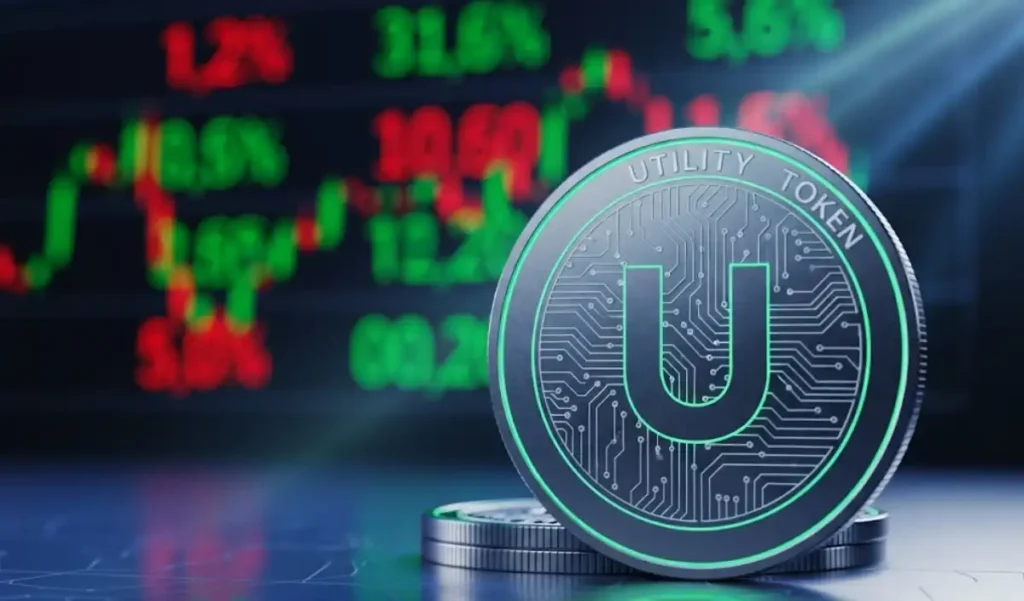
In the simplest terms, a utility token is a digital asset used to gain access to a specific service or product within a particular blockchain network, platform, or ecosystem. These tokens function as a “coupon” or “key” to use the services offered by a company or project. As the name suggests, their primary purpose is to provide a specific utility.
A utility token should be viewed not as an investment asset, but more as a native currency of a platform. Those who hold the token gain the right to use the platform’s features, services, or products. For example, a utility token for a file storage platform might be used to purchase storage space on that platform.
How Do Utility Tokens Work?
Utility tokens are typically created on a blockchain network, most commonly using the ERC-20 standard on the Ethereum blockchain. Using this standard allows tokens to be easily transferred between different platforms and supported by various wallets.





A project might launch its utility tokens through an Initial Coin Offering (ICO) or an Initial Exchange Offering (IEO), either as a primary source of income or to empower its ecosystem. The funds raised from these sales are used to develop and expand the project. In return, the individuals who purchase the tokens gain the right to access the project’s future services.
Use Cases and Examples of Utility Tokens
Utility tokens are used in a wide range of sectors and projects. Here are some common applications of these tokens:
- Access to Services: Many projects require users to use their native utility tokens to access the services offered on their platforms. For instance, a cloud storage service might ask users to pay with its own token to rent file storage space.
- Network Fees: Some blockchain networks collect transaction fees (gas fees) in their own utility tokens. This method is used to ensure the network’s security and sustainability.
- Discounts and Incentives: An e-commerce platform might offer discounts or special benefits to users who pay with its native token. This is a strategy to boost the platform’s own ecosystem.
- In-game Currency: In online games, utility tokens can be used for character upgrades, special items, or participation in in-game events. This gives players full control over their digital assets.
Example Projects:
- Filecoin (FIL): The Filecoin network is a decentralized storage network. Users use the FIL token to purchase storage space.
- Basic Attention Token (BAT): The Brave browser allows users to earn BAT tokens by watching ads. The earned tokens can be used to tip content creators or to access additional browser features.
Utility Tokens vs. Security Tokens: What’s the Difference?
These two concepts are often confused, but there are significant legal and functional differences between them.
| Feature | Utility Token | Security Token |
| Purpose | To provide access to a service or product. | To represent ownership of a company or equity. |
| Legal Status | Generally not considered a security. | Legally classified as a security and subject to regulations. |
| Expectation | Users expect to benefit from the token’s utility. | Investors expect the token’s value to appreciate and to make a profit. |
| Use Case | Native platform currency, service coupon. | A digitized form of a stock, bond, or real estate. |
This distinction determines how a project can launch its token and which legal regulations it must comply with. Utility tokens do not grant rights such as company ownership or profit shares. They simply serve a specific function.
The Future of Utility Tokens
Utility tokens serve as a crucial bridge, transforming the potential of blockchain technology into tangible services. With the growth of decentralized applications (dApps) and the web3 ecosystem, the use cases for these tokens will continue to expand. In the future, we are likely to encounter utility tokens in a variety of fields, from in-app point systems to access tickets for virtual events. These tokens are more than just digital assets; they are vital tools that play a critical role in the functioning of the digital economy.
However, it’s important to remember that utility tokens are not investment vehicles. You should always carefully research whether a token can truly deliver the utility it promises. As with anything in the crypto world, a well-informed approach is the most important step.