



Featured News Headlines
- 1 What is Terra Classic (LUNC)?
- 2 Definition and Technical Specifications of Terra Classic (LUNC)
- 3 Historical Background: From Collapse to Rebirth (The May 2022 Crisis)
- 4 Terra Classic (LUNC) and its New Mission: Efforts for Revival
- 5 How is Terra Classic (LUNC) Used and Where is it Traded?
- 6 Is LUNC an Opportunity or a Warning?
- 7 Terra Classic (LUNC) – The Trial of a Community Project
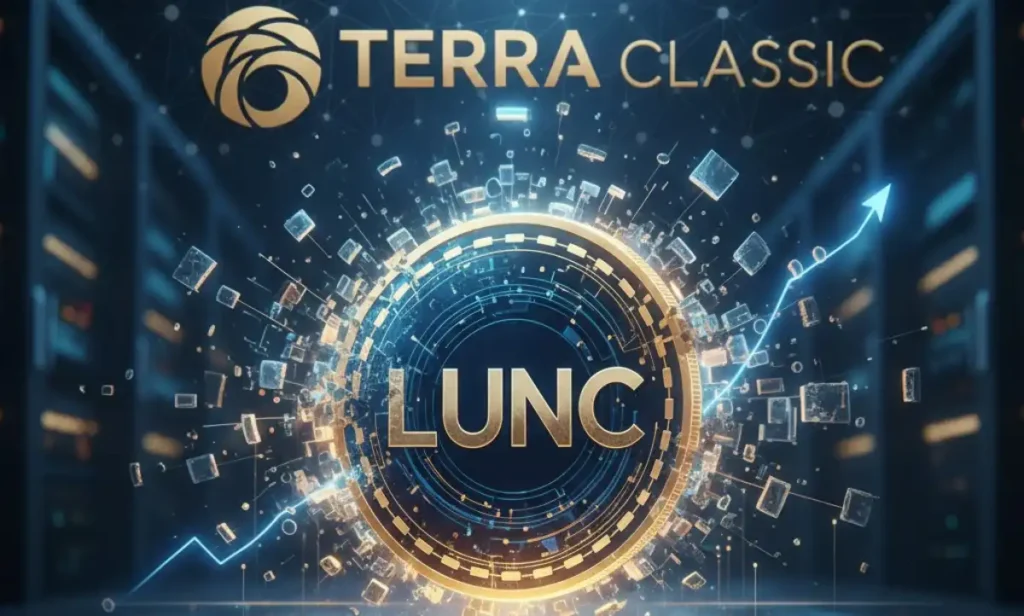
What is Terra Classic (LUNC)?
The world of cryptocurrency is an arena of dynamic, swift, and, at times, brutal change. One of the most striking stories in this arena in recent years was the collapse of the Terra ecosystem in May 2022, an event that sent shockwaves across global financial headlines. Once hailed as one of the brightest and most innovative projects, Terra (LUNA) and its algorithmic stablecoin, TerraUSD (UST), saw their values plummet to near zero in just a matter of days, marking one of the biggest crises in crypto history.
However, this collapse was not the end of everything. Following decisions by the community and the founders, the original Terra blockchain survived and continued its journey under the name Terra Classic, with its governance token rebranded as Luna Classic (LUNC).
So, what exactly is Terra Classic (LUNC)? What philosophy underpinned this name change? What does the “classic” version of a token, which once traded above $100, represent for investors today?
Definition and Technical Specifications of Terra Classic (LUNC)
Terra Classic (LUNC) is, essentially, the original Terra blockchain that existed before the hard fork in May 2022. While the network’s core functionality and architecture have largely remained the same, it now operates as a community-led structure striving to adapt to a new economic reality.




The Delegated Proof-of-Stake (DPoS) Consensus Mechanism
Terra Classic utilises the Delegated Proof-of-Stake (DPoS) algorithm for security and transaction validation.
- What is DPoS? It is an enhanced version of Proof-of-Stake. In this system, LUNC token holders delegate their votes to select “validators” who are responsible for confirming network transactions and creating new blocks.
- The Advantage: It offers high transaction throughput and lower energy consumption. Furthermore, network security increases with the amount of staked tokens. Users can earn passive income by staking their LUNC.
- LUNC’s Role: The LUNC token primarily functions as the governance token and the tool for securing the network within this ecosystem.
Governance and Community Focus
In the post-collapse era, the Terra Classic network has largely shifted away from the control of the centralised company, Terraform Labs, and has become a community-driven project. LUNC holders have the right to vote on critical issues concerning the network’s future, such as technical upgrades, burn mechanisms, and the utilisation of treasury funds. This community strength has been one of the most vital driving forces behind the project’s continued existence.
Historical Background: From Collapse to Rebirth (The May 2022 Crisis)
To understand Terra Classic, it is crucial to first grasp the catastrophe that unfolded in May 2022.
The Original Terra Vision: Algorithmic Stablecoin (UST)
Terra’s initial vision was to create algorithmic stablecoins pegged to fiat currencies (the most notable being TerraUSD – UST). To maintain the 1:1 parity with the US dollar, the protocol allowed users to swap UST for $1 worth of LUNA, and vice-versa.
- The Pegging Mechanism: When the demand for UST increased, people burned LUNA to mint new UST; when demand dropped, UST was burned, and LUNA was minted. This mechanism was designed to boost LUNA’s value and maintain UST’s stability.
The Chain of Disaster and the Hard Fork
In May 2022, partially due to adverse market conditions, UST lost its dollar peg. The algorithmic mechanism, in an attempt to restore the balance, began to mint an enormous amount of new LUNC tokens. This process of hyper-inflation sent LUNC’s supply into the billions, and eventually trillions, causing its price to collapse to near zero within hours.
Following this disaster, the community and Terraform Labs, led by founder Do Kwon, reached a fork in the road:
- The Original Chain: The original chain was left with the fallout of the UST and LUNC catastrophe and was renamed Terra Classic (LUNC).
- The New Chain: A decision was made to create an entirely new blockchain, free from the algorithmic stablecoin, and its native token was named Terra (LUNA – sometimes referred to as LUNA 2.0). This was implemented via a “hard fork.”
In summary, LUNC is the token of the original Terra blockchain founded in 2018. LUNA is the token of the new Terra 2.0 blockchain launched in 2022.
Terra Classic (LUNC) and its New Mission: Efforts for Revival
Terra Classic had to contend with a massive token supply and a severe loss of reputation after the collapse. However, the LUNC community has taken some radical steps to resurrect the token from the ashes.
The LUNC Token Burning Mechanism
In an effort to reduce the enormous token supply caused by the inflation—and thus potentially increase LUNC’s price—the community initiated an aggressive burning mechanism.
- The Goal: To drastically reduce the circulating supply of trillions of LUNC.
- How it Works: A small percentage (e.g., 1.2%) of LUNC is deducted from every transaction on the network (buys, sells, transfers, etc.). This deducted amount is then sent to “dead” wallets, which no one can access, effectively removing the tokens from circulation permanently.
- Exchange Support: Major crypto exchanges like Binance have also supported this effort by burning the LUNC collected from their own transaction fees.
Efforts to Re-peg
Although the original algorithmic stablecoin, TerraClassicUSD (USTC), lost its dollar peg, the community has been working on a mechanism to potentially restore a portion of USTC to its $1 peg. This is seen as a critical step to increase LUNC’s utility and re-establish confidence in the ecosystem.
Community Development and Upgrades
The Terra Classic community is working diligently to keep the project technically viable. Governance proposals are continually submitted and voted on to maintain the network’s infrastructure, fund development teams, and adapt the blockchain to modern standards. This demonstrates that LUNC is not merely a “dead project” but a chain with an active community.
How is Terra Classic (LUNC) Used and Where is it Traded?
LUNC’s current use cases and accessibility are shaped by the community-driven nature of the project.
Use Cases
- Staking and Security: LUNC holders contribute to network security by delegating their tokens to DPoS validators and, in return, earn staking rewards. This is a primary method for earning passive income.
- Governance: LUNC holders have the right to vote on all proposals that affect the future of the project. This provides the token with genuine utility.
- Transaction Fees: LUNC is used as the gas fee for transfers and smart contract interactions on the network.
Purchasing and Storage
Due to its volume and popularity, LUNC is still actively traded on many major cryptocurrency exchanges (Binance, Kraken, KuCoin, and various regional exchanges).
- Wallets: LUNC can be securely stored in wallets that support Cosmos-based blockchains (such as Terra Station or Trust Wallet).
- Staking: Most wallets allow users to easily delegate and stake their LUNC to validators.
Is LUNC an Opportunity or a Warning?
This section offers a professional perspective to help investors evaluate LUNC’s potential and risks.
Potential and Opportunities
- Community Strength: LUNC boasts one of the most dedicated and organised communities in the crypto space. This community is keeping the project alive through burn mechanisms and development proposals.
- Speculative Interest: Because of its low price and high circulating supply, LUNC remains an attractive target for speculative investors. A small price movement can potentially create significant percentage gains (though the reverse is also true).
- Brand Awareness: Despite the negative impact of the collapse, the Terra brand still has an extremely high level of recognition within the crypto ecosystem.
Risks and Challenges
- Inheritance of Hyper-Inflation (Excessive Supply): A supply in the trillions means that LUNC would need its market capitalisation to reach astronomical figures for its price to return to former levels ($1 and above). Regardless of how aggressive the burning process is, this may take many, many years.
- Reputation and Security Issues: The collapse of the algorithmic stablecoin exposed a fundamental flaw in the protocol’s design and remains a significant blemish on its crypto history. This reputation makes it challenging for new investors and institutional capital to trust the project.
- Competition and Development: The project faces intense competition from the new Terra (LUNA) and hundreds of other Layer-1 blockchains. Since a significant portion of the original development team moved to the new LUNA chain, the development speed and innovation potential on the Classic chain are limited.
Terra Classic (LUNC) – The Trial of a Community Project
What is Terra Classic (LUNC)? It is more than just a cryptocurrency; it is the bitter legacy of a once-great visionary project and the embodiment of a persistent community’s struggle for survival.
LUNC is the governance token of the original Terra blockchain, utilising the DPoS consensus mechanism. Grappling with the inheritance of massive inflation, the project is attempting to rebuild itself through aggressive, community-led burning mechanisms and efforts to re-peg USTC.
From a professional investor’s perspective, LUNC is a project that carries immense risks but remains viable due to its dedicated community and speculative momentum. The future of its price will largely depend on how much of the remaining massive supply can be burned and how long the community can technically support the chain.
Anyone considering an investment in LUNC must be aware that the project’s fundamental economic balances were permanently disrupted, and its current valuation is heavily reliant on community belief and speculation. This is one of the most compelling stories in the crypto world, where only time will tell whether it is a phoenix rising from the ashes or merely the shadow of the past.













Comments are closed.